The Silent Revolution: Redefining Home Server Environments
Introduction
The rise of home servers has been a game-changer for tech enthusiasts and professionals, offering unparalleled control over data, applications, and workflows. However, the cacophony of noise generated by these powerful machines often turns a productive workspace into a chaotic one. This article delves into the critical importance of noise reduction in home server setups, exploring the technological advancements, practical solutions, and broader implications for creating serene and efficient work environments.
Main Analysis: The Noise Conundrum
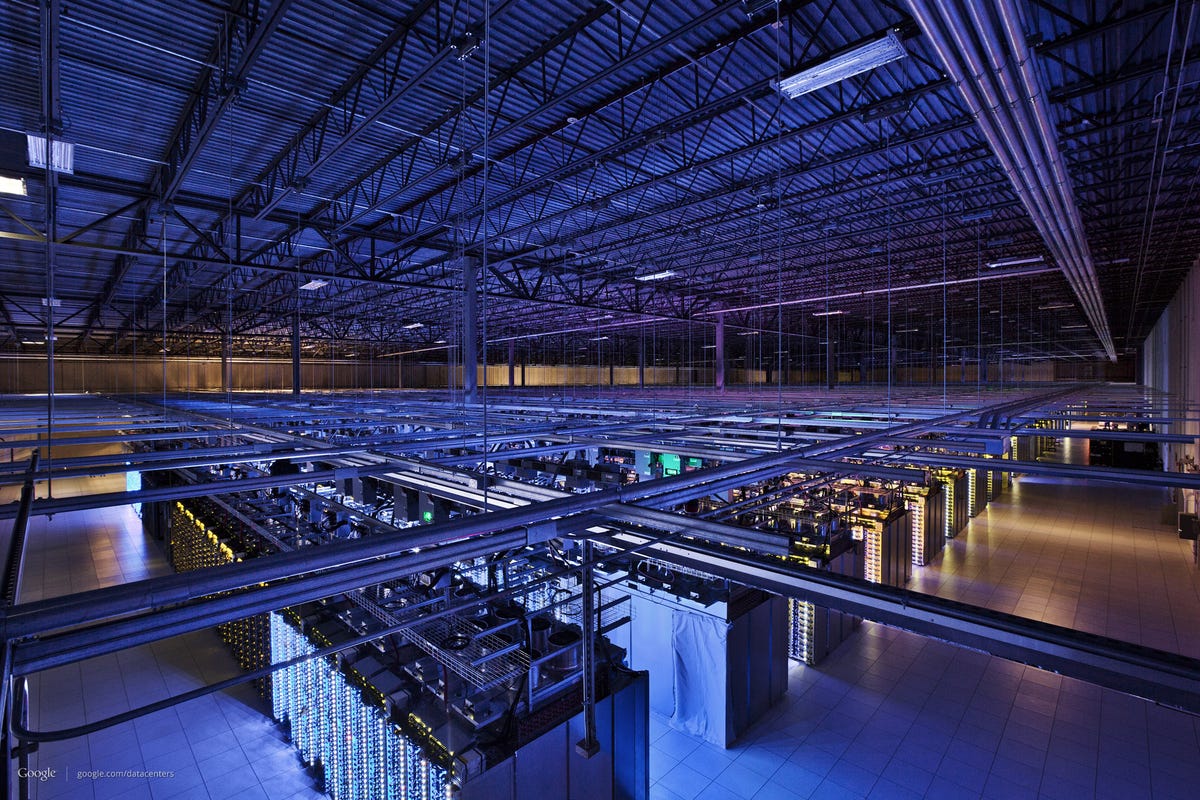
Home servers are designed to handle a wide array of tasks, from hosting websites to running complex simulations. However, the high-performance hardware required for these tasks generates substantial heat, necessitating robust cooling solutions. In a data center, this is managed through sophisticated cooling systems and ample airflow. Yet, in a home office, the environment is far less conducive to noise reduction. The constant hum and whirr of server fans can be particularly disruptive, making it difficult to concentrate on tasks that require focus and creativity.
The noise issue becomes particularly apparent during heavy compute tasks. Smaller fans, particularly those measuring 80mm, are notorious for their high-pitched noise. These fans are often used to pull air through HDD racks and other components, but their noise can quickly become insufferable. For instance, a user running a 24/7 Plex server might find the constant noise distracting, especially during late-night work sessions. The problem is exacerbated by the fact that many home servers are placed in close proximity to living and working spaces, making noise reduction a critical factor.
According to a study by the National Institute for Occupational Safety and Health (NIOSH), prolonged exposure to noise levels above 85 decibels can lead to hearing damage. While home servers typically operate below this threshold, the constant exposure to even lower noise levels can cause stress and reduce productivity. This is particularly relevant for professionals who rely on a quiet environment for tasks such as video editing, programming, or creative writing.
Examples: Real-World Solutions
Several real-world examples illustrate the practical applications of noise reduction in home server environments. One notable case is the use of Noctua fans, which are renowned for their quiet operation. These fans use advanced aerodynamic design and low-RPM motors to minimize noise while maintaining efficient cooling. For example, a user who replaced their 80mm fans with Noctua NF-A8 fans reported a significant reduction in noise levels, making their home office much more conducive to focused work.
Another effective solution is the use of liquid cooling systems. These systems circulate a coolant through a closed loop, dissipating heat more efficiently than traditional air cooling. This not only reduces noise but also improves the overall performance and longevity of the hardware. For instance, a user who installed a Corsair H100i liquid cooler in their home server reported a 30% reduction in noise levels and a noticeable improvement in system stability.
Additionally, soundproofing enclosures and acoustic panels can be used to mitigate noise. These solutions are particularly effective in home offices where the server is placed in close proximity to the workspace. For example, a user who installed a Fractal Design Define R6 case with sound-dampening materials reported a significant reduction in noise levels, making their home office much quieter and more productive.
Broader Implications: The Future of Home Server Environments
The quest for quiet home server environments has broader implications for the future of technology and workspace design. As remote work becomes increasingly prevalent, the need for quiet, efficient workspaces will only grow. This has led to a surge in demand for noise-reducing technologies and solutions, driving innovation in the tech industry.
For example, companies like Noctua and Corsair have seen a significant increase in demand for their noise-reducing products. This trend is likely to continue as more professionals seek to create optimal working environments. Additionally, the rise of smart home technologies has led to the development of intelligent cooling systems that can adjust fan speeds based on real-time temperature data, further reducing noise levels.
The broader implications also extend to the environmental impact of home servers. Efficient cooling solutions not only reduce noise but also improve energy efficiency, leading to lower electricity consumption and a smaller carbon footprint. This is particularly relevant in the context of global efforts to reduce energy consumption and combat climate change.
Conclusion
The transformation of noisy home servers into quiet, efficient workspaces is a critical aspect of modern technology and workspace design. By addressing the noise issue, professionals can create environments that are conducive to focus, creativity, and productivity. The use of quality components, thoughtful design, and innovative solutions can significantly enhance the overall user experience, making home servers an integral part of the modern workspace.
As the demand for quiet, efficient workspaces continues to grow, the tech industry is likely to see further advancements in noise-reducing technologies. This will not only benefit individual users but also contribute to broader environmental and societal goals. The silent revolution in home server environments is not just about reducing noise; it's about redefining the way we work and live in the digital age.