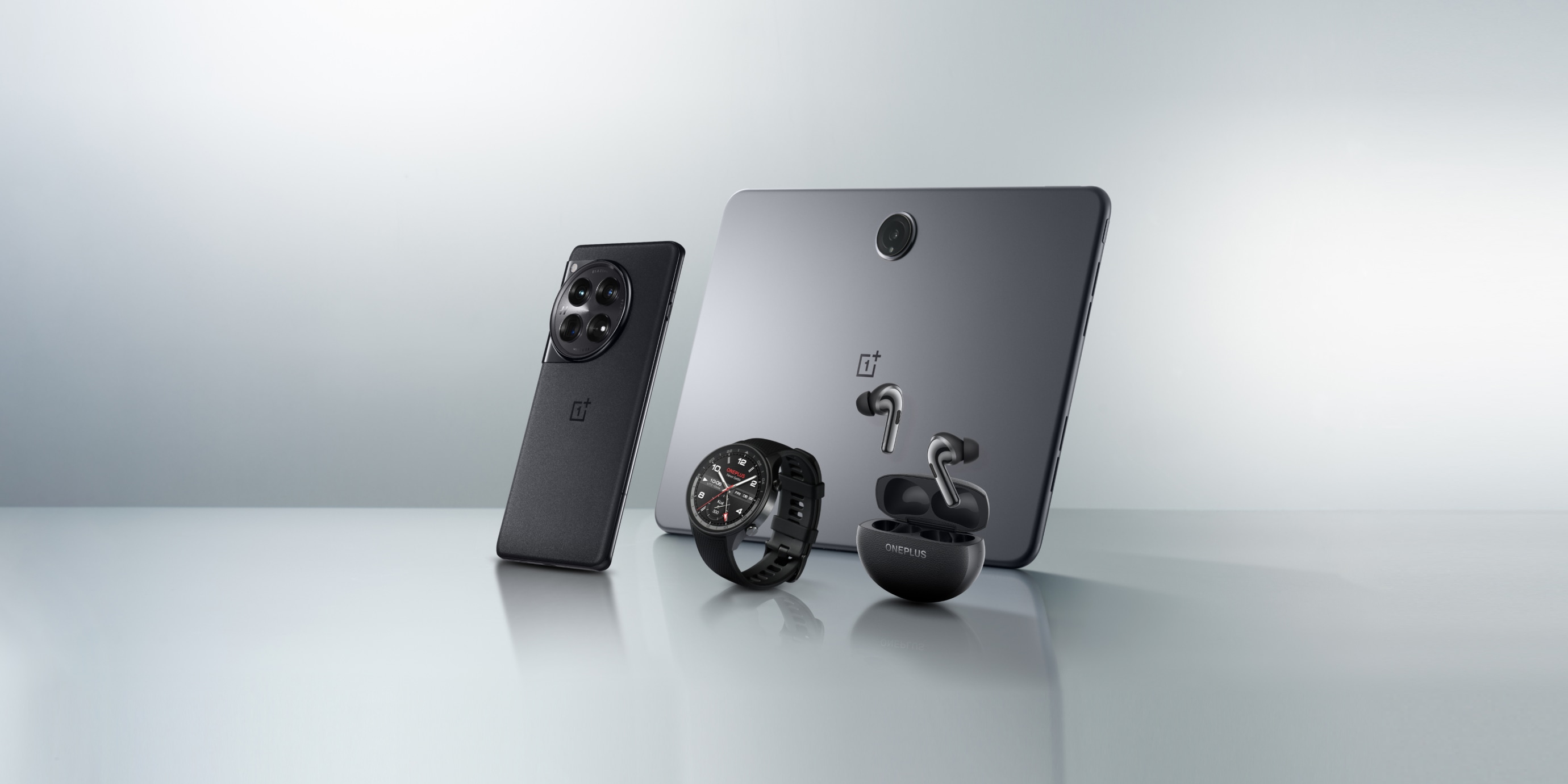
The Evolution of Smartphone Pricing: Global Trends and Regional Impacts
Introduction
The smartphone industry, a cornerstone of modern technology, is undergoing a profound transformation. Price increases announced by major brands like Oppo, OnePlus, and Vivo in the Chinese market have sparked a global conversation about the future of smartphone pricing and its implications for consumers and the industry at large. This analysis delves into the factors driving these price hikes, their potential global impact, and the strategic considerations for key markets, including North East India and the United States.
Main Analysis: The Dynamics of Smartphone Pricing
The recent price increases in the Chinese market are not isolated events but rather symptomatic of broader economic and industrial challenges. The global economic downturn, exacerbated by supply chain disruptions and rising production costs, has compelled manufacturers to reevaluate their pricing strategies. For instance, the flagship OnePlus 15 now starts at 4,499 yuan, a 500 yuan increase, while other models like the OnePlus Turbo and Ace 6 series have seen similar adjustments.
These price hikes, ranging from 300 to 500 yuan (approximately $40 to $75 USD), reflect a strategic shift aimed at maintaining profitability amidst escalating costs. The global semiconductor shortage, which has affected various industries, has been a significant contributor to these cost increases. According to a report by Gartner, the semiconductor shortage is expected to persist through 2023, further complicating the supply chain dynamics for smartphone manufacturers.
Examples: Regional Disparities and Market Strategies
China: The Epicenter of Price Hikes
China, being the world's largest smartphone market, has been the first to feel the impact of these price increases. The domestic market's response to these hikes will be crucial in shaping the global strategy of these brands. Historically, Chinese consumers have shown a willingness to pay premium prices for high-end devices, but the current economic climate may test this trend.
The Chinese market's importance is underscored by its sheer size and influence. According to the China Academy of Information and Communications Technology (CAICT), smartphone shipments in China reached 308.6 million units in 2022. This massive consumer base makes China a critical testing ground for new pricing strategies.
North East India: A Growing Market with Unique Challenges
North East India, a region with a growing appetite for smartphones, presents a unique set of challenges and opportunities. The region's economic dynamics and consumer behavior differ significantly from those in China. The average consumer in North East India is more price-sensitive, and the market is dominated by budget and mid-range devices.
According to a report by Counterpoint Research, the Indian smartphone market grew by 11% year-over-year in 2022, with budget and mid-range segments driving this growth. Brands like Oppo, OnePlus, and Vivo have made significant inroads into this market, but price increases could potentially alienate a segment of their customer base. The strategic challenge for these brands is to balance the need for profitability with the market's price sensitivity.
United States: A Market of Stability and Innovation
The United States, a mature market with a strong emphasis on innovation and brand loyalty, has so far been immune to these price hikes. The OnePlus 15, for example, remains priced at $899, unchanged from its launch price. This stability reflects the strategic importance of the U.S. market, where consumer expectations for high-end features and reliability are paramount.
The U.S. market's resilience is also a testament to the competitive landscape. Brands like Apple and Samsung dominate the high-end segment, making it crucial for players like OnePlus to maintain competitive pricing to retain market share. According to IDC, the U.S. smartphone market is expected to grow by 3.1% in 2023, driven by the demand for 5G devices and advanced features.
Conclusion: Navigating the Future of Smartphone Pricing
The recent price increases in the Chinese smartphone market are a harbinger of broader industry trends. As manufacturers grapple with rising costs and supply chain disruptions, strategic pricing adjustments become inevitable. The global impact of these changes will vary by region, with markets like North East India and the United States presenting unique challenges and opportunities.
For consumers, these price hikes underscore the need for informed decision-making. As the cost of high-end devices continues to rise, the value proposition of mid-range and budget devices becomes increasingly compelling. For the industry, the challenge lies in balancing profitability with consumer affordability, ensuring that innovation remains accessible to a broad audience.
As we look to the future, the smartphone industry's resilience and adaptability will be tested. The ability to navigate these challenges will determine the success of brands in an increasingly competitive and dynamic market.