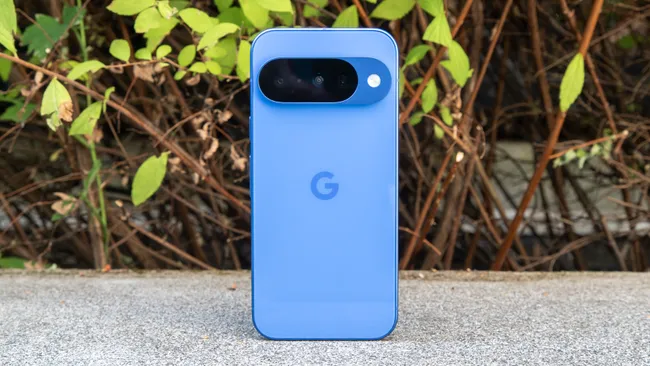
Google Pixel 10a: A Paradigm Shift in Smartphone Evolution
Introduction
The smartphone market is a battleground of innovation, where each new release is scrutinized for its potential to disrupt the status quo. Google's recent launch of the Pixel 10a, the latest in its A-series lineup, exemplifies this competitive spirit. While the Pixel 10a retains many familiar features from its predecessor, the Pixel 9a, it introduces several incremental upgrades that could have a significant impact on the market. This analysis delves into the broader implications of these upgrades, exploring how they reflect Google's strategic vision and their potential impact on the smartphone industry and consumer behavior.
Main Analysis
The Evolution of Design and Durability
The Pixel 10a maintains the minimalist design ethos of the Pixel 9a, but with subtle refinements that enhance both aesthetics and functionality. The device is slightly thicker and lighter, with a capsule-like camera module that sits flush with the body. This design choice not only improves the phone's ergonomics but also underscores Google's commitment to sustainability. The Pixel 10a is constructed with the highest percentage of recycled materials in any A-series device to date, a move that aligns with the growing consumer demand for eco-friendly products.
The durability of the Pixel 10a is another standout feature. Retaining the IP68 dust and water resistance rating of its predecessor, the Pixel 10a also boasts Corning Gorilla Glass 7i for display protection. This upgrade enhances the device's resilience against scratches and drops, addressing a common pain point for smartphone users. The 6.3-inch pOLED display with a 120Hz refresh rate remains unchanged, ensuring a smooth and vibrant viewing experience. These design and durability enhancements position the Pixel 10a as a reliable and sustainable choice for consumers, potentially influencing market trends towards more durable and eco-friendly devices.
Performance and AI: Balancing Power and Innovation
Under the hood, the Pixel 10a is powered by a new processor that balances power and efficiency. While the specifics of the processor have not been disclosed, it is expected to offer improved performance over the Pixel 9a. This upgrade is crucial in a market where consumers demand devices that can handle intensive tasks such as gaming, multimedia consumption, and multitasking without compromising battery life.
The Pixel 10a also introduces several new AI features that leverage Google's expertise in machine learning. These features include enhanced camera capabilities, improved voice recognition, and more intuitive user interfaces. For instance, the camera's AI algorithms can now recognize and adjust settings for different lighting conditions, resulting in better photo quality. Voice recognition has been improved to understand accents and dialects more accurately, making the device more accessible to a global audience.
These AI enhancements are not just about improving user experience; they also reflect Google's strategic focus on integrating AI into everyday devices. As AI becomes more prevalent in our daily lives, devices like the Pixel 10a that offer seamless AI integration will become increasingly attractive to consumers. This could drive a shift in the market towards devices that prioritize AI capabilities, influencing both consumer behavior and industry standards.
Sustainability and Market Trends
Google's commitment to sustainability is evident in the Pixel 10a's construction. The use of recycled materials is not just a marketing gimmick; it reflects a broader industry trend towards sustainability. As consumers become more environmentally conscious, there is a growing demand for products that minimize their environmental impact. The Pixel 10a's eco-friendly design could set a new benchmark for sustainability in the smartphone industry, encouraging other manufacturers to follow suit.
Moreover, the Pixel 10a's focus on durability and longevity aligns with the concept of 'slow tech.' In an era where planned obsolescence is a common practice, devices that are built to last can offer significant value to consumers. By prioritizing durability, Google is challenging the industry norm of frequent upgrades and encouraging a more sustainable approach to technology consumption.
Examples
Real-World Applications
The Pixel 10a's enhanced AI capabilities have practical applications that can improve daily life. For instance, the improved voice recognition can be particularly beneficial for users with disabilities, making the device more accessible. The AI-powered camera features can be useful for professionals such as photographers and journalists, who rely on high-quality images for their work.
In terms of sustainability, the Pixel 10a's eco-friendly design can have a tangible impact on reducing electronic waste. According to a report by the United Nations, e-waste is the fastest-growing waste stream in the world, with an estimated 50 million metric tons generated annually. Devices like the Pixel 10a, which are designed with sustainability in mind, can help mitigate this issue by reducing the need for frequent replacements.
Regional Impact
The Pixel 10a's launch could have a significant impact on regional markets, particularly in areas where sustainability and durability are key considerations for consumers. For example, in Europe, where environmental regulations are stringent, the Pixel 10a's eco-friendly design could resonate well with consumers. Similarly, in emerging markets where durability is a critical factor due to limited access to repair services, the Pixel 10a's robust construction could be a selling point.
In the United States, the Pixel 10a's AI features could appeal to tech-savvy consumers who value innovation and convenience. The device's improved performance and AI capabilities could also make it a popular choice among professionals who need reliable tools for work.
Conclusion
The Google Pixel 10a represents more than just an incremental upgrade; it signifies a strategic shift towards sustainability, durability, and AI integration in the smartphone industry. By prioritizing these aspects, Google is not only catering to current market demands but also shaping future trends. The Pixel 10a's eco-friendly design, robust construction, and advanced AI features set a new standard for smartphones, influencing both consumer behavior and industry practices.
As the smartphone market continues to evolve, devices like the Pixel 10a will play a crucial role in driving innovation and sustainability. By balancing familiarity with innovation, Google has created a device that offers practical benefits while aligning with broader environmental and technological trends. The Pixel 10a's impact extends beyond its technical specifications, reflecting a broader vision for the future of smartphones and technology consumption.