The Strategic Evolution of Smartphone Upgrades: Pixel 10a and Galaxy S26
Introduction
The smartphone industry is a dynamic landscape where technological advancements and consumer demands intersect. The recent launches of the Google Pixel 10a and the anticipated Galaxy S26 have reignited debates about the value of incremental upgrades. These devices, while not revolutionary, represent strategic moves by Google and Samsung to cater to specific market segments and maintain their competitive edge. This analysis explores the broader implications of these incremental upgrades, focusing on their practical applications and regional impact, particularly in North East India.
Main Analysis: The Strategy Behind Incremental Upgrades
Incremental upgrades in the smartphone market are often viewed with skepticism, as they may not introduce groundbreaking features. However, these upgrades serve a crucial strategic purpose for manufacturers. They allow companies to maintain a steady release cycle, keeping their brand relevant and meeting the diverse needs of their customer base. For Google and Samsung, the Pixel 10a and Galaxy S26 are not just about minor improvements but about sustaining market presence and customer loyalty.
The smartphone market is highly segmented, with different users having varying needs and budgets. Incremental upgrades cater to those who may not need the latest and greatest features but still want a reliable and up-to-date device. For instance, the Pixel 10a and Galaxy S26 target users who are upgrading from older models, offering them significant improvements in performance and features without the need for a complete overhaul.
Examples: Practical Applications and Regional Impact
Google Pixel 10a: Bridging the Gap
The Google Pixel 10a introduces several notable changes, including a new camera design, updated colors, a modem with satellite support, and enhanced cover glass with slightly smaller bezels. These features, while incremental, are significant for users upgrading from older models like the Pixel 4a, 5a, 6a, or even 7a. The new modem with satellite support is particularly relevant in regions like North East India, where connectivity can be challenging. This feature ensures that users remain connected even in remote areas, making the Pixel 10a a practical choice for those who rely on their smartphones for communication and navigation.
Moreover, the enhanced cover glass and slightly smaller bezels improve the device's durability and aesthetics, addressing the needs of users who prioritize both functionality and design. The Pixel 10a's incremental upgrades are not just about keeping up with the competition but about providing tangible benefits to users who may not be ready for a complete technological overhaul.
Samsung Galaxy S26: Performance and Longevity
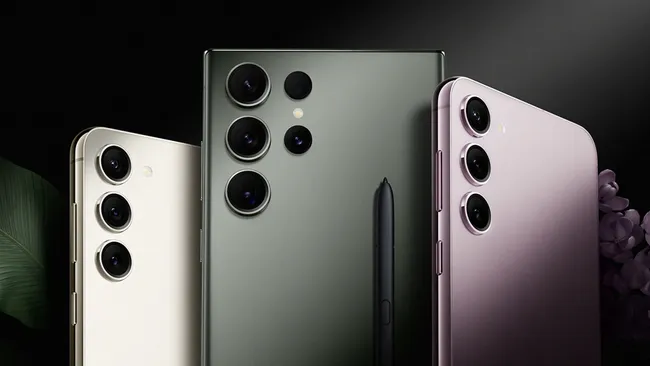
The Samsung Galaxy S26 series features a new chip and minor design tweaks, which may seem underwhelming at first glance. However, these upgrades are substantial for users looking to enhance their device's performance and longevity. The new chipset offers faster processing speeds and improved energy efficiency, making the Galaxy S26 a compelling choice for power users and those who rely on their smartphones for multitasking and heavy applications.
Extended software support is another critical aspect of the Galaxy S26. With longer software support, users can expect to receive regular updates and security patches, ensuring their device remains secure and up-to-date. This is particularly important in regions like North East India, where access to the latest technology and support services may be limited. The Galaxy S26's incremental upgrades focus on providing a reliable and long-lasting device, catering to users who prioritize performance and longevity over flashy new features.
Conclusion: The Broader Implications
The incremental upgrades in the Google Pixel 10a and Samsung Galaxy S26 are not just about minor improvements but about strategic market segmentation and catering to diverse user needs. These devices offer significant benefits to users upgrading from older models, providing them with enhanced performance, connectivity, and longevity. In regions like North East India, where connectivity and access to technology can be challenging, these incremental upgrades play a crucial role in bridging the digital divide and ensuring that users have access to reliable and up-to-date devices.
As the smartphone market continues to evolve, incremental upgrades will remain an essential strategy for manufacturers. By focusing on practical applications and regional impact, companies like Google and Samsung can maintain their competitive edge and cater to the diverse needs of their customer base. The Pixel 10a and Galaxy S26 are testaments to this strategy, offering users tangible benefits and ensuring that they remain connected and productive in an ever-changing digital landscape.