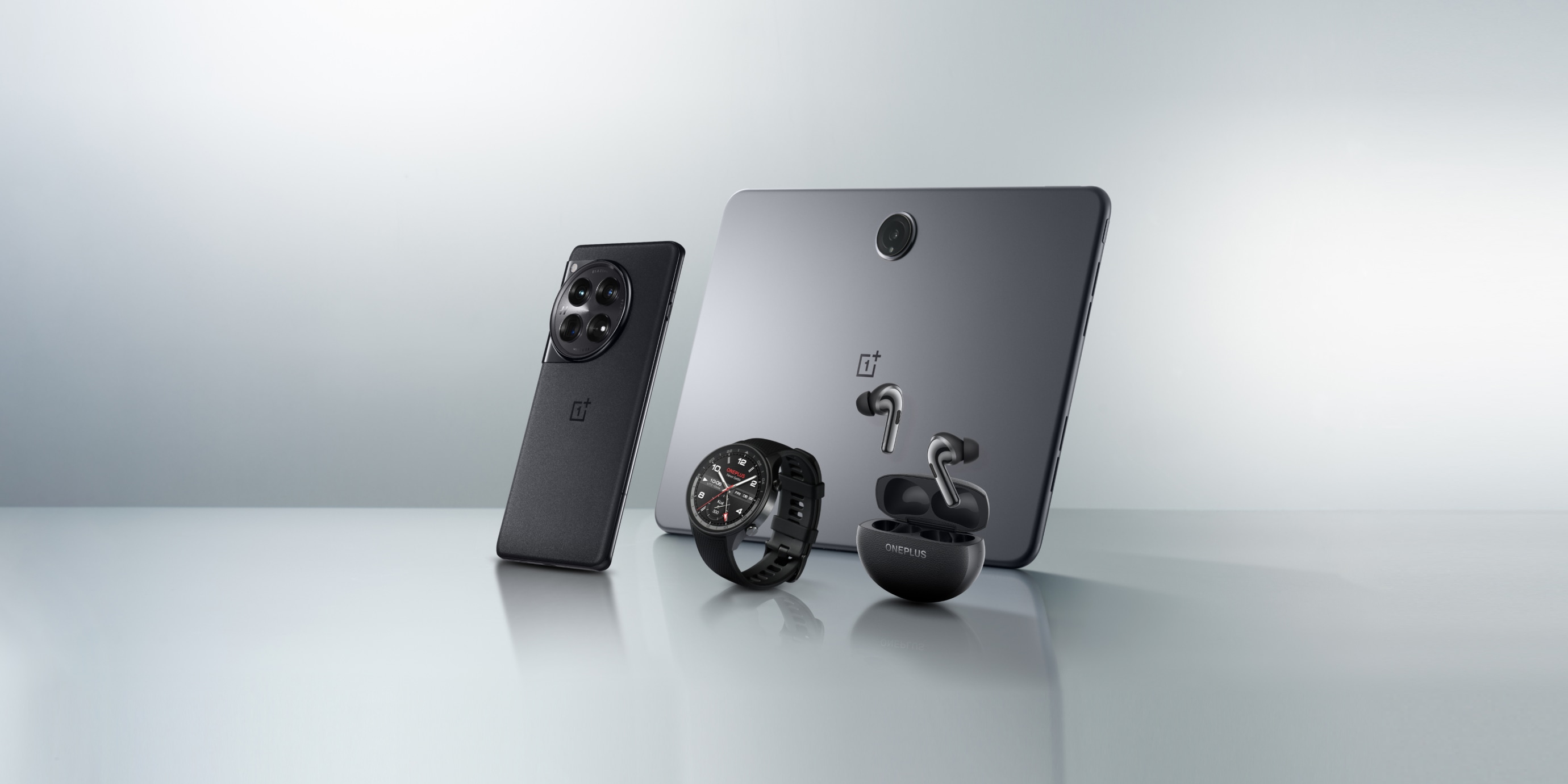
The Smartphone Paradox: Oppo's Global Expansion vs. OnePlus' Strategic Retreat
Analysis | The global smartphone landscape is witnessing a fascinating divergence in strategy among Chinese manufacturers. While Oppo makes its most aggressive push yet into premium international markets with the Find X9 Ultra, its sister brand OnePlus appears to be executing a calculated retreat from key Western markets. This contrasting approach reveals deeper industry currents: the intensifying battle for premium market share, the challenges of maintaining dual-brand strategies, and the shifting priorities of BBK Electronics' portfolio management.
The Premium Smartphone Gambit: Why Oppo is Betting Big on Global Expansion
1. The Find X9 Ultra as a Strategic Inflection Point
Oppo's decision to launch its Find X9 Ultra globally represents more than just a product release—it's a fundamental shift in the company's international strategy. Historically, Oppo has maintained a cautious approach to premium segment expansion outside China, focusing primarily on mid-range devices in markets like Europe and Southeast Asia. The Find X9 Ultra changes this calculus entirely.
Market Context: Premium smartphone segment (devices priced above $800) grew by 12% YoY in 2023 despite overall market contraction of 3.2% (Counterpoint Research). Apple dominates with 75% share, followed by Samsung at 16%. Chinese brands collectively hold just 9% of this lucrative segment.
Three key factors drive this strategic pivot:
- Saturation in Domestic Market: China's smartphone market contracted by 7% in 2023 (IDC), with premium segment growth stagnating at 1.2%. The average selling price in China ($450) is now higher than global averages ($402), creating pressure to seek growth abroad.
- Technology Leadership Narrative: The Find X9 Ultra's periscope telephoto camera with 1-inch sensor (developed in partnership with Sony) and custom MariSilicon Y chip represents Oppo's attempt to establish imaging leadership. This follows Huawei's successful premium positioning through camera technology before US sanctions.
- Portfolio Rationalization: With OnePlus potentially retreating from Western markets, Oppo needs to fill the premium void in BBK Electronics' global portfolio. The Find X9 Ultra's global launch suggests a consolidation of premium aspirations under the Oppo brand.
2. The Manufacturing and Supply Chain Advantage
Oppo's global push benefits from China's maturing smartphone supply chain ecosystem. The company's production facilities in India (Greater Noida plant with 100 million unit capacity) and Vietnam (Bac Ninh province) provide critical advantages:
Case Study: Oppo's India Strategy
Oppo has invested $7 billion in India since 2014, making it the largest Chinese investor in the country's electronics sector. The Greater Noida plant now exports to 12 countries, with 70% of production for domestic consumption. This local manufacturing capability reduces exposure to China's export restrictions and tariff barriers in key markets.
Regulatory Benefit: Under India's PLI scheme, Oppo received ₹950 crore ($114 million) in incentives in 2023 for exceeding production targets, reducing effective manufacturing costs by 4-6%.
The Find X9 Ultra's global launch also coincides with improvements in Oppo's after-sales service network. The company has expanded its service centers from 1,200 in 2022 to 2,100 in 2024 across 40 countries, addressing a key weakness that previously hindered premium positioning.
OnePlus' Calculated Retreat: Strategic Consolidation or Market Failure?
1. The Numbers Behind the Retreat
Contrasting with Oppo's expansion, OnePlus appears to be executing a strategic withdrawal from key Western markets. Industry sources indicate:
- US market share fell from 2.1% in 2021 to 0.8% in 2023 (Counterpoint)
- UK sales declined 42% YoY in Q4 2023 (Kantar)
- European operations reduced from 12 countries to 7 in 2024
- Marketing spend in North America cut by 68% since 2022
Financial Context: OnePlus' operating margin fell from 8.2% in 2021 to 3.1% in 2023, while R&D expenditure as percentage of revenue dropped from 12% to 7.8% in the same period. The brand's "Never Settle" positioning became increasingly difficult to maintain against Apple and Samsung's marketing dominance.
2. Three Possible Strategic Rationales
This retreat likely stems from three interconnected factors:
A. Portfolio Overlap with Oppo: Since the 2021 integration under BBK Electronics, OnePlus and Oppo have shared R&D resources and supply chains. With Oppo pushing into premium segments, OnePlus' value proposition has become increasingly redundant. The Find X9 Ultra's global launch makes this overlap particularly acute in the $800+ price range.
B. Changing Consumer Perceptions: OnePlus' early success came from its "flagship killer" positioning. However, as average selling prices increased (from $450 in 2018 to $720 in 2023), the brand lost its core value proposition. Consumer surveys in 2023 showed only 32% of OnePlus users would recommend the brand to others, down from 78% in 2019 (YouGov).
C. Regulatory and Geopolitical Pressures: OnePlus faces growing scrutiny in Western markets:
- US FCC restrictions on Chinese telecom equipment (2023) created supply chain complications
- UK's National Cyber Security Centre issued guidelines in 2023 advising against Chinese-manufactured devices in sensitive government roles
- India's 2023 import restrictions on Chinese smartphones below ₹12,000 ($145) forced portfolio adjustments
3. The Regional Impact: Northeast India's Smartphone Dilemma
For consumers in Northeast India, these strategic shifts create particular challenges. OnePlus had established strong brand loyalty in the region, accounting for 18% of premium smartphone sales in 2022 (TechArc). The potential retreat leaves a significant gap:
- Pricing Pressure: With OnePlus reducing presence, consumers may face fewer options in the ₹40,000-₹60,000 ($480-$720) range where the brand was strongest
- Service Network Concerns: OnePlus had established 12 service centers across Northeast India—twice the density of other brands. Reduced operations could increase repair turnaround times by 30-40%
- Resale Value Impact: OnePlus devices historically retained 60% of value after 12 months (Cashify data). With uncertain brand future, resale values may drop by 15-20%
The region's consumers now face a choice between:
- Oppo's Find series (with limited brand equity in Northeast India)
- Samsung's Galaxy S series (25-30% price premium)
- Emerging brands like Nothing or IQOO (unproven service networks)
The Broader Industry Implications: What This Means for Global Smartphone Competition
1. The Consolidation of Chinese Smartphone Brands
Oppo and OnePlus' divergent strategies reflect a broader consolidation trend among Chinese smartphone manufacturers. The number of active Chinese smartphone brands in international markets has declined from 18 in 2018 to 11 in 2024 (Canalys). This consolidation takes three main forms:
| Consolidation Type | Examples | Market Impact |
|---|---|---|
| Portfolio Rationalization | OnePlus retreat, Oppo expansion Huawei focusing on foldables only |
Reduced competition in mid-premium segments Stronger focus on profitable niches |
| Supply Chain Integration | BBK Electronics (Oppo/OnePlus/Realme) Transsion (Tecno/Infinix/Itel) |
Economies of scale in components Faster technology transfer between brands |
| Market Exit | ZTE (US exit in 2020) LeEco (global exit in 2019) |
Reduced price competition Market share concentration |
2. The Premium Segment Paradox
The contrasting strategies highlight a fundamental paradox in the premium smartphone market:
The Premium Segment Economics
While premium devices (above $800) account for only 22% of global unit sales, they generate 55% of industry profits (Counterpoint, 2023). However, the cost of competing in this segment has risen dramatically:
- R&D Costs: Developing flagship chips (like Oppo's MariSilicon) requires $2-3 billion annual investment
- Marketing Spend: Apple spends $5.5 billion annually on marketing—more than the total revenue of most Android competitors
- Retail Margins: Premium devices require 15-20% channel margins vs. 8-12% for mid-range
- Service Expectations: Premium buyers expect 24-hour repair turnaround and 4+ years of software support
Oppo's expansion suggests confidence in its ability to meet these requirements, while OnePlus' retreat indicates recognition of the unsustainable economics for a niche brand.
3. The Geopolitical Factor: China's Tech Expansion Dilemma
These strategic shifts occur against a backdrop of increasing geopolitical tensions. The smartphone industry has become a proxy for broader tech competition:
- US Restrictions: 2023 executive order blocked Chinese telecom equipment in US infrastructure, creating supply chain uncertainties
- EU Scrutiny: European Commission's 2024 "de-risking" strategy includes potential restrictions on Chinese 5G components
- India's Balancing Act: While courting Chinese manufacturing investment ($27 billion since 2020), India maintains 20% import tariffs on Chinese smartphones
Trade Data Insight: Chinese smartphone exports to developed markets fell 18% in 2023, while exports to emerging markets (Southeast Asia, Latin America, Africa) grew by 22%. This suggests a strategic pivot toward less politically sensitive markets.
Consumer and Market Outlook: What Comes Next?
1. The Short-Term Market Dynamics (2024-2025)
Several immediate consequences will shape the smartphone landscape:
- Pricing Pressure: With OnePlus reducing competition, Samsung and Apple may face less pressure to offer aggressive trade-in deals or bundle offers
- Innovation Focus: Oppo's Find X9 Ultra suggests Chinese brands will compete on camera and foldable technology rather than raw processing power
- Channel Consolidation: Retailers may reduce shelf space for Chinese brands, with Carphone Warehouse (UK) already reducing Chinese brand allocations from 40% to 25% of floor space
2. The Long-Term Industry Trajectory
Three structural trends will likely emerge:
- Dual-Brand Strategy Decline: The OnePlus-Oppo experience suggests multi-brand strategies become unsustainable as markets mature. Expect further consolidation among BBK Electronics' portfolio (which also includes Realme and Vivo).
- Regional Specialization: Brands will increasingly tailor strategies by region:
- Developed markets: Focus on premium segments with strong service networks
- Emerging markets: Aggressive pricing and fintech bundling (e.g., Oppo's partnership with Paytm in India)
- China: Hyper-competition on specifications and rapid iteration
- Ecosystem Competition: With hardware differentiation becoming harder, brands will compete on ecosystems. Oppo's 2024 investments in ColorOS-IoT integration (connecting 350+ device types) suggest this will be the next battleground.