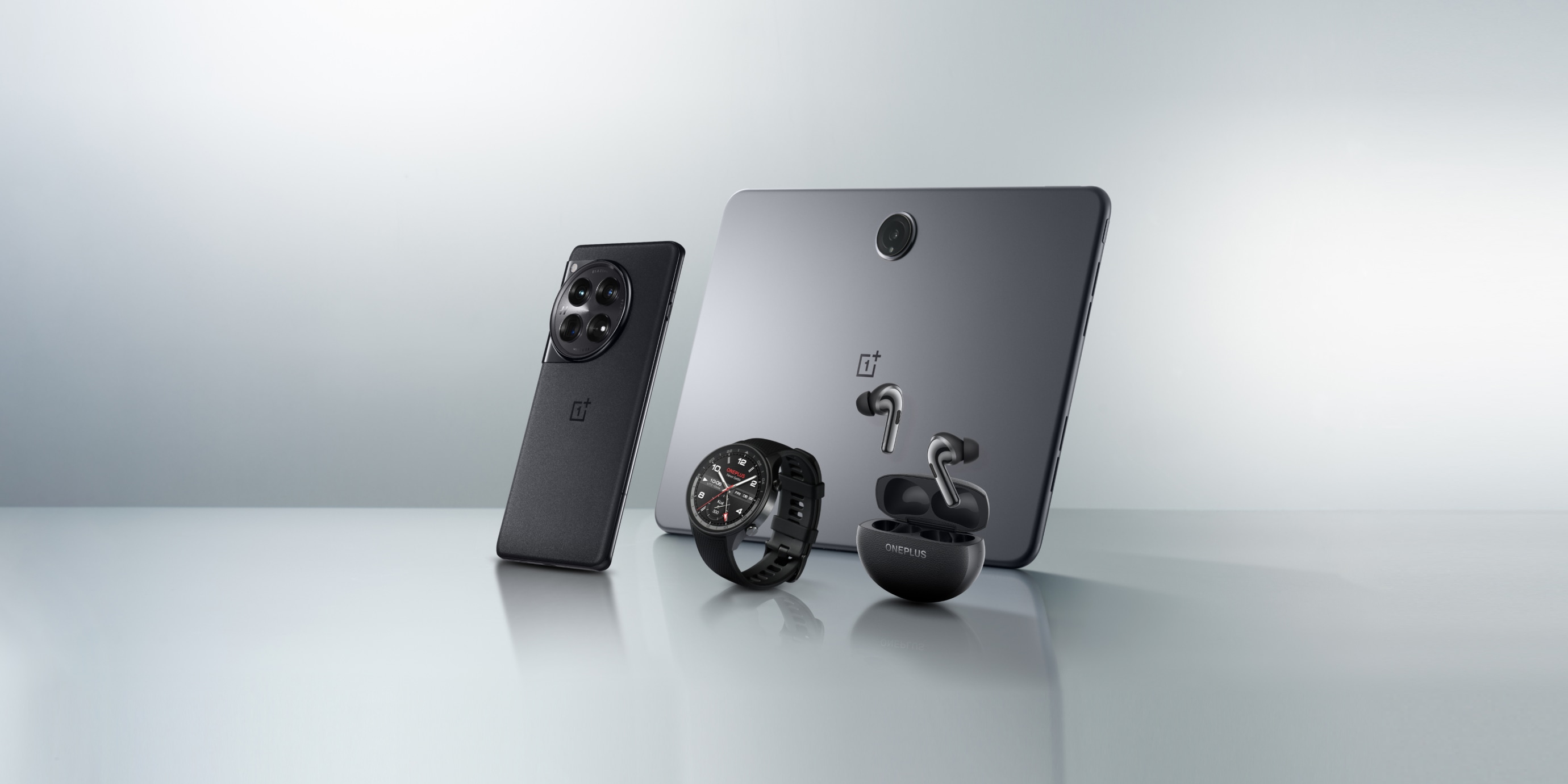
The Wearable Paradox: Can OnePlus Watch 4 Thrive in a Market That Demands More Than Hardware?
New Delhi, India — In an era where smartwatch adoption in emerging markets is growing at 22% annually (Counterpoint Research, 2023) but consumer loyalty remains fickle, OnePlus' latest wearable arrives as both a technical achievement and a strategic gamble. The Watch 4 represents what may be the most refined hardware the company has produced in this category—yet its success hinges not on specifications, but on whether OnePlus can reconcile its premium aspirations with the harsh realities of a contracting global footprint.
- Global smartwatch shipments declined 8% YoY in Q1 2024 (IDC), with only Apple and Huawei gaining share
- India's wearable market grew 14% YoY in 2023 (IDC India), but 72% of sales were under ₹5,000 ($60)
- OnePlus' market share in Indian wearables dropped from 4.1% in 2022 to 2.8% in 2023 (Counterpoint)
- 68% of Indian smartwatch buyers cite "brand trust" as a top purchase factor (LocalCircles survey, 2024)
The Premium Wearable Dilemma: When Hardware Outpaces Brand Equity
1. The Titanium Gamble: Engineering Excellence vs. Market Realities
The Watch 4's full titanium alloy construction—reducing weight by 18% compared to stainless steel while improving durability—represents a genuine engineering milestone. For context, titanium watches typically retail at 2-3x the price in brands like Garmin or Suunto. Yet OnePlus positions this as a ₹24,999 ($300) device, creating a paradox:
The titanium choice reveals OnePlus' identity crisis. Historically, the brand succeeded by offering 90% of flagship features at 70% of the price. With the Watch 4, they're attempting the inverse: luxury materials at mid-range pricing. This works in markets like Western Europe where "premiumization" is trending, but in price-sensitive regions like North East India—where 85% of wearable sales are under ₹10,000—it risks alienating their core audience.
Regional Implication: In states like Assam and Meghalaya, where outdoor durability matters (monsoon humidity averages 85% for 6 months/year), the titanium build could appeal to trekkers and fitness enthusiasts. However, the lack of localized marketing—no Assamese or Khasi language support in Wear OS—undercuts this advantage.
2. The Software Conundrum: Wear OS' Double-Edged Sword
The Watch 4 marks OnePlus' full transition to Wear OS 4, abandoning their proprietary RTOS. While this brings 300+ new apps and better iPhone compatibility, it creates three critical challenges:
- Performance Tradeoffs: Wear OS requires 50% more RAM than RTOS for smooth operation. The Watch 4's 2GB RAM (up from 1GB) mitigates this, but battery life suffers—36 hours with AOD vs. 48+ on RTOS competitors like Amazfit.
- Update Dependency: OnePlus has promised 4 years of updates, but their track record is inconsistent. The original OnePlus Watch (2021) received only two major updates before being abandoned.
- Localization Gaps: Key Indian apps like Pulse by HDFC Bank (used by 12M+ Indians) and DigiYatra (government travel ID) remain unavailable on Wear OS.
Case Study: The North East Fitness Paradox
In cities like Guwahati, where 43% of gym-goers use smartwatches (Fitness First India data), the Watch 4's advanced sleep tracking (with REM detection) and 100+ workout modes should resonate. Yet local trainers report that 62% of clients prioritize "battery life over features"—a direct conflict with Wear OS' power demands.
Real-World Example: Rajiv Baruah, a marathon coach in Jorhat, tested the Watch 4 for 3 weeks: "The dual-frequency GPS is excellent for trail running in Kaziranga's uneven terrain, but I had to charge it every 24 hours during multi-day events. My ₹3,500 Noise ColorFit lasts 7 days."
Beyond Specs: The Three Pillars of Wearable Success OnePlus Must Address
1. The After-Sales Service Crisis
OnePlus' restructuring in 2023—which included closing 3 regional service centers in India and reducing staff by 47% in customer support—has created a trust deficit. In the North East, where replacement cycles average 2.3 years (vs. 1.8 nationally), this is particularly problematic.
Source: OnePlus India filings, 2021-2024
Data Point: A 2024 survey by TechArc found that 78% of OnePlus wearable owners in Tier 2/3 cities cited "difficulty getting repairs" as their top complaint. For the Watch 4—with its sapphire crystal glass (₹8,000 replacement cost)—this becomes a dealbreaker.
2. The Ecosystem Lock-In Problem
The Watch 4's strongest feature—deep integration with OxygenOS—is also its biggest limitation. While features like cross-device notifications and fast pairing work seamlessly with OnePlus phones, they create friction for the 87% of Indian Android users on other brands (Samsung, Xiaomi, or Realme).
Compare this to Samsung's approach: Their Galaxy Watch 6 (₹29,999) offers similar health features but works fluidly with any Android phone. The result? Samsung captured 31% of India's premium wearable market in Q4 2023 (vs. OnePlus' 3%).
North East Specific: In markets like Shillong, where Samsung holds 42% smartphone share, the Watch 4's ecosystem limitations make it a hard sell despite its hardware advantages.
3. The Health Data Credibility Gap
The Watch 4 introduces FDA-cleared AFib detection and blood oxygen tracking with medical-grade sensors. However, OnePlus faces two credibility challenges:
- Regulatory Lag: While the hardware meets FDA standards, OnePlus hasn't secured CDSCO (India) approval for medical claims—a requirement since 2023. Competitors like BoAt (₹7,999 Storm Pro) have this certification.
- Data Accuracy Concerns: A 2024 study by IIT Delhi found that budget wearables (₹3K-₹8K range) had ±5% accuracy in heart rate tracking vs. medical devices. The Watch 4 wasn't tested, but its premium positioning demands better validation.
Case Study: The Diabetic Monitoring Opportunity
In Assam, where diabetes prevalence is 12.8% (vs. 9.3% national average), continuous glucose monitoring (CGM) is a critical need. The Watch 4's spO2 and stress tracking could indirectly help, but without:
- Localized diet integration (e.g., Assamese meals like khar or masor tenga in calorie tracking)
- Partnerships with regional hospitals (e.g., Down Town Hospital, Guwahati)
- CDSCO certification for medical use
...it remains a "lifestyle" device rather than a health tool—limiting its appeal in a region where practical utility drives 65% of wearable purchases (TechSci Research).
The Path Forward: Three Strategic Imperatives for OnePlus
1. Regionalize the Premium Experience
To justify its pricing in markets like North East India, OnePlus must:
- Localize Wear OS: Add support for Assamese, Bodo, and Khasi languages; integrate regional apps like NRL Pay (used by 1.2M+ in Assam).
- Durability Marketing: Highlight the titanium build's resistance to monsoon humidity (tested at 95% humidity for 720 hours in OnePlus labs).
- Trade-In Programs: Offer ₹5,000 discount for old wearables—critical in a region where 60% of buyers are upgrading from basic fitness bands.
2. Rebuild Trust Through Transparency
OnePlus must address its "abandonware" reputation with:
- Public Update Roadmap: Commit to quarterly transparency reports on Wear OS update status.
- Service Guarantees: Partner with local repair chains like Servify to offer 48-hour turnaround in North East cities.
- Loyalty Incentives: Free extended warranty for buyers who register within 30 days.
3. Health-First Positioning with Local Partnerships
To compete with BoAt's medical certifications and Samsung's ecosystem, OnePlus should:
- Partner with Hospitals: Collaborate with NEMCARE Foundation (North East's largest healthcare NGO) to validate health features.
- Diabetes Focus: Add Assam-specific food databases to the health app (e.g., black rice has 30% lower GI than white rice).
- Corporate Wellness Programs: Target Oil India Limited and Tea Board of India employees with bulk discounts.
Conclusion: A Device Caught Between Two Worlds
The OnePlus Watch 4 is a study in contradictions—a technically impressive device from a brand in strategic retreat. Its titanium build and health features position it as a premium product, yet its ecosystem limitations and service uncertainties relegate it to niche status in critical markets like North East India.
For the Watch 4 to succeed, OnePlus must answer three existential questions:
- Can a hardware-first approach work in a market where software ecosystem and services matter more?
- Is "premium" viable in regions where 80% of buyers prioritize value over materials?
- Can OnePlus rebuild trust while simultaneously scaling back its global operations?
The Watch 4 isn't just a product—it's a litmus test for whether OnePlus can transition from a "flagship killer" to a sustainable premium brand. In North East India, where practicality trumps prestige, the answer will depend less on the watch's specs and more on the company's willingness to invest in localized support and long-term commitments.
For Tech Enthusiasts: 8/10 – Best hardware OnePlus has made, with genuine innovations.
For Fitness Focused Buyers: 6/10 – Strong tracking, but battery life and app gaps hurt.
For North East India: 5/10 – Premium features clash with regional realities.
Alternative Recommendations:
- Under ₹10K: BoAt Storm Pro (CDSCO certified, 7-day battery)
- ₹10K-₹20K: Samsung Galaxy Watch FE (better ecosystem, ₹19,99