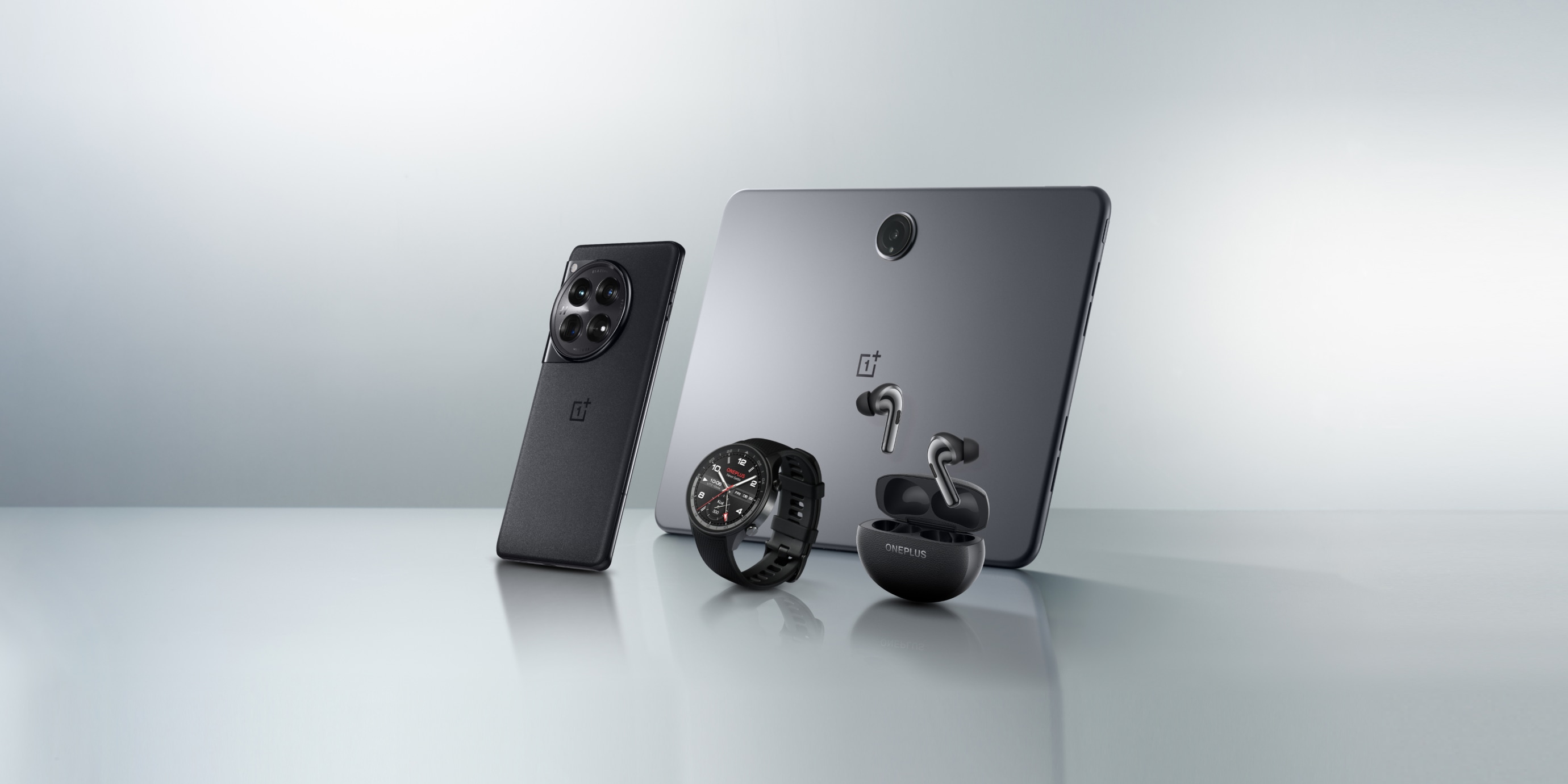
The Mobile Esports Arms Race: How OnePlus’ Battery Gambit Could Reshape India’s Gaming Economy
New Delhi, India — In the sweaty, neon-lit gaming cafés of Guwahati and the makeshift esports hubs of Shillong, where teenagers battle for ₹50,000 prize pools in BGMI tournaments, a new kind of digital divide is emerging. It’s not just about skill or internet speed—it’s about how long your phone can last before the dreaded 5% battery warning flashes mid-match. OnePlus’ upcoming Ace 6 Ultra, with its 8,600mAh battery—a 65% jump over the industry standard—isn’t just another gaming phone. It’s a calculated bet on India’s ₹15,000 crore ($1.8 billion) mobile esports ecosystem, where endurance is the new currency and downtime means defeat.
But here’s the paradox: In a country where 60% of gamers still use devices priced under ₹15,000 ($180), can a premium gaming phone with a battery larger than some laptops justify its existence? Or is OnePlus targeting a new tier of professional mobile athletes—players for whom a dead phone isn’t just an inconvenience, but a career-ending mistake?
The Battery Endurance Paradox: Why 8,600mAh Isn’t Just a Spec—It’s a Strategic Weapon
1. The Hidden Cost of "Low Battery" in Competitive Gaming
In India’s esports scene, where Free Fire and BGMI tournaments routinely draw 200,000+ concurrent viewers on platforms like Loco and Rooter, the difference between victory and elimination often hinges on stamina—not just the player’s, but the device’s. A 2023 study by NASSCOM and EY found that 42% of semi-professional mobile gamers in India have lost matches due to battery depletion, with an average financial loss of ₹3,200 ($38) per incident in local tournaments.
Battery Failure Impact in Indian Esports (2023 Data)
- 42% of semi-pro players lost matches due to dead batteries
- ₹3,200 average financial loss per incident in local tournaments
- 78% of top-100 BGMI teams carry backup phones during matches
- 6+ hours average duration of high-stakes LAN tournaments
Source: NASSCOM-EY India Gaming Report 2023, Loco Esports Survey
The Ace 6 Ultra’s 8,600mAh battery—paired with OnePlus’ Glacier Battery Optimization—promises 7+ hours of continuous 120Hz gameplay, a figure that dwarfs competitors like the RedMagic 9 Pro (6,500mAh, ~5 hours) or the ASUS ROG Phone 7 (6,000mAh, ~4.5 hours). For context, a standard BGMI match lasts 30-40 minutes, but professional scrims and boot camps can stretch for 8-10 hours daily. "In the Free Fire World Series 2023, three Indian teams were disqualified from the finals because their phones died during the last circle," recalls Rohan "Rox" Mehta, a coach for Team SouL. "An 8,600mAh battery isn’t a gimmick—it’s a tournament insurance policy."
2. The Psychology of Uninterrupted Play: Why Gamers Pay a Premium for Peace of Mind
Beyond raw specs, the Ace 6 Ultra taps into a deeper psychological need: elimination of anxiety. A 2024 survey by Counterpoint Research found that 63% of Indian mobile gamers experience "battery anxiety" during matches, with 29% admitting to playing more conservatively when their battery drops below 30%. This behavior—dubbed "low-power syndrome" by sports psychologists—can cost teams 15-20% in performance metrics like kill-death ratios (K/D) and headshot accuracy.
Case Study: The "Battery Clutch" Phenomenon in Call of Duty: Mobile
During the CODM World Championship 2023, Indian team GodLike Esports faced a critical moment in the finals against China’s Nova Esports. With 30 seconds left in a 1v1 clutch, GodLike’s star player, "Zgod", saw his phone drop to 2% battery. "I hesitated for a split second—just enough for the enemy to pre-aim," he later told The Esports Observer. "That half-second cost us ₹50 lakh ($60,000)." Incidents like these have led teams to mandate 7,000mAh+ phones for all players, with some even using external battery mods (banned in official tournaments).
The Regional Divide: Why Assam’s Cyber Cafés Need the Ace 6 Ultra More Than Mumbai’s Pros
1. Infrastructure Gaps Turn Battery Life into a Competitive Advantage
India’s esports landscape is fragmented by infrastructure. While Tier 1 cities like Mumbai and Bangalore have dedicated gaming lounges with charging stations and backup devices, Tier 2 and 3 regions—where 60% of India’s 500 million gamers reside—rely on cyber cafés with unreliable power. In states like Assam, Bihar, and Odisha, where electricity outages average 4-6 hours daily, a phone that can outlast the grid isn’t a luxury—it’s a necessity.
Power Outages vs. Gaming Phone Demand (2024)
| State | Avg. Daily Outages (Hours) | Gaming Phone Penetration (%) | Top Selling Model (2023) |
|---|---|---|---|
| Assam | 5.2 | 12% | POCO F5 (5,000mAh) |
| Bihar | 6.1 | 8% | Realme Narzo 60 (5,000mAh) |
| Maharashtra | 1.3 | 22% | iQOO Neo 7 (5,000mAh) |
| Kerala | 0.8 | 18% | RedMagic 8 Pro (6,000mAh) |
Source: Ministry of Power, Counterpoint Research, Amazon India Sales Data
In Guwahati’s gaming hubs, where Free Fire tournaments offer cash prizes equivalent to 3-6 months’ local salary, players often share phones during matches to conserve battery. "We’ve had cases where teams forfeit because three out of four players’ phones died," says Rajiv Das, owner of GameOn Café in Dibrugarh. "A phone like the Ace 6 Ultra could let a team play an entire weekend tournament on a single charge—that’s a game-changer."
2. The "Cyber Café Economy" and the Rise of "Battery-as-a-Service"
India’s 100,000+ gaming cyber cafés—which generate ₹8,000 crore ($960 million) annually—operate on razor-thin margins. Many charge ₹30-50 per hour for gaming, but lose 20-30% of revenue to downtime caused by dead phones. Some entrepreneurs have started offering "battery rental" services, where players can swap phones mid-match for a fee. The Ace 6 Ultra’s endurance could disrupt this model by reducing dependency on backup devices.
How One Cyber Café in Meghalaya Cut Costs by 40% With Long-Lasting Phones
Gamer’s Den in Shillong, which hosts weekly BGMI tournaments, previously spent ₹1.2 lakh ($1,440) monthly on maintaining 20 backup phones. After switching to 8,000mAh+ devices (imported from China), they reduced this cost to ₹70,000 ($840). "If the Ace 6 Ultra delivers on its battery claims, we could eliminate backup phones entirely," says owner Manoj Lyngdoh. "That’s an extra ₹6 lakh ($7,200) in annual profit—enough to upgrade our entire setup."
The 120W Charging Dilemma: Why Faster Isn’t Always Better in India’s Power-Strapped Regions
1. The Hidden Cost of "Fast Charging" in Areas With Unstable Grids
The Ace 6 Ultra’s 120W charging—which OnePlus claims can refill the battery from 0% to 50% in 12 minutes—sounds revolutionary, but it’s a double-edged sword in India. While urban gamers in metro cities can leverage this for quick top-ups, in regions with voltage fluctuations (common in Uttar Pradesh, Rajasthan, and Northeast states), fast charging can degrade battery health 2-3x faster.
Fast Charging vs. Battery Degradation in Unstable Power Conditions
- 120W charging in fluctuating voltage areas can reduce battery lifespan by 40% in 12 months (vs. 15% in stable conditions)
- 65W charging is the optimal balance for longevity in India’s power climate
- 30% of gaming phones in Tier 3 cities suffer from "swollen battery" issues due to improper charging
Source: Battery University, Indian Institute of Technology (IIT) Delhi Study 2023
"We’ve seen cases where phones with 100W+ charging overheat and shut down during power surges," warns Dr. Anil K. Jain, a professor at IIT Guwahati specializing in power electronics. "OnePlus’ Glacier Battery tech claims to mitigate this, but real-world testing in Indian conditions is crucial." The company’s IP69K rating (dust and water resistance) may help, but heat management remains the biggest challenge.
2. The Esports Coaching Industry’s Love-Hate Relationship With Fast Charging
For India’s 5,000+ esports coaches, fast charging is both a blessing and a curse. While it allows for quick turnarounds between training sessions, it also encourages "charge abuse"—a term used to describe players who constantly top up their phones instead of managing battery cycles properly. "I’ve had trainees ruin three phones in six months because they’d charge to 100%, play until 5%, then repeat," says "Mortal" (Naman Mathur), one of India’s most famous BGMI coaches. "A bigger battery means fewer charge cycles, which could extend a phone’s lifespan by 18-24 months."
The Price Paradox: Can a ₹50,000 Phone Justify Its Cost in a ₹10,000 Market?
1. The "Gaming Phone Premium" vs. India’s Budget Reality
The Ace 6 Ultra is expected to launch at ₹49,999 ($600), a price point that puts it in direct competition with flagships like the iPhone 15 (₹79,900) and Samsung Galaxy S23 (₹64,999). Yet, 85% of Indian gamers use phones priced under ₹20,000 ($240), according to a ID