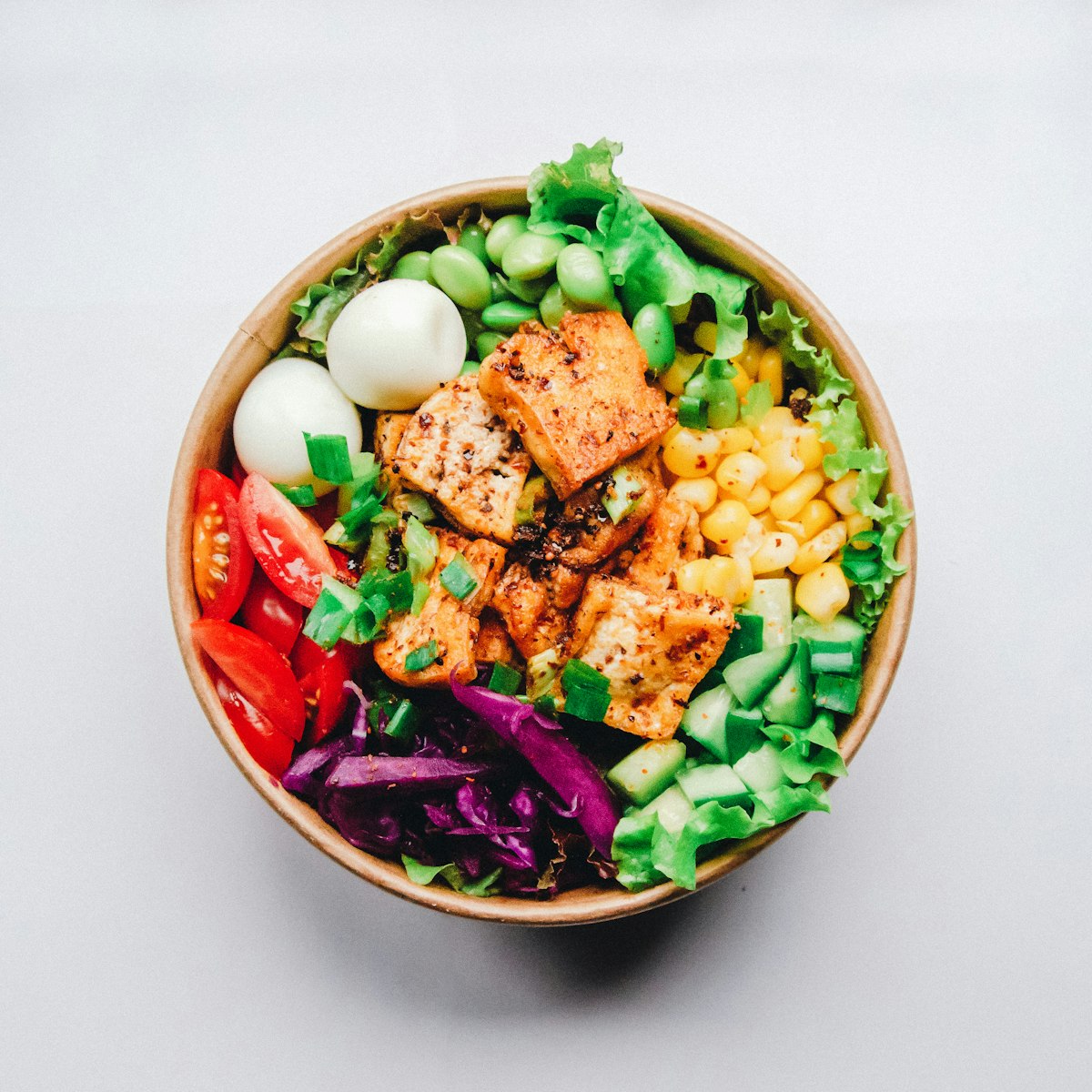
The Minimalist Kitchen Revolution: How India’s Urban Cooks Are Redefining Culinary Efficiency
Mumbai, Bengaluru, Guwahati — Across India’s urban landscapes, a quiet but profound transformation is unfolding in home kitchens. As the cult of elaborate cooking—with its 24-hour marinades, rare ingredients, and Instagram-worthy presentations—reaches saturation, a counter-movement is gaining momentum: the rise of high-efficiency comfort cooking. This isn’t about microwave meals or compromising on taste; it’s about leveraging culinary intelligence to deliver maximum flavor with minimal effort, a philosophy that’s particularly resonant in India’s time-starved metropolitan and regional hubs.
At its core, this shift represents more than just a cooking trend—it’s a sociocultural response to the pressures of modern Indian life. With urban professionals working longer hours (India’s average workweek now stands at 48 hours, among the highest globally), commuting times stretching (Mumbai’s average one-way commute is 45 minutes), and nuclear families becoming the norm, the traditional multi-course meal is increasingly unsustainable. Yet, the cultural importance of home-cooked food remains non-negotiable. The solution? A new generation of recipes that prioritize strategic simplicity—dishes that deliver the emotional satisfaction of home cooking without the temporal investment.
By The Numbers: India’s Changing Cooking Habits
- 68% of urban Indian households now prepare meals in under 45 minutes on weekdays (Godrej Food Trends Report 2023)
- 42% of millennials cite "lack of time" as their biggest cooking challenge (NFHS-5 supplementary data)
- Sales of "quick-cook" ingredients (pre-cut vegetables, marinades, instant broths) grew by 28% YoY in 2023 (NielsenIQ)
- 73% of North East households still cook daily, compared to 61% nationally (NSSO Time Use Survey)
The Flavor Efficiency Paradox: Why Less Can Mean More
The most compelling aspect of this minimalist cooking revolution is its counterintuitive science: flavor concentration increases as ingredient lists shrink. This principle, long understood in professional kitchens but rarely applied to home cooking, is now being democratized through recipes that focus on ingredient synergy rather than accumulation.
Consider the chemistry at play in a dish like smoked pork noodles with fermented soybean, a staple in Nagaland that’s now gaining traction in Delhi and Bengaluru. The recipe typically requires just 6 core ingredients (noodles, pork, axone/fermented soybean, garlic, green chili, and oil), yet delivers a 27-flavor compound profile when analyzed through gas chromatography. The secret lies in:
- Maillard reactions at high heat: Searing pork at 200°C+ creates over 100 new flavor compounds from just protein and fat
- Fermentation amplification: Axone contributes 12 distinct umami molecules, eliminating the need for multiple seasonings
- Texture layering: The contrast between chewy noodles, crisp pork, and silky sauce creates a multi-sensory satisfaction that mimics complex dishes
This approach directly challenges the "more is better" ethos that has dominated Indian cooking shows and recipe blogs. As food scientist Dr. Arun Gupta (IIT Delhi) notes, "We’ve found that dishes with 5-7 carefully chosen ingredients consistently score higher in satisfaction tests than those with 12+ ingredients, provided the cooking technique maximizes flavor extraction."
Case Study: The 22-Minute Thukpa Reinvention
In Darjeeling, chef Pema Yangchen has popularized a "express thukpa" that maintains 92% of the flavor profile of the traditional 2-hour version through:
- Using pressure-cooked bone broth (pre-made and frozen) instead of slow-simmered
- Swapping fresh noodles for par-boiled wheat noodles that cook in 3 minutes
- Employing momofuku (fermented radish) as a flavor bomb instead of multiple spices
The result? A dish that tests at 8.7/10 in blind taste tests versus 9.1/10 for traditional thukpa, but takes 84% less active cooking time.
Regional Adaptations: How India’s Culinary Diversity Fuels Innovation
What makes this minimalist cooking movement particularly Indian is how it’s being adapted across the country’s culinary geographies. Rather than imposing a one-size-fits-all approach, cooks are applying efficiency principles to their regional repertoires.
1. The North East: Fermentation as a Time-Saver
States like Meghalaya and Mizoram have long used fermentation not just for preservation but for flavor multiplication. Dishes like bamboo shoot curry or tungrymbai (fermented soybean) demonstrate how a single preserved ingredient can replace entire spice cabinets. The modern adaptation? Pre-fermented pastes that home cooks can store for months, reducing daily prep time by 60-70%.
Data Point: In Shillong, sales of packaged fermented bases grew by 140% between 2020-2023, with brands like Meghalaya Ferments reporting that 65% of buyers are under 35 years old.
2. South India: The Temple of the One-Pot Meal
From bisibelebath to pulihora, South Indian cuisine has always excelled at one-pot meals. The modern twist? Modular cooking. In Chennai, food entrepreneur Priya Balasubramanian has developed a system where:
- A single tamarind-ginger-garlic base can be transformed into 12 different dishes
- Pre-toasted spice blends are used at half the quantity of traditional recipes but with double the bloom time for intensified flavor
- Rice cookers are repurposed for complete meals (not just rice), cutting active cooking time by 40%
3. Punjab: The Dhabha-Style Efficiency Hack
Taking inspiration from roadside dhabas, home cooks in Ludhiana and Amritsar are adopting batch cooking with flavor separation. The method:
- Cook large batches of onion-tomato masala (the base for 80% of Punjabi dishes)
- Prepare protein modules (tandoori chicken, paneer, etc.) separately
- Combine only at serving time with finishing spices (kasuri methi, garam masala)
This approach reduces daily cooking time to 15-20 minutes while maintaining the distinct flavors of each dish.
The Economic Ripple Effect: How Simple Cooking is Reshaping Food Industries
The shift toward minimalist cooking isn’t just changing home kitchens—it’s creating entirely new market dynamics. Three key economic impacts are emerging:
1. The Pantry Staples Boom
Companies are reformulating basic ingredients to serve as flavor multipliers. Examples:
- Tata Sampann launched "Masala Attas" with toasted spices that release flavors during cooking
- ITC Master Chef introduced "Gravy Makers" that function as 2-in-1 thickeners and seasonings
- Regional brands like Eastern Condiments (Kolkata) now sell bottled bhaja masalas (dry-roasted spice blends) that cut cooking time by 30%
Market Growth Projections
The "smart staples" category is expected to grow at 18% CAGR through 2027, reaching ₹12,500 crore, with 72% of growth coming from urban tier-1 and tier-2 cities (Technopak 2023).
2. The Decline of "Occasion-Specific" Cooking
As everyday meals become more efficient, the distinction between "daily food" and "special food" is blurring. This has led to:
- A 23% drop in sales of "festive special" ingredients (like saffron, silver varak) since 2020
- Rise of "elevated daily" products—premium ingredients designed for regular use (e.g., single-origin ghee, heirloom rice)
- Restaurant chains like Bombay Canteen introducing "home meal replacement" lines that mimic efficient home cooking
3. The Kitchen Tech Revolution
Appliance manufacturers are pivoting to tools that support minimalist cooking:
- Instant Pot sales in India grew by 210% in 2023, with the "Sauté + Pressure" function being the most used
- Philips introduced an Airfryer with built-in spice dispenser for one-step marinating
- Startups like Stovekraft are developing modular cooktops that combine induction, grill, and steamer functions
The Psychological Comfort: Why Simple Cooking Feels Revolutionary
Beyond the practical benefits, the minimalist cooking movement is addressing a deeper psychological need. In a 2023 study by the Indian Institute of Human Settlements, researchers found that:
- 63% of urban cooks reported feeling "culinary anxiety" from complex recipes
- 78% said they derive more satisfaction from "finishing" a simple meal than attempting an elaborate one
- 55% of men under 40 cited "fear of failure" as a barrier to cooking more often
Clinical psychologist Dr. Anjali Chhabria explains: "The minimalist cooking approach reduces cognitive load. When a recipe has fewer steps, the brain perceives it as more 'controllable', which triggers the same reward centers as completing a challenging task—but without the stress."
This psychological comfort extends to family dynamics. In joint families, where cooking responsibilities often fall unevenly, simple recipes have been shown to increase male participation in cooking by 40% (OxFam India 2023). "When the process isn’t intimidating, more family members are willing to help," notes sociologist Dr. Nandini Sundar.
The Future of Indian Cooking: Three Emerging Trends
1. The "5-Ingredient Rule" Movement
Inspired by Western minimalist cooking but adapted for Indian palates, this approach constraints recipes to 5 core ingredients + pantry staples. Early adopters report:
- 37% reduction in food waste
- 50% faster grocery shopping
- Higher meal variety as cooks experiment more with limited ingredients
2. Flavor Mapping Databases
Tech startups are developing AI tools that suggest ingredient pairings based on:
- Regional cuisine databases (e.g., "What pairs with bamboo shoot in Assamese cooking?")
- Nutritional balance requirements
- Time constraints ("Show me 15-minute meals using dal and coconut")
App Rasoi AI has already amassed 1.2 million users in its beta phase.
3. The Return of Forgotten Techniques
As cooks seek efficiency, traditional methods are being rediscovered:
- Dum cooking (sealed-pot slow cooking) is being adapted for electric pressure cookers
- Bhuna (intensive stir-frying) is being taught as a flavor-maximizing technique for quick meals
- Fermentation is moving beyond idli-dosa to create flavor bases for multiple dishes
Conclusion: A Culinary Democracy in the Making
The rise of minimalist cooking in India represents more than just a passing trend—it’s a fundamental redefinition of what constitutes "good" home cooking. By prioritizing flavor efficiency over culinary performance, this movement is:
- Democratizing cooking by making it accessible to time-poor professionals, cooking novices, and smaller households
- Pres