Arunachal Pradesh: Unveiling the State's Tourism Potential
Arunachal Pradesh, a state nestled in the northeastern corner of India, has long been overshadowed by more popular tourist destinations. However, its recent participation in the South Asia Travel and Tourism Exchange (SATTE) in New Delhi has brought its vast and diverse tourism offerings into the spotlight. This event marked a significant step towards boosting the state's tourism sector, revealing a treasure trove of natural beauty, cultural richness, and adventure opportunities.
The Cultural Mosaic of Arunachal Pradesh
Often referred to as a mini India, Arunachal Pradesh is home to over 23 major tribes and more than 100 sub-tribes. Each of these tribes has distinct traditions, dialects, attire, and culinary practices, offering visitors a rich cultural experience. The state's tourism offerings are varied, ranging from nature and wildlife tourism to historical, religious, spiritual, and adventure tourism.
The cultural diversity of Arunachal Pradesh is a unique selling point. For instance, the Monpa tribe, known for their vibrant festivals and intricate handicrafts, offers a glimpse into the state's rich heritage. The Tawang Monastery, the largest Buddhist monastery in India, is a testament to the state's spiritual significance. These cultural assets not only attract domestic tourists but also have the potential to draw international visitors seeking authentic experiences.
Natural Wonders and Adventure Opportunities
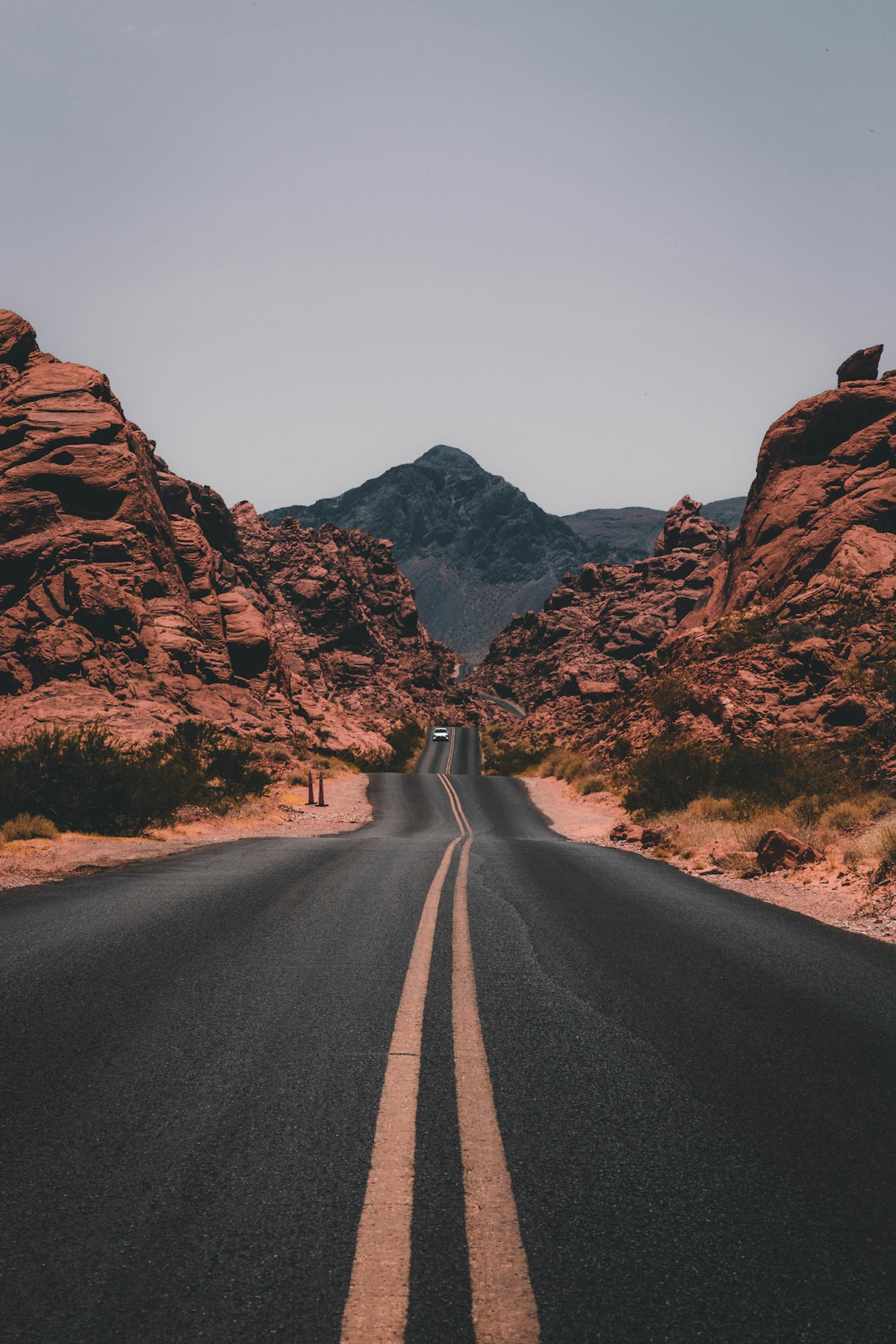
The state's diverse landscape includes pristine natural beauty, which was highlighted during the exhibition. This natural allure, combined with the rich cultural heritage, makes Arunachal Pradesh an attractive destination for tourists seeking a unique and authentic experience.
The Namdapha National Park, one of the largest protected areas in the Eastern Himalayas, is a biodiversity hotspot. It is home to over 1,000 plant species, 500 bird species, and numerous mammals, including the clouded leopard and the red panda. For adventure enthusiasts, the state offers trekking routes, white-water rafting, and mountaineering opportunities. The Gorichen Peak, standing at 6,488 meters, is a challenging yet rewarding climb for experienced mountaineers.
Infrastructure Developments: A Game Changer
One of the key points emphasized during the event was the significant improvements in connectivity in recent years. This enhancement in infrastructure is crucial for the tourism sector, as it makes the state more accessible to visitors from across India and the world.
The construction of the Bogibeel Bridge, the longest rail-cum-road bridge in India, has significantly reduced travel time to Arunachal Pradesh. Additionally, the state has seen the development of new airports and the expansion of existing ones. The Tezu Airport, for instance, has been upgraded to handle larger aircraft, making it easier for tourists to reach the state. These infrastructure developments are not only improving accessibility but also fostering economic growth in the region.
Economic Impact and Sustainable Tourism
The boost in tourism has the potential to significantly impact the state's economy. According to a report by the World Travel and Tourism Council, the tourism sector in India contributed 6.8% to the country's GDP in 2019. Arunachal Pradesh, with its unique offerings, can tap into this market and drive economic growth. However, it is essential to ensure that this growth is sustainable.
Sustainable tourism practices can help preserve the state's natural and cultural heritage while providing economic benefits to local communities. Initiatives such as community-based tourism, where local communities are involved in the planning and management of tourism activities, can ensure that the benefits of tourism are widely distributed. Additionally, eco-tourism practices can help minimize the environmental impact of tourism.
Challenges and Future Prospects
Despite the potential, Arunachal Pradesh faces several challenges in developing its tourism sector. These include inadequate infrastructure in remote areas, limited marketing and promotion, and the need for skilled manpower in the tourism industry. Addressing these challenges will require a concerted effort from the government, private sector, and local communities.
The future of Arunachal Pradesh's tourism sector looks promising. The state's participation in events like SATTE has already begun to attract attention from domestic and international tourists. With continued investment in infrastructure, sustainable tourism practices, and effective marketing, Arunachal Pradesh can become a leading tourist destination in India.
Conclusion
Arunachal Pradesh's participation in the South Asia Travel and Tourism Exchange has brought its tourism potential into the spotlight. The state's unique blend of natural beauty, cultural richness, and adventure opportunities makes it an attractive destination for tourists seeking a unique and authentic experience. With improvements in connectivity and a focus on sustainable tourism, Arunachal Pradesh has the potential to become a leading tourist destination in India, driving economic growth and preserving its natural and cultural heritage.