The Foldable Revolution: How Apple’s iPhone Fold Could Reshape Mobile Technology and Consumer Behavior
Analysis: The smartphone industry stands at a crossroads. After a decade of incremental improvements—faster processors, better cameras, and marginal design tweaks—the next seismic shift is unfolding: foldable displays. While competitors like Samsung, Huawei, and Google have already dipped their toes into foldable waters, Apple’s rumored iPhone Fold isn’t just another entrant. It’s a potential category redefiner, one that could render today’s premium smartphone features, like the iPhone 18 Pro’s Dynamic Island, obsolete overnight. But the implications stretch far beyond hardware innovation. This is about reimagining mobile interaction, reshaping supply chains, and even altering how entire regions engage with technology.
For years, Apple has resisted the foldable trend, allowing rivals to stumble through early adopter pains—fragile hinges, exorbitant price tags, and questionable real-world utility. Yet, if history is any guide, Apple’s entry won’t just be another player in the market; it will be the moment foldables transition from niche curiosity to mainstream necessity. Consider the iPad in 2010 or the Apple Watch in 2015: both faced skepticism until Apple refined the use case. The iPhone Fold could follow the same playbook, but with even broader consequences for consumer behavior, app ecosystems, and global tech dominance.
The Foldable Paradox: Why Apple’s Late Entry Could Be Its Greatest Advantage
1. The "Apple Effect": How Late Mover Status Fuels Dominance
Apple’s strategy has never been about being first; it’s about being right. The company’s delayed entry into foldables isn’t a sign of hesitation—it’s a calculated move to avoid the pitfalls that plagued early adopters. Samsung’s Galaxy Z Fold series, now in its sixth iteration, has gradually addressed durability concerns, but at a cost: each generation has been a public beta test, with users reporting screen creases, hinge failures, and software quirks. Apple, meanwhile, has been quietly patenting foldable display technologies (over 50 foldable-related patents filed since 2016, per USPTO data) and refining its approach.
The iPhone Fold won’t just be a smartphone that bends; it will be a multi-device replacement, blending the portability of an iPhone with the productivity of an iPad Mini. This hybrid approach aligns with Apple’s ecosystem strategy, where hardware serves as a gateway to services (Apple Music, iCloud, Apple TV+). For context, Samsung’s foldables accounted for 60% of its Q2 2024 smartphone profits, despite representing just 15% of unit sales (Counterpoint Research). Apple’s version could dwarf those margins by leveraging its 1.2 billion active iPhone users—a captive audience primed for upgrades.
2. The Death of the "Gimmick Feature": Why Dynamic Island and Notches Are Temporary
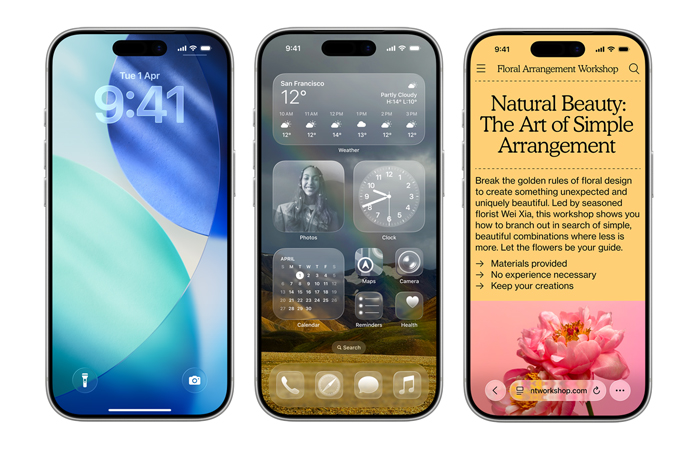
The iPhone 18 Pro’s Dynamic Island—a clever but ultimately incremental improvement over the notch—exemplifies the innovation stagnation in traditional smartphones. These features are Band-Aids on a form factor that has remained largely unchanged since 2010. Foldables, however, redesign the canvas entirely. A foldable iPhone wouldn’t need a Dynamic Island because the screen itself becomes dynamic: expanding for media, contracting for calls, or splitting into multi-app workflows.
This shift forces a reckoning for app developers. Today, most iOS apps are designed for a fixed 6.1" or 6.7" display. A foldable iPhone would require adaptive UI frameworks, where apps seamlessly transition between compact and expanded states. Google’s Android foldable guidelines (released in 2021) offer a preview, but Apple’s strict app review process could enforce a higher standard. The result? A new wave of "foldable-first" apps that redefine mobile productivity—think split-screen coding tools, immersive gaming, or dual-pane document editing.
Case Study: Microsoft’s Surface Duo
Microsoft’s ill-fated Surface Duo (discontinued in 2023) proved that hardware alone isn’t enough. Despite its innovative dual-screen design, the lack of optimized software doomed it to less than 1% market share. Apple’s vertical integration—controlling both hardware and software—could avoid this fate. If the iPhone Fold launches with exclusive foldable-optimized versions of iWork, Final Cut Pro, or Xcode, it would create an immediate moat against competitors.
3. Supply Chain Shockwaves: Who Wins and Who Loses?
The iPhone Fold won’t just disrupt consumers; it will reshape global supply chains. Foldable displays require ultra-thin glass (UTG) from suppliers like Samsung Display, BOE, or Corning. Currently, Samsung Display dominates UTG production, supplying 85% of foldable panels (Omdia). Apple’s entry could force a scramble for capacity, benefiting secondary suppliers like China’s BOE, which has aggressively expanded UTG production in anticipation of Apple’s demands.
Meanwhile, traditional iPhone component suppliers—like Foxconn (assemblies), TSMC (chips), or LG Innotek (cameras)—may face margin pressures. Foldable hinges, for instance, require precision engineering that few manufacturers can deliver at scale. Apple’s likely partner? Amphenol, a U.S.-based hinge specialist that already supplies MacBook Pros. This shift could further reduce Apple’s reliance on Chinese suppliers, aligning with its de-risking strategy amid U.S.-China trade tensions.
Regional Impact: Asia’s Foldable Gambit
South Korea and China are betting big on foldables. Samsung’s $10 billion investment in UTG production has made it the default leader, while Chinese brands like Huawei, Oppo, and Xiaomi are flooding the market with cheaper foldables (e.g., Huawei’s Mate X5 starts at $1,800, undercutting Samsung’s $2,000+ models). Apple’s iPhone Fold could:
- Boost South Korean exports: Samsung Display’s UTG shipments could double if Apple signs a supply deal.
- Pressure Chinese brands: Xiaomi and Oppo may abandon foldables if Apple’s ecosystem lock-in proves too strong.
- Accelerate India’s manufacturing push: Apple’s iPhone assembly in India (via Foxconn) could expand to include foldables, aligning with Modi’s "Make in India" initiative.
Beyond the Hardware: How Foldables Will Change Daily Life
1. The Work-from-Anywhere Revolution
The pandemic normalized remote work, but mobile productivity remains clunky. A foldable iPhone could bridge the gap between phone and laptop for:
- Professionals: Imagine a collapsible MacBook—full macOS apps (via virtualization) on a 7–8" foldable screen, paired with a Bluetooth keyboard.
- Creatives: Adobe’s Photoshop for Foldables (already in beta for Samsung) could enable on-the-go editing with pressure-sensitive stylus support.
- Students: Split-screen note-taking (e.g., lecture slides on one half, Notion on the other) could replace tablets.
2. Gaming and Media: The Next Console in Your Pocket
Mobile gaming generates $120 billion annually (Newzoo), but it’s constrained by screen size. A foldable iPhone could:
- Enable console-quality gaming with physical controls (via touch-sensitive bezels or a detachable gamepad).
- Revolutionize streaming: Netflix and Apple TV+ could offer "foldable-enhanced" content with dynamic aspect ratios (e.g., expanding a movie scene during action sequences).
- Boost AR/VR adoption: A foldable screen could serve as a portable AR window, overlaying digital info on the real world without bulky headsets.
Case Study: Nintendo’s Lessons for Apple
The Nintendo Switch proved that hybrid devices can thrive if the use case is clear. Apple could adopt a similar strategy by:
- Partnering with game studios (e.g., Epic, Ubisoft) for foldable-exclusive titles.
- Introducing a "Pro Controller Mode" where the folded iPhone acts as a gamepad for Apple TV.
3. The Social Dilemma: Will Foldables Deepen Digital Addiction?
Critics argue that foldables could exacerbate smartphone addiction by making screens even more omnipresent. A 2024 Journal of Social Psychology study found that users with larger screens spent 22% more time on their devices. Apple’s challenge will be balancing immersion with digital wellness. Potential solutions:
- Adaptive Screen Time: Using foldable sensors to detect usage patterns (e.g., unfolding for work vs. social media) and nudging breaks.
- "Focus Fold" Mode: A grayscale, minimalist interface when unfolded for productivity.
Geopolitical Chess: How the iPhone Fold Could Shift Tech Power Dynamics
1. The U.S.-China Tech War: A New Battleground
Foldables are becoming a proxy for technological sovereignty. The U.S. has restricted exports of advanced semiconductor equipment to China (via October 2022 chip bans), but foldable displays rely on Chinese-made UTG and hinges. Apple’s iPhone Fold supply chain decisions could:
- Strengthen U.S. allies: Shifting UTG orders to Samsung (South Korea) or Sharp (Japan) reduces dependence on China.
- Accelerate China’s self-sufficiency: If Apple excludes Chinese suppliers, Beijing may double down on domestic foldable tech (e.g., BOE’s $15 billion display fab in Chongqing).
2. Europe’s Regulatory Gamble
The EU’s Digital Markets Act (DMA) forces Apple to allow sideloading and third-party app stores. A foldable iPhone could test these rules:
- If Apple restricts foldable-optimized apps to its App Store, it may face antitrust scrutiny.
- European developers could gain an edge by creating DMA-compliant foldable apps that bypass Apple’s 30% cut.
3. Emerging Markets: Leapfrogging or Left Behind?
In Africa and Southeast Asia, foldables risk becoming a luxury niche. The average smartphone price in India is $190 (Counterpoint), while foldables start at $1,000+. However, Apple’s iPhone Upgrade Program or carrier subsidies (e.g., Jio in India) could lower barriers. If successful, foldables might follow the iPhone’s path in China—initially elite, now 40% of the market.
The Foldable Future: A Paradigm Shift or a Passing Fad?
The iPhone Fold isn’t just a product; it’s a litmus test for whether foldables can escape their "gimmick" label. Apple’s entry will answer three critical questions:
- Can foldables achieve mainstream adoption? If priced under $1,500 and bundled with Apple’s ecosystem, yes. The iPad’s trajectory suggests users will pay a premium for transformative utility.
- Will developers embrace the fold? Apple’s App Store policies could force a wave of foldable-optimized apps, but resistance from indie developers (who lack resources) may slow adoption.
- Can the supply chain scale? UTG production must triple to meet demand. Samsung and BOE are racing to expand, but shortages could delay Apple’s plans by 12–18 months.
For competitors, the iPhone Fold’s arrival is an existential threat. Samsung’s foldable dominance hinges on Apple’s missteps; Google’s Pixel Fold (a critical flop with 0.1% market share) may be discontinued. Even Meta’s VR ambitions could falter if Apple’s foldable AR features (rumored for 2026) offer a more practical mixed-reality experience.
"The iPhone didn’t kill the flip phone; it made it