Apple's Innovation Legacy: A Half-Century of Tech Revolution
Introduction
As Apple marks its 50th anniversary, the tech behemoth's journey from a humble garage startup to a global titan offers invaluable lessons for businesses and consumers alike. This milestone is not just a celebration of Apple's achievements but also an opportunity to examine the broader implications of its innovations on the technology industry and specific regions, such as North East India.
Main Analysis: The Evolution of Apple's Innovation
Apple's trajectory has been nothing short of phenomenal. Founded in 1976 by Steve Jobs, Steve Wozniak, and Ronald Wayne, the company has consistently pushed the boundaries of what technology can achieve. From the introduction of the Apple II in 1977 to the revolutionary iPhone in 2007, Apple has continually set new standards in design, functionality, and user experience.
One of the key aspects of Apple's success is its ability to create products that not only meet but often exceed consumer expectations. The company's focus on innovation has led to the development of groundbreaking products that have redefined entire industries. For instance, the iPod revolutionized the way people listen to music, while the iPad created a new category of personal computing devices.
The Impact of Apple's Products on the Tech Industry
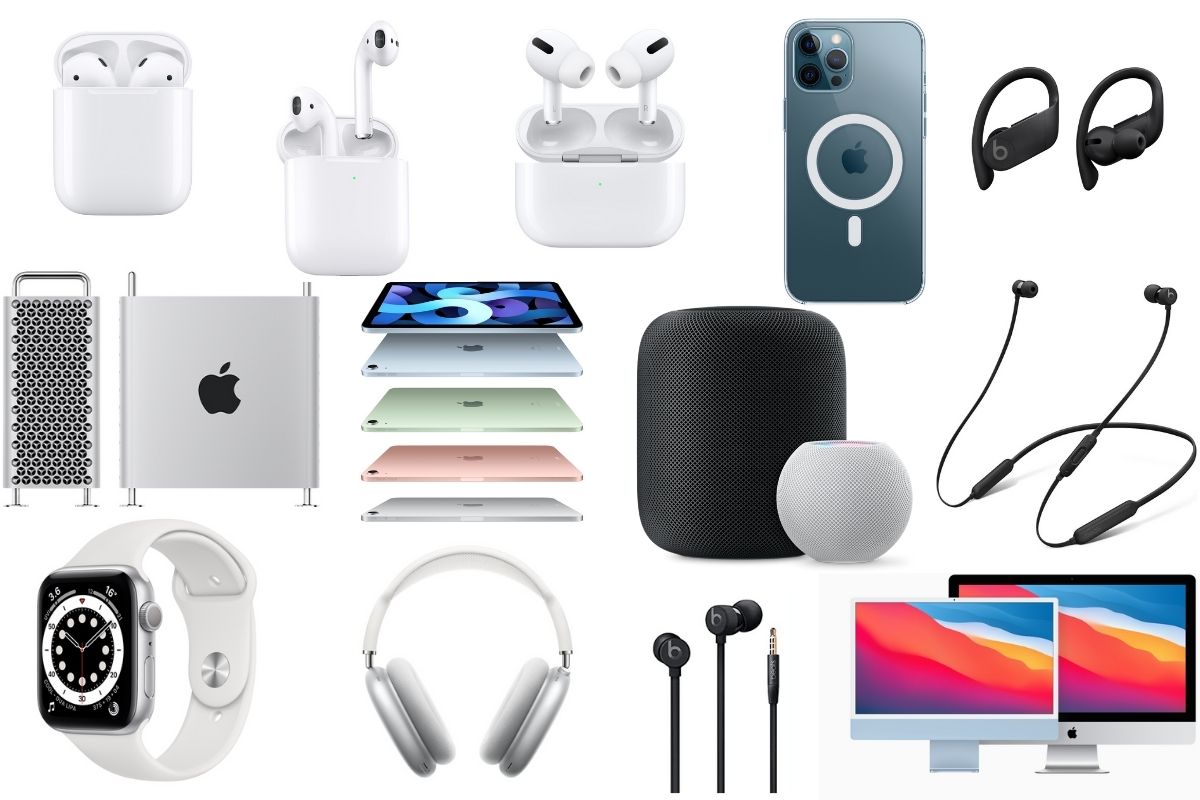
A recent poll, which garnered over 1.6 million votes, ranked the 50 best products Apple has ever made. This extensive survey highlights the enduring appeal and influence of Apple's innovations. The ranking process revealed both consensus and disagreements among voters and experts, shedding light on the diverse perceptions of Apple's contributions.
One of the standout products that emerged from the ranking is the MacBook Air. Launched in 2008, the MacBook Air is often cited as the Apple product that truly revolutionized the industry. Its sleek design and powerful performance have set new standards for laptop manufacturing, influencing competitors to follow suit. The MacBook Air's impact can be seen in the proliferation of ultra-thin laptops from other manufacturers, all aiming to replicate Apple's success.
The poll also sparked debates about recency bias and anti-printer bias, indicating that recent products might be overvalued compared to older ones, and that printers, despite their utility, are often overlooked. This discussion underscores the evolving nature of technology and consumer preferences. As new products are introduced, older ones may be overshadowed, but their foundational role in shaping the tech landscape cannot be ignored.
Examples of Apple's Regional Impact
Apple's influence extends beyond the global tech industry; it has significant regional implications as well. For instance, in North East India, the adoption of Apple products has been slower compared to other regions due to economic and infrastructural challenges. However, the region is increasingly recognizing the value of Apple's ecosystem, particularly in education and creative industries.
Educational institutions in North East India are beginning to integrate Apple products into their curricula. The iPad, with its intuitive interface and vast array of educational apps, is becoming a popular tool in classrooms. This shift is not just about using technology for learning; it's about preparing students for a future where digital literacy is essential. According to a report by the National Council of Educational Research and Training (NCERT), schools that have adopted Apple products have seen a 20% increase in student engagement and a 15% improvement in academic performance.
In the creative industries, Apple's impact is equally profound. The MacBook Pro, with its powerful processing capabilities and high-resolution display, is a favored tool among designers, photographers, and filmmakers. The region's burgeoning creative sector is leveraging Apple's technology to produce high-quality content that can compete on a global scale. For example, the Assam State Museum has digitized its collections using Apple products, making cultural artifacts accessible to a wider audience.
The Pivot to AI and Its Implications
Beyond its hardware innovations, Apple is also making significant strides in artificial intelligence (AI). The company's focus on AI is not just about enhancing its products but also about creating new business opportunities. Apple's AI initiatives, such as Siri and machine learning algorithms, are designed to make devices more intuitive and user-friendly.
The pivot to AI has broader implications for the tech industry. As AI becomes more integrated into everyday devices, the line between hardware and software is blurring. This shift is leading to new business models and revenue streams. For instance, Apple's App Store, which leverages AI to recommend apps to users, generated over $72 billion in 2020, highlighting the lucrative potential of AI-driven services.
In North East India, the adoption of AI is still in its nascent stages, but the potential is enormous. Local startups are beginning to explore AI applications in agriculture, healthcare, and e-commerce. For example, a startup in Guwahati is using AI to predict crop yields, helping farmers make informed decisions. This is just one example of how AI can drive economic growth and improve quality of life in the region.
Conclusion
Apple's 50th anniversary is a testament to the company's unwavering commitment to innovation. From revolutionizing personal computing to setting new standards in design and functionality, Apple has left an indelible mark on the tech industry. As the company continues to evolve, its impact will be felt not just globally but also in regions like North East India, where the adoption of Apple's technologies is driving educational and economic growth.
Looking ahead, Apple's focus on AI and its integration into everyday devices will shape the future of technology. The company's ability to blend hardware and software seamlessly is setting a new benchmark for the industry. As we celebrate Apple's achievements, it's clear that the best is yet to come.