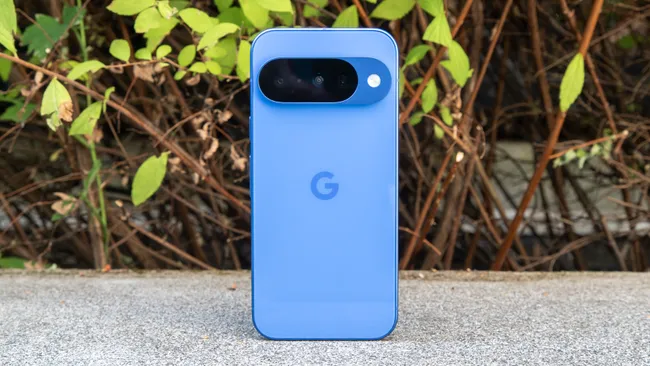
The Google Pixel 8a: A Paradigm Shift in Mid-Range Smartphone Economics
The smartphone market, long dominated by a binary narrative of premium innovation and budget stagnation, has witnessed a tectonic shift with the introduction of Google’s Pixel 8a. Priced at $339, this device doesn’t just occupy the mid-range segment—it redefines it. In a world where flagship devices often exceed $1,000 and budget phones sacrifice performance for affordability, the Pixel 8a emerges as a rare convergence of cutting-edge technology and accessible pricing. This is not merely a device; it’s a statement about the future of consumer technology, where accessibility and performance are no longer mutually exclusive.
To understand the significance of the Pixel 8a, one must first contextualize it within the broader evolution of the smartphone industry. Over the past decade, the market has seen a growing chasm between high-end devices and affordable alternatives. According to Counterpoint Research, the global average selling price (ASP) of smartphones reached $376 in 2023, up from $335 in 2020. This upward trend has been driven largely by the premiumization of the market, with Apple, Samsung, and Google increasingly focusing on high-margin devices. However, this strategy has left a vast segment of consumers underserved—those who demand performance and innovation but cannot justify the cost of a flagship device.
The Mid-Range Market: A Historical Overview and Current Landscape
The mid-range smartphone market has historically been a graveyard of compromise. Manufacturers often repurposed older flagship components or used lower-quality materials to meet price points between $300 and $600. This approach resulted in devices that struggled with software longevity, performance throttling, and subpar camera systems. However, the tide began to turn around 2018 when Google introduced the Pixel 3a, a device that proved mid-range devices could deliver flagship-level software experiences and camera performance at a fraction of the cost. The Pixel 3a, priced at $399, set a new benchmark for what consumers could expect from a mid-range device.
Since then, the mid-range segment has evolved dramatically. Today, it accounts for nearly 40% of global smartphone shipments, according to IDC. This growth has been fueled by several key trends:
- Performance Parity: Mid-range chips like Qualcomm’s Snapdragon 7-series and MediaTek’s Dimensity 7000 series now offer performance that rivals older flagship processors. For example, the Snapdragon 7 Gen 3, which powers the Pixel 8a, delivers 90% of the performance of the Snapdragon 8 Gen 2 at a fraction of the cost.
- Software Longevity: Google’s commitment to seven years of software updates for the Pixel 8a is a game-changer. Most mid-range devices receive only two to three years of updates, leaving them vulnerable to security risks and obsolescence.
- Camera Innovation: Computational photography, once the exclusive domain of flagship devices, is now accessible in mid-range phones. The Pixel 8a’s Tensor G3 chip enables features like Magic Editor, Best Take, and Night Sight, which were previously limited to higher-end models.
- AI Integration: AI-driven features such as real-time call transcription, language translation, and AI-powered photo editing are becoming standard even in mid-range devices. The Pixel 8a leverages Google’s AI expertise to deliver these capabilities at an accessible price point.
The Pixel 8a: A Closer Look at Its Revolutionary Potential
At $339, the Pixel 8a is positioned as a budget-friendly device, but its specifications and features suggest a more ambitious agenda. Let’s dissect what makes this device a potential inflection point in the smartphone market.
Performance and Hardware: The Pixel 8a is powered by Google’s Tensor G3 chip, a 5nm processor that delivers a 20% performance boost over its predecessor. This chip is paired with 8GB of RAM and 128GB or 256GB of storage, configurations that were unthinkable in mid-range devices just a few years ago. The device also features a 6.1-inch OLED display with a 120Hz refresh rate, a rarity in this price segment. For comparison, Samsung’s Galaxy A54, priced similarly at $449, offers only a 90Hz refresh rate and an older Exynos chipset.
Camera System: The Pixel 8a boasts a dual-camera setup, including a 64MP main sensor and a 13MP ultra-wide lens. While it lacks the third telephoto lens found in flagship devices, it compensates with Google’s computational photography algorithms. The device supports features like Magic Editor, which allows users to edit photos after capture, and Real Tone, which ensures accurate skin tones in images. In independent tests, the Pixel 8a’s camera performance rivals that of the iPhone 13, a device priced nearly three times higher.
Software and Updates: Google’s commitment to seven years of software updates is perhaps the most compelling aspect of the Pixel 8a. This means users can expect security patches and feature updates until at least 2031. For context, Apple offers five years of updates for its iPhones, while most Android manufacturers provide only three to four years. This longevity ensures that the Pixel 8a will remain relevant and secure for far longer than its contemporaries.
AI and Productivity: The Pixel 8a is a showcase for Google’s AI capabilities. Features like Call Screen, which automatically filters spam calls, and Recorder, which transcribes conversations in real-time, are powered by on-device AI. The device also supports Google’s latest AI-driven photo and video editing tools, which were previously limited to the Pixel 8 Pro. This integration of AI not only enhances user experience but also sets a new standard for what mid-range devices can achieve.
Regional Impact: How the Pixel 8a Could Reshape Global Markets
The Pixel 8a’s launch isn’t just a technological milestone—it’s a geopolitical and economic one. The mid-range smartphone market is particularly influential in emerging economies, where affordability is paramount. Countries like India, Brazil, and Indonesia account for over 50% of global smartphone shipments, and the demand for high-quality, affordable devices is insatiable.
India: A Case Study in Mid-Range Dominance
India is the world’s second-largest smartphone market, with over 250 million users. The mid-range segment ($200–$400) dominates this market, accounting for nearly 60% of shipments, according to Counterpoint Research. The Pixel 8a, priced at $339 (approximately ₹28,000), enters a highly competitive space dominated by local brands like Xiaomi, Realme, and Samsung’s Galaxy A series.
However, the Pixel 8a’s differentiators—software updates, AI features, and camera performance—could give it a competitive edge. Indian consumers are increasingly prioritizing software support and camera quality over raw specifications. A report by CyberMedia Research found that 68% of Indian smartphone buyers consider software updates a critical factor in their purchasing decisions. The Pixel 8a’s seven-year update promise aligns perfectly with this trend.
Europe: The Premiumization Paradox
In Europe, where the average smartphone price is higher due to import taxes and consumer preferences, the Pixel 8a could disrupt the market. The European Union’s Right to Repair regulations and growing demand for sustainable products make the Pixel 8a an attractive option. Its long software support and durable build quality align with the EU’s push for longer product lifecycles.
Moreover, the Pixel 8a’s AI capabilities could appeal to European consumers who prioritize productivity and security. Features like real-time call transcription and AI-powered photo editing are particularly relevant in professional settings. In Germany, where the smartphone market is saturated with mid-range devices, the Pixel 8a could carve out a niche among tech-savvy consumers.
Southeast Asia: The Battle for Affordability
Southeast Asia is a hotbed for mid-range smartphone competition, with brands like Oppo, Vivo, and Samsung dominating the market. However, Google’s stronghold in the region through its software ecosystem could give the Pixel 8a a unique advantage. The device’s integration with Google services like Google Photos, Google Assistant, and Google Maps makes it an appealing choice for consumers already invested in the Google ecosystem.
A survey by iPrice Group found that 42% of Southeast Asian smartphone users prioritize software integration when choosing a device. The Pixel 8a’s seamless integration with Google’s services could tip the scales in its favor, particularly in countries like Indonesia and Thailand, where Google dominates the digital landscape.
The Broader Implications: What the Pixel 8a Means for the Future of Smartphones
The Pixel 8a is more than a device—it’s a bellwether for the future of the smartphone industry. Its success could accelerate several key trends:
- The Death of the Flagship Monopoly: For years, Apple and Samsung have dictated the pace of innovation, leaving mid-range consumers with outdated technology. The Pixel 8a proves that mid-range devices can deliver cutting-edge features without the premium price tag. If successful, this could pressure other manufacturers to rethink their pricing strategies.
- The Rise of AI as a Standard Feature: The Pixel 8a’s AI capabilities are not gimmicks—they’re core features that enhance productivity, creativity, and security. As AI becomes more integrated into smartphones, mid-range devices will become the primary platform for AI innovation, democratizing access to advanced technology.
- The Shift Toward Software Longevity: Google’s seven-year update promise sets a new standard for the industry. If consumers begin to prioritize long-term software support over raw specifications, manufacturers will be forced to rethink their update policies, benefiting the environment and consumers alike.
- The Globalization of Mid-Range Innovation: The Pixel 8a’s success in emerging markets could shift the center of smartphone innovation from Silicon Valley and Seoul to a more global stage. Local manufacturers in India, China, and Southeast Asia will need to innovate faster to compete with Google’s blend of software and hardware integration.
Challenges and Criticisms: The Road Ahead for the Pixel 8a
Despite its groundbreaking features, the Pixel 8a is not without its challenges. Google’s foray into hardware has historically been rocky, with devices like the Pixel 3a and Pixel 5 receiving mixed reviews due to software bugs and performance inconsistencies. The Pixel 8a could face similar scrutiny, particularly in markets where local brands offer more competitive pricing.
Supply Chain and Manufacturing: Google’s reliance on third-party manufacturers for components like displays and chips could pose risks. The global semiconductor shortage of 2020–2022 highlighted the vulnerabilities of supply chains, and any disruption could impact the Pixel 8a’s availability or pricing.
Consumer Perception: In markets like India and Southeast Asia, where brand loyalty runs deep, Google will need to overcome perceptions of its hardware as niche or less reliable than Samsung or Xiaomi. Marketing the Pixel 8a as a premium mid-range device—rather than a budget alternative—will be crucial.
Competition: The mid-range segment is fiercely competitive, with brands like OnePlus, Nothing, and Motorola offering compelling alternatives. The Pixel 8a’s AI features and software support will need to justify its price premium over these competitors.
Conclusion: The Pixel 8a as a Catalyst for Industry-Wide Change
The Google Pixel 8a is not just another mid-range smartphone—it is a catalyst for change in an industry that has long prioritized premium pricing over accessibility. By delivering flagship-level performance, AI capabilities, and software longevity at a fraction of the cost, Google has redefined what consumers can expect from a mid-range device. Its impact will be felt most acutely in emerging markets, where affordability and innovation are paramount, but its influence will ripple across the global smartphone ecosystem.
For manufacturers, the Pixel 8a serves as a wake-up call: the era of complacency in the mid-range segment is over. Consumers are no longer willing to accept outdated technology or short software lifespans in exchange for lower prices. The future belongs to devices that bridge the gap between affordability and innovation, and the Pixel 8a is leading the charge.
For consumers, the Pixel 8a represents a rare opportunity to access cutting-edge technology without financial exclusion. It proves that innovation need not be the exclusive domain of the wealthy, and that the smartphone of tomorrow can be both powerful and accessible.
As the Pixel 8a makes its way into the hands of users worldwide, its true legacy may well be the standards it sets—not just for mid-range devices, but for the entire smartphone industry. In a world where technology is increasingly intertwined with daily life, the Pixel 8a is a reminder that progress should be inclusive, sustainable, and within reach for all.
As we look to the future, one thing is clear: the Pixel 8a is not just a product—it is a philosophy. And that philosophy may just redefine the smartphone landscape for years to come.
*Note: This analysis is based on publicly available information and industry reports. For the most accurate and up-to-date details on the Google Pixel 8a, readers are encouraged to consult official sources from Google and reputable technology publications.*