The Invisible Marketplace: How Lock Screen Commerce is Reshaping Consumer Behavior in India's Digital Frontier
In the quiet hum of a smartphone’s idle state, a new commercial frontier is emerging—one that operates without banners, pop-ups, or even unlocked screens. Amazon’s recent integration of its shopping tools directly onto the iPhone lock screen represents more than a technical update; it is a paradigm shift in how digital commerce infiltrates daily life. This innovation, centered around the Amazon Lens widget, transforms the lock screen from a passive barrier into an active marketplace, where desire can be acted upon in a single glance. For a country like India—where the digital economy is projected to surge to $350 billion by 2030 and mobile shopping already accounts for over 70% of online transactions—this development is not merely technological. It is sociological. It redefines accessibility, accelerates impulse behavior, and blurs the line between physical desire and digital acquisition. Nowhere is this transformation more palpable than in India’s northeastern states, where rapid smartphone adoption is colliding with deep-rooted shopping traditions.
The northeastern region—comprising eight culturally diverse states such as Assam, Manipur, and Nagaland—has long been a bastion of local markets, vibrant bazaars, and community-based trade. Yet, over the past five years, smartphone penetration in the region has skyrocketed from under 20% to nearly 60%, driven by affordable data plans and the rise of regional language apps. This digital awakening has created a fertile ground for e-commerce platforms, but it has also exposed a tension: how to reconcile the spontaneity of local shopping culture with the structured, app-dependent nature of online retail. Amazon’s lock screen integration offers a solution that feels almost organic to the region’s fast-paced, visually driven consumer habits. By allowing users to search for products using just their camera—without unlocking the phone—Amazon is tapping into the region’s love for visual discovery, where seeing an item often leads to immediate purchase. This is not just convenience; it’s cultural alignment.
This article explores how Amazon’s lock screen commerce strategy is not merely a feature upgrade but a psychological and cultural intervention. It examines the data behind India’s mobile commerce boom, analyzes the behavioral science driving instant purchasing, and assesses the regional implications for northeastern India—a region poised between tradition and transformation. Ultimately, it asks a critical question: Is this the future of retail, where commerce happens in the background, or is it a subtle form of commercial colonization of our most personal digital space?
---The Evolution of Instant Commerce: From Clicks to Glances
To understand the significance of Amazon’s lock screen integration, we must first trace the lineage of instant commerce—an evolution that mirrors the broader transformation of consumer behavior in the digital age. The journey began in the early 2000s with the rise of e-commerce platforms like Amazon and Flipkart, which brought the mall to the desktop. But as smartphones became ubiquitous, the battleground shifted to mobile apps. By 2015, mobile commerce (m-commerce) accounted for less than 30% of India’s e-commerce sales. Today, that figure has surged to over 70%, driven by the proliferation of affordable smartphones, low-cost data plans, and the rise of regional e-commerce players like Meesho and DealShare.
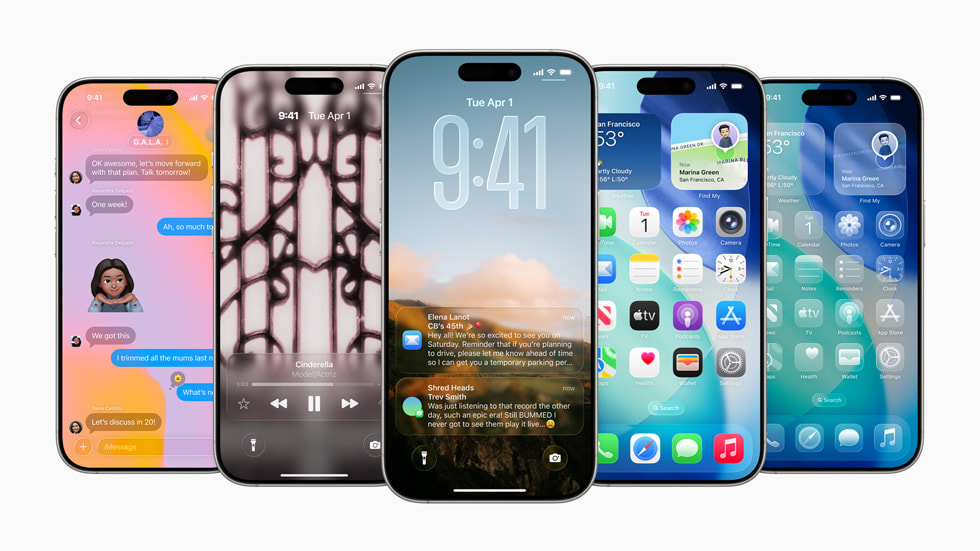
However, even m-commerce required users to unlock their phones, open an app, and navigate through categories—a process that, while faster than desktop, still introduced friction. Amazon sought to eliminate that friction entirely. The introduction of the Amazon Lens widget on the iPhone lock screen allows users to activate the camera with a single tap, scan a product (whether in a store, a magazine, or on the street), and immediately see Amazon’s listings for that item—complete with pricing, reviews, and one-click purchase options. All of this happens without ever unlocking the device.
This innovation is part of a broader trend known as ambient commerce—a concept where purchasing decisions occur seamlessly within the user’s existing digital routines. Ambient commerce leverages passive engagement: moments when users are already consuming content or interacting with their devices, but not actively shopping. The lock screen is the ultimate ambient space—it’s the first thing users see when they pick up their phone, and it’s viewed an average of 50 times per day by active smartphone users. By embedding commerce into this space, Amazon is not just reducing the steps to purchase; it’s embedding shopping into the fabric of daily life.
The implications for northeastern India are profound. In a region where markets are often seasonal and supply chains are fragmented, the ability to instantly verify the availability and price of a product—whether it’s a traditional handloom shawl from Sikkim or a smartphone from Guwahati—can empower consumers like never before. It also democratizes access to products that were previously out of reach due to geographical barriers. For rural youth in states like Mizoram or Arunachal Pradesh, where local stores may offer limited selections, this feature transforms the smartphone into a portable marketplace, accessible at any moment.
---The Psychology of Impulse: Why the Lock Screen is the New Checkout Counter
At its core, Amazon’s lock screen strategy is an exercise in behavioral manipulation—a term often used in marketing but rarely with such precision. The psychology behind it hinges on three key principles: reduced friction, visual priming, and cognitive ease.
1. Reduced Friction: The human brain is wired to avoid effort. Every additional step in a purchasing process—unlocking the phone, opening the app, searching for the product—represents a cognitive cost. Amazon’s lock screen integration reduces that cost to nearly zero. In behavioral economics, this is known as the friction tax. Studies show that even a one-second delay in loading a webpage can reduce conversions by 7%. Amazon’s widget eliminates that delay entirely, making impulse purchases almost inevitable.
2. Visual Priming: The Amazon Lens widget relies on visual recognition, which is processed by the brain 60,000 times faster than text. When a user points their camera at a product, the brain instantly recognizes shapes, colors, and patterns, triggering a desire for ownership before the conscious mind even processes the action. This is particularly effective in northeastern India, where visual culture—from traditional textiles to tribal art—plays a central role in consumer identity. A young woman in Imphal might see a handwoven shawl in a local market and, with a tap on her lock screen, instantly find a similar product on Amazon, complete with user reviews from across India. The psychological distance between desire and purchase collapses.
3. Cognitive Ease: The human brain prefers simplicity. Complex decisions drain mental energy, while easy decisions feel effortless—and thus more satisfying. By integrating commerce into the lock screen, Amazon reduces the cognitive load of shopping. Users don’t need to remember to open an app or search for a product; the opportunity to buy is presented to them in a context where they are already engaging with their device. This aligns with the default effect in behavioral science, where people tend to stick with pre-selected options unless they actively choose otherwise. In this case, the default option is “buy now.”
These principles are not new to e-commerce. What is new is their application at the most intimate level of digital interaction—the lock screen. Unlike ads or push notifications, which can be ignored or dismissed, the lock screen is unavoidable. It is the digital equivalent of a storefront in a high-traffic area, where footfall is guaranteed. For Amazon, this is not just a feature; it’s a psychological stronghold.
But this psychological advantage comes with ethical concerns. Critics argue that ambient commerce risks normalizing impulsive spending, particularly among younger users who may lack financial literacy. In a region where credit card penetration is low and cash remains king, the ease of one-click purchases could lead to overconsumption, debt, and financial stress. Platforms like Amazon must balance innovation with responsibility, especially in markets where digital literacy is still developing.
---The Regional Ripple Effect: How Lock Screen Commerce is Reshaping Northeast India
The northeastern states of India are not just passive recipients of digital innovation; they are active participants in its evolution. With a combined population of over 45 million and a GDP growth rate consistently above the national average, the region is experiencing a digital awakening that is reshaping its economic and social fabric. The rise of lock screen commerce is accelerating this transformation, but it is also exposing structural challenges.
1. Bridging the Urban-Rural Divide: While cities like Guwahati, Shillong, and Agartala are well-connected to e-commerce platforms, rural areas face connectivity issues, language barriers, and limited logistics. Amazon’s lock screen widget, which relies on camera-based search rather than text input, can overcome some of these barriers. A farmer in a remote village of Nagaland can use the camera to scan a product seen in a magazine or on a billboard, and Amazon can translate the product description into local languages like Bodo, Mizo, or Ao. This feature has the potential to democratize access to goods, but it also risks marginalizing communities that lack access to smartphones or stable internet.
2. The Rise of Hyperlocal E-Commerce: While Amazon dominates the national stage, local e-commerce players like ShopKirana in Assam and Northeast Mart in Manipur are emerging to cater to regional tastes. These platforms often focus on traditional products, handicrafts, and agricultural goods. However, without the technological infrastructure of Amazon, they struggle to offer the same level of instant gratification. The lock screen integration could widen the gap between national and local players, pushing smaller businesses further to the margins unless they innovate similarly.
3. Cultural Homogenization vs. Local Identity: One of the most significant implications of Amazon’s strategy is its potential to erode local shopping cultures. Traditional bazaars in the northeast are not just places of commerce; they are social hubs where communities gather, negotiate, and celebrate. The convenience of lock screen shopping may reduce foot traffic in these markets, threatening the livelihoods of local artisans and shopkeepers. At the same time, it could also empower consumers to make more informed choices, comparing prices and quality across platforms. The challenge lies in ensuring that this empowerment does not come at the cost of cultural erosion.
4. Logistics and Last-Mile Challenges: Even if a consumer in Aizawl or Kohima finds a product they want via the Amazon Lens widget, the reality of delivery remains a hurdle. Northeastern India’s hilly terrain, monsoon floods, and poor road connectivity often delay deliveries by days or even weeks. While Amazon has invested in regional fulfillment centers in Guwahati and Silchar, the last-mile delivery challenge persists. This discrepancy between instant desire and delayed gratification could frustrate consumers and undermine trust in e-commerce platforms.
Despite these challenges, the potential for lock screen commerce to empower consumers in the northeast is undeniable. For women in rural areas, who may have limited mobility due to social norms, the ability to shop from home is transformative. For students and young professionals, who are the primary adopters of smartphones, the feature offers a new level of convenience. And for local artisans, it provides a global marketplace for their products.
---Beyond Amazon: The Broader Implications for India’s Digital Economy
Amazon’s lock screen integration is not an isolated phenomenon; it is a bellwether for the future of digital commerce in India. As the country’s digital economy continues to expand, other platforms are likely to adopt similar strategies. Flipkart, Meesho, and even social commerce players like Ajio and Myntra are already experimenting with widget-based commerce, push notifications, and AI-driven recommendations. The race to dominate the lock screen is just beginning.
This shift has several broader implications for India’s digital economy:
1. The Death of the App: As widgets and ambient commerce features proliferate, the need to open an app may diminish. Users may no longer need to navigate through menus or search for products; commerce will happen in the background, triggered by context rather than intent. This could lead to a decline in app loyalty, as users interact with platforms through passive engagement rather than active participation.
2. The Rise of AI-Powered Personal Shoppers: Amazon’s lock screen widget already uses AI to recognize products and suggest similar items. As this technology advances, it could evolve into a fully personalized shopping assistant, anticipating user needs before they arise. Imagine a widget that notifies you when your favorite brand is offering a discount, or suggests a product based on your recent camera scans. This level of personalization could redefine customer loyalty, but it also raises concerns about data privacy and algorithmic manipulation.
3. The Blurring of Online and Offline Retail: Lock screen commerce blurs the line between digital and physical shopping. A user might see a product in a store, scan it on their lock screen, and purchase it from Amazon instead of buying it in-store. This phenomenon, known as showrooming, has long been a concern for brick-and-mortar retailers. With lock screen commerce, the threat becomes more acute. Traditional retailers may need to adopt similar technologies—such as QR code-based shopping or augmented reality try-ons—to compete.
4. Regulatory Scrutiny: As ambient commerce becomes more pervasive, regulators may begin to scrutinize its ethical implications. Issues such as data privacy, algorithmic bias, and financial responsibility will come under the spotlight. The Reserve Bank of India (RBI) has already expressed concerns about the rise of digital lending and instant credit, which could intersect with lock screen commerce. If users are presented with one-click purchase options without adequate financial checks, the risk of debt spirals increases.
5. The Global Race for Ambient Commerce: Amazon’s innovation is not limited to India. The company has rolled out similar features in the United States and Europe, where lock screen commerce is gaining traction among Gen Z and millennial users. In markets like Japan, where convenience stores (konbini) are already integrating e-commerce, the concept of ambient commerce is well-established. India’s rapid adoption of smartphones and digital payments makes it a critical test case for the global future of retail.
---Conclusion: A Silent Revolution in Consumer Behavior
The introduction of Amazon’s lock screen widget is more than a technological novelty; it is a silent revolution in how we interact with commerce. By embedding shopping into the most mundane aspects of digital life—the lock screen—Amazon is redefining the boundaries between desire and acquisition. For India, and particularly for the northeastern states, this innovation offers both promise and peril. It promises to democratize access to