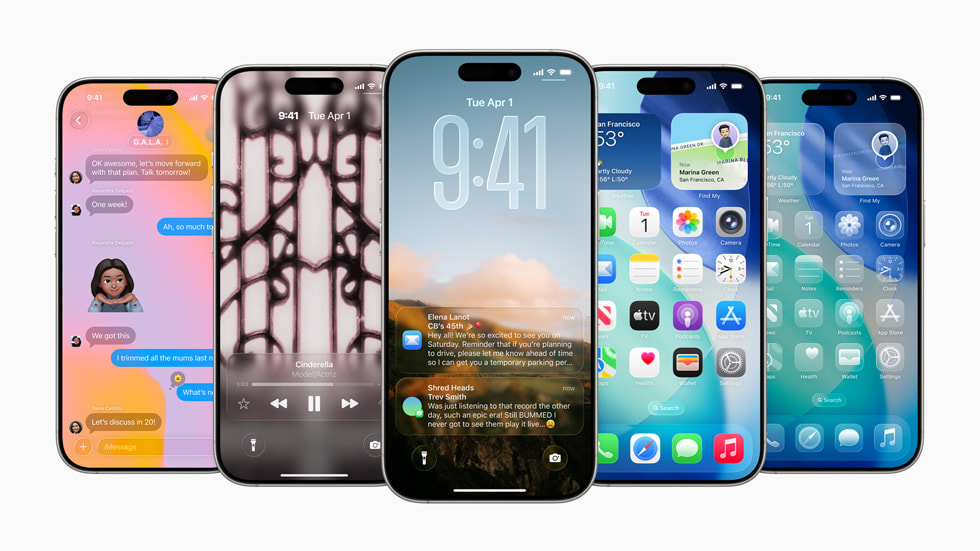
Redefining Mobile Computing: The Evolution of iOS and iPadOS in 2026
The landscape of mobile computing is continually evolving, and Apple's latest updates to iOS and iPadOS in 2026 mark a significant milestone in this journey. While the tech giant has historically been known for groundbreaking innovations, the focus this year has shifted towards stability, usability, and the integration of artificial intelligence. This article delves into the broader implications of these updates, their impact on user experience, and the practical applications that could redefine mobile computing, particularly in regions like the North East of India.
The Shift Towards Stability and Usability
The tech world has witnessed a paradigm shift in recent years, with users increasingly valuing stability and seamless performance over flashy new features. Apple's iOS 27 and iPadOS 27 updates reflect this trend, prioritizing enhancements that improve the everyday usability of their devices. This shift is not merely a response to user feedback but also a strategic move to solidify Apple's position in the market, especially in regions where technological infrastructure may not be as robust.
In the North East of India, for instance, where internet connectivity can be inconsistent, the focus on stability is particularly relevant. Users in this region often rely on their devices for both personal and professional tasks, making a stable operating system a necessity rather than a luxury. The updates promise to enhance the overall user experience, ensuring that devices run smoothly even under less-than-ideal conditions.
The Role of Artificial Intelligence in Mobile Computing
Artificial Intelligence (AI) has become a cornerstone of modern technology, and Apple's integration of AI into its operating systems is a testament to this trend. The upgrades to Siri, powered by third-generation foundation models developed with the help of Google's Gemini models, represent a significant leap forward in AI capabilities. These enhancements are not just about making Siri more responsive but also about making it more intuitive and context-aware.
The practical applications of these AI enhancements are vast. For instance, in educational settings, Siri can now assist students with more complex queries, providing detailed explanations and even tutoring in various subjects. In professional settings, it can streamline workflows by automating routine tasks and providing real-time assistance. The implications for regions like the North East of India are profound, where access to quality education and professional resources can be limited. AI-powered assistants like Siri can bridge this gap, providing users with the tools they need to succeed.
Compatibility and Accessibility
One of the most notable aspects of the iOS 27 and iPadOS 27 updates is their broad compatibility. Apple has ensured that a wide range of devices, including iPhones from 2019 and newer, such as the iPhone 11 and iPhone SE (2nd Gen), as well as iPads from the 9th generation onwards, can support the new operating systems. This inclusivity is crucial for ensuring that users do not feel compelled to upgrade their devices frequently, which can be a significant financial burden.
The updates are expected to roll out in September, with developer betas available now and public betas likely in July. However, users are cautioned against installing developer betas on their primary devices due to potential bugs and stability issues. This cautious approach underscores Apple's commitment to providing a seamless user experience, even if it means delaying the release of certain features until they are fully optimized.
Regional Impact and Practical Applications
The impact of these updates extends beyond individual user experience, touching upon broader societal and economic implications. In regions like the North East of India, where technological adoption can be slower due to various factors, the focus on stability and usability can accelerate the integration of mobile technology into daily life. For instance, the enhanced Siri capabilities can facilitate better communication and access to information, which is crucial for both personal and professional development.
Moreover, the updates can also have a positive impact on local economies. By providing a stable and reliable platform for businesses to operate on, Apple's operating systems can support the growth of small and medium-sized enterprises. This, in turn, can create job opportunities and stimulate economic growth. The practical applications of these updates are vast, and their impact on regions like the North East of India could be transformative.
Conclusion: The Future of Mobile Computing
The updates to iOS 27 and iPadOS 27 represent a significant step forward in the evolution of mobile computing. By focusing on stability, usability, and the integration of AI, Apple has set a new standard for what users can expect from their devices. The implications of these updates are far-reaching, with the potential to redefine how we interact with technology and how technology, in turn, shapes our lives.
In regions like the North East of India, these updates can bridge the gap between technological advancement and accessibility, providing users with the tools they need to thrive in an increasingly digital world. As we look to the future, it is clear that the role of mobile technology will only continue to grow, and the updates to iOS and iPadOS in 2026 are a testament to this ongoing evolution.