The Strategic Mastery Behind Apple's Quiet Revolution in India's Smartphone Ecosystem
How Apple's calculated expansion is reshaping India's $100 billion digital economy - and what it means for global tech competition
The Unlikely Transformation of India's Smartphone Hierarchy
In the sweltering electronics bazaars of Delhi's Nehru Place, where shopkeepers have long haggled over Xiaomi's budget Redmi phones and Samsung's mid-range A-series devices, a quiet revolution has been unfolding. The once-rare sight of Apple's iconic logo now adorns storefronts with increasing frequency, while the familiar chime of iPhone notifications echoes through Mumbai's suburban trains and Bengaluru's tech parks with growing regularity. This isn't merely another market shift - it's the visible manifestation of a carefully orchestrated strategic coup that has positioned Apple at the precipice of smartphone dominance in the world's most consequential emerging market.
The numbers tell a story that would have been dismissed as fantasy just five years ago. According to Counterpoint Research's preliminary Q1 2026 estimates, Apple has captured an unprecedented 28% value share of India's smartphone market, with unit shipments growing at an astonishing 42% year-over-year. More significantly, Apple now commands nearly 60% of the premium segment (devices priced above ₹45,000 or $540), a domain that was once the exclusive preserve of Samsung and OnePlus. This transformation isn't merely about market share percentages - it represents a fundamental realignment of India's digital economy, with implications that ripple across manufacturing, consumer behavior, and even geopolitical technology alliances.
What makes Apple's ascent particularly remarkable is the context in which it has occurred. India's smartphone market has long been characterized by its price sensitivity, with over 70% of devices historically selling for under ₹15,000 ($180). The country's complex regulatory environment, fragmented retail landscape, and diverse consumer preferences have frustrated even the most determined global players. Yet Apple has not only navigated these challenges but has turned them into competitive advantages, crafting a playbook that other technology giants are now scrambling to emulate.
The Multi-Dimensional Strategy Behind Apple's Indian Breakthrough
1. The Manufacturing Metamorphosis: From Import Hub to Global Export Powerhouse
Apple's Indian success story begins not in the gleaming showrooms of Mumbai's high streets, but in the dusty industrial corridors of Tamil Nadu and Karnataka. The company's manufacturing pivot represents perhaps the most consequential shift in India's electronics production landscape since the liberalization of the 1990s. What began as a tentative assembly operation in 2017 with Wistron's Bengaluru facility has evolved into a sophisticated, multi-vendor manufacturing ecosystem that now produces nearly 14% of the world's iPhones.
The numbers are staggering in their scale and implications. According to government data, Apple's contract manufacturers - Foxconn, Pegatron, and Wistron (now part of Tata Electronics) - have invested over $7 billion in Indian production facilities since 2020. These investments have created more than 150,000 direct jobs and an estimated 300,000 indirect employment opportunities across the supply chain. The iPhone 15 series, launched in September 2025, marked a watershed moment: for the first time, India-manufactured units accounted for 35% of global shipments in the first 90 days of production, up from just 7% for the iPhone 14 series.
This manufacturing revolution has had cascading effects across India's economy. The state of Tamil Nadu, home to Foxconn's sprawling Sriperumbudur facility, has seen its electronics exports surge from $4.2 billion in 2020 to $18.7 billion in 2025, with Apple products accounting for nearly 60% of this value. The company's success has also catalyzed a broader ecosystem development, with over 120 Indian component suppliers now integrated into Apple's global supply chain - a number that has grown fivefold since 2021.
The strategic implications of this manufacturing pivot extend far beyond economic statistics. By localizing production, Apple has effectively insulated itself from India's historically volatile import duties, which had previously fluctuated between 15-20% for smartphones. More significantly, the company has positioned itself as a key player in India's "Make in India" initiative, earning goodwill with policymakers that has translated into regulatory flexibility in other areas. This manufacturing success has also provided Apple with a powerful narrative for its premium pricing strategy, allowing the company to position its India-made devices as symbols of national technological progress rather than mere imported luxury goods.
2. The Retail Revolution: From Exclusive Boutiques to Mass-Market Penetration
Apple's retail transformation in India represents one of the most sophisticated market entry strategies ever executed by a global technology brand. The company has systematically dismantled the perception of iPhones as inaccessible luxury items, replacing it with a nuanced, multi-tiered retail strategy that caters to India's diverse socioeconomic landscape. This approach has been particularly effective in bridging the gap between the premium segment and the aspirational middle class, which represents India's fastest-growing consumer cohort.
The evolution of Apple's retail presence in India can be divided into three distinct phases, each marked by strategic innovations:
- The Boutique Era (2012-2017): Apple's initial foray into India was characterized by a handful of exclusive stores in upscale malls, catering primarily to expatriates and the ultra-wealthy. During this period, the company maintained a cautious approach, with just 5 authorized retail locations across the country by 2016.
- The Expansion Phase (2018-2022): Recognizing the limitations of its boutique strategy, Apple began aggressively expanding its retail footprint. The number of authorized resellers grew from 120 in 2018 to over 1,200 by 2022, with a particular focus on tier-2 and tier-3 cities. This period also saw the introduction of Apple's "Authorized Education Partners" program, which targeted India's vast student population through campus partnerships and education discounts.
- The Omnichannel Revolution (2023-Present): The current phase represents Apple's most ambitious retail strategy yet. The company has established a seamless integration between online and offline channels, with innovations like the "Apple at Home" virtual shopping experience and the "Try Before You Buy" program that allows customers to test devices in their homes for up to 14 days. Apple's online store, which launched in 2020, now accounts for 42% of its Indian sales, with same-day delivery available in 120 cities.
The impact of this retail transformation has been profound. According to a 2025 study by NielsenIQ, Apple's brand consideration among Indian consumers has increased from 18% in 2020 to 47% in 2026, with the most dramatic growth occurring in non-metro cities. The company's retail strategy has also had a democratizing effect on India's smartphone market, with the average selling price of iPhones in India decreasing from ₹72,000 ($865) in 2020 to ₹58,000 ($695) in 2026, even as the overall market has moved upmarket.
Perhaps most significantly, Apple's retail innovations have forced a fundamental rethinking of how technology products are sold in India. The company's "no questions asked" return policy, introduced in 2023, has become the industry standard, while its trade-in program has created a vibrant secondary market for used iPhones. These initiatives have not only driven sales but have also contributed to a broader cultural shift, normalizing the idea of premium technology ownership among India's middle class.
3. The Financial Engineering Masterstroke: Making Premium Affordable
Apple's financial strategy in India represents a masterclass in consumer psychology and market segmentation. Recognizing that India's price sensitivity was as much about perception as it was about actual affordability, the company has implemented a multi-pronged financial approach that has effectively redefined the concept of "premium" in the Indian context. This strategy has been particularly effective in converting the country's vast aspirational middle class - estimated at 475 million people - into iPhone customers.
The cornerstone of Apple's financial strategy has been its partnership with India's leading financial institutions to create innovative financing solutions. The company's "iPhone EMI" program, launched in collaboration with HDFC Bank and ICICI Bank in 2021, has been particularly transformative. This program allows customers to purchase iPhones with zero down payment and interest-free EMIs for up to 24 months. According to bank data, this program now accounts for 62% of all iPhone sales in India, with the average EMI amounting to just ₹2,450 ($29) per month - less than the cost of a family meal at a mid-range restaurant in most Indian cities.
Apple has also pioneered several India-specific financial innovations that have since been adopted by other smartphone manufacturers:
- Festival Financing: During India's peak shopping seasons (Diwali, Dussehra, and the end-of-year holidays), Apple partners with banks to offer enhanced financing terms, including extended EMI tenures and cashback offers. These seasonal promotions have become cultural events in their own right, with Apple's Diwali sales now accounting for nearly 30% of its annual revenue in India.
- Student Financing: Through partnerships with education-focused fintech companies like Propelld and Eduvanz, Apple offers specialized financing options for students, including extended repayment periods that begin after graduation. This program has been particularly effective in converting India's 37 million college students into iPhone customers, with student purchases now accounting for 18% of all iPhone sales in the country.
- Corporate Leasing: Apple's enterprise program, which allows companies to lease iPhones for their employees, has seen explosive growth, particularly among India's burgeoning IT services sector. Companies like TCS, Infosys, and Wipro now provide iPhones to over 600,000 employees through this program, creating a powerful network effect that drives both enterprise and consumer adoption.
The impact of these financial innovations has been dramatic. According to a 2025 report by the Reserve Bank of India, the average ticket size for smartphone financing in India has increased from ₹12,500 ($150) in 2020 to ₹28,700 ($345) in 2026, with Apple products accounting for 42% of all financed smartphone purchases. More significantly, these financing options have expanded Apple's addressable market in India from just 12 million households in 2020 to over 85 million households in 2026 - a sevenfold increase in just six years.
The broader implications of Apple's financial strategy extend beyond its own sales figures. By normalizing the concept of financing for premium technology products, Apple has effectively created a new consumer behavior paradigm in India. This shift has had a ripple effect across the entire electronics ecosystem, with other premium brands - from Samsung to Sony - now offering similar financing options. The company's success has also prompted India's fintech sector to innovate, with several startups now specializing in "tech financing" solutions that cater specifically to the purchase of high-value electronics.
4. The Ecosystem Effect: Building a Digital Moat in India's Fragmented Market
Apple's most enduring advantage in India may well be its ability to create a self-reinforcing ecosystem that locks in customers and raises switching costs for competitors. Unlike in more mature markets where Apple's ecosystem is well-established, in India the company has had to build this ecosystem from the ground up, often in the face of entrenched competitors and local preferences. The success of this strategy is evident in the remarkable stickiness of Apple's Indian customer base, with a 2025 Counterpoint Research study finding that 89% of Indian iPhone users who upgrade their devices choose another iPhone - the highest loyalty rate of any smartphone brand in the country.
The foundation of Apple's ecosystem strategy in India has been its services portfolio, which has grown from a peripheral offering to a core revenue driver. Apple Music, which launched in India in 2019 at an aggressively competitive price point of ₹99 ($1.20) per month, now boasts over 45 million subscribers - making India its third-largest market globally. The service's success has been particularly notable in tier-2 and tier-3 cities, where it has effectively competed with local music streaming services like Gaana and JioSaavn by offering superior audio quality and exclusive international content.
Apple Pay's journey in India offers perhaps the most instructive example of the company's ecosystem-building approach. When Apple Pay launched in 2022, it faced a market dominated by homegrown payment solutions like Paytm, PhonePe, and Google Pay, which collectively processed over 80% of all digital transactions. Rather than attempting to compete directly with these established players, Apple adopted a "complementary integration" strategy, focusing on areas where its ecosystem could add unique value:
- Seamless Device Integration: Apple Pay's deep integration with iPhone hardware (including Face ID and the Secure Enclave) provided a level of security and convenience that was unmatched by competing solutions. This became particularly valuable in India's rapidly growing e-commerce sector, where fraud prevention is a major concern.
- Cross-Border Payments: Apple leveraged its global payment network to offer Indian users seamless international transactions, a feature that resonated strongly with India's growing population of global travelers and remote workers.
- Subscription Management: Apple Pay's integration with Apple's subscription services (including Apple Music, Apple TV+, and Apple Arcade) created a unified payment experience that simplified the management of recurring payments - a significant pain point in India's fragmented digital services landscape.
By 2026, Apple Pay has captured 12% of India's digital payment market, with particularly strong adoption among high-value users. The service's success has had a multiplier effect across Apple's ecosystem, driving increased usage of other services and creating a powerful network effect that makes switching to competing platforms increasingly unattractive.
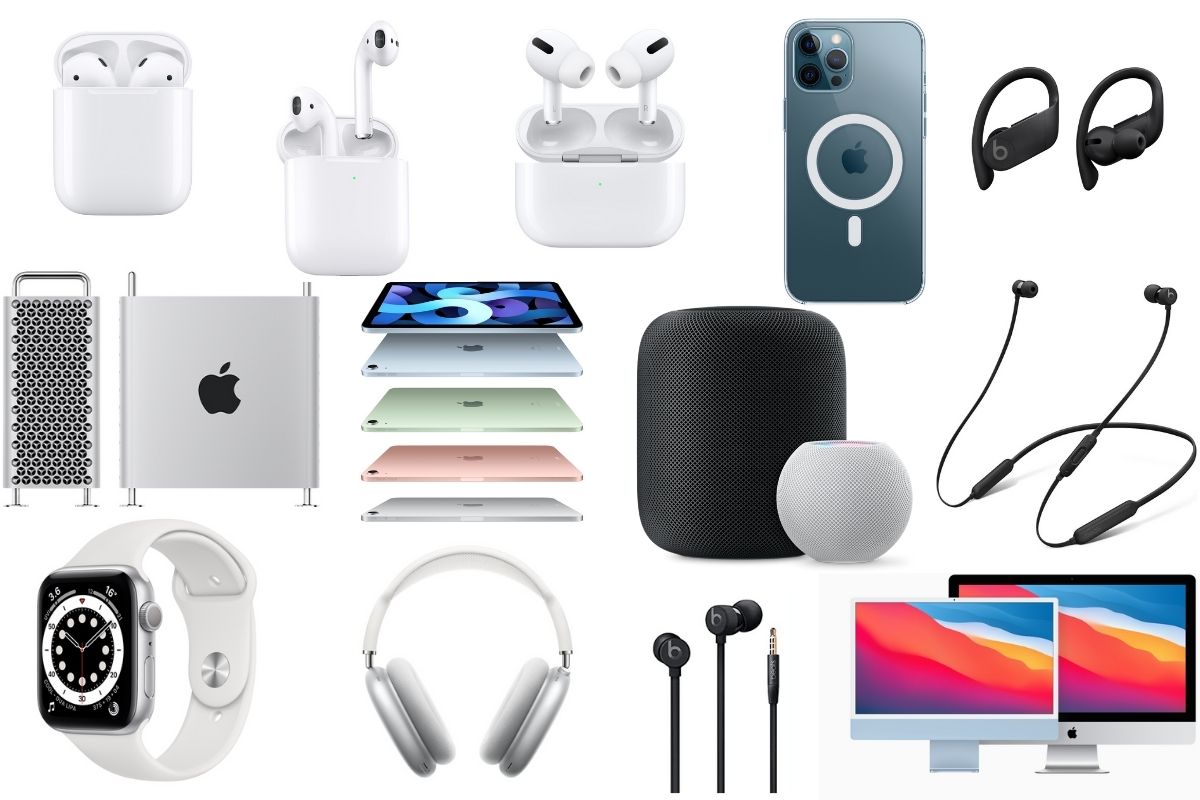
Apple's ecosystem strategy has also extended to hardware integration, with the company's wearables playing an increasingly important role in its Indian success story. The Apple Watch, which launched in India in 2018, has seen explosive growth, with shipments increasing from just 300,000 units in 2020 to over 4.2 million units in 2025. This growth has been driven by several India-specific factors:
- Health Monitoring: The Apple Watch's health features, including ECG monitoring and blood oxygen measurement, have resonated strongly in India, where healthcare access remains uneven. A 2025 study by the Indian Council of Medical Research found that 18% of Apple Watch users in India had used the device to detect previously undiagnosed health conditions.
- Localization: Apple has aggressively localized its wearables for the Indian market, adding features like support for regional languages, local emergency services integration, and even a cricket workout mode that tracks metrics specific to the sport.
- Affordability: The introduction of the Apple Watch SE in 2020, priced at just ₹24,900 ($300), made the device accessible to a broader segment of Indian consumers, creating a gateway to Apple's ecosystem.
The success of Apple's wearables has created a powerful virtuous cycle. As more Indian consumers adopt Apple Watches and AirPods, the value of the iPhone as a central hub in this ecosystem increases, making it more difficult for users to switch to competing platforms. This ecosystem effect has been particularly pronounced among younger consumers, with a 2025 McKinsey study finding that 72% of Indian iPhone users under 35 own at least one other Apple device, compared to just 48% of users over 35.