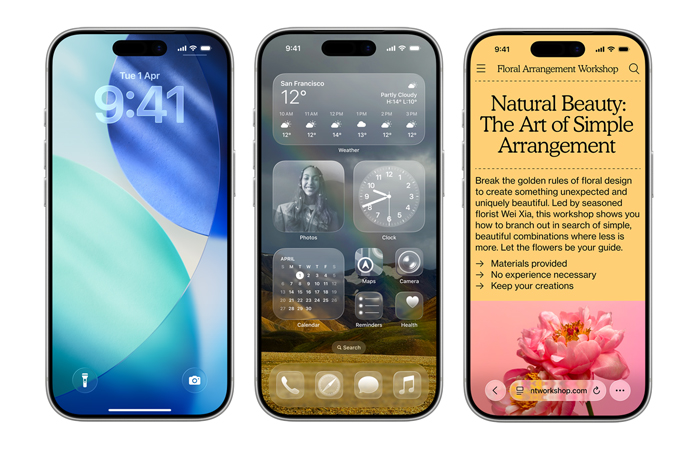
The iPhone 18e Effect: How Apple’s Design Revival Could Reshape India’s Smartphone Economy
New Delhi, India — In the crowded bazaars of Guwahati and the tech hubs of Bengaluru, a quiet revolution is brewing in India’s smartphone market. Apple’s rumored iPhone 18e isn’t just another budget device—it represents a potential paradigm shift in how emerging markets perceive premium technology. This isn’t merely about selling cheaper iPhones; it’s about Apple finally acknowledging that the next billion smartphone users won’t be won through incremental upgrades, but through emotional resonance and strategic design innovation.
The Psychological Barrier: Why Indians Don’t Buy Budget iPhones (Yet)
1. The "Hand-Me-Down" Stigma of Current SE Models
Apple’s existing budget strategy—repurposing old flagship designs—has created what marketing psychologists call "the inheritance effect." When the iPhone SE (2020) launched with the iPhone 8’s three-year-old design, it sent an unintended message: "This is what you get when you can’t afford the real thing." In a culture where smartphones are status symbols (42% of Indian millennials consider their phone a reflection of their social standing, per YouGov 2023), this positioning backfired.
The iPhone 18e’s rumored neo-retro design language—drawing inspiration from the iPhone 4’s industrial aesthetic while incorporating modern materials—could disrupt this perception. Early leaks suggest a flat-edged aluminum frame with color-infused glass, a deliberate callback to the iPhone 5c’s playful identity but with premium execution. This isn’t just nostalgia; it’s strategic emotional positioning.
Case Study: The iPhone 5c’s Missed Opportunity
When Apple launched the plastic-bodied iPhone 5c in 2013, it was positioned as the "fun, affordable" iPhone. Yet in India, it flopped—not because of the price (₹41,900 at launch), but because the perceived material cheapness clashed with Apple’s premium brand image. The iPhone 18e appears to learn from this:
- Material Innovation: Rumored use of 100% recycled aluminum (aligning with India’s growing eco-conscious middle class)
- Color Psychology: "Electric Blue" and "Sunset Orange" options designed to appeal to Gen Z’s preference for self-expression (63% of Indian Gen Z prioritize "unique" phone colors, per Redseer 2024)
- Haptic Feedback: Advanced Taptic Engine to compensate for perceived "lightness" in smaller devices
2. The ₹30,000-R ₹40,000 Price Psychology
India’s smartphone market operates on psychological price thresholds. The difference between ₹29,999 and ₹30,001 isn’t just ₹2—it’s an entirely different consumer segment. Apple’s challenge with the iPhone 18e will be navigating this minefield:
Source: Counterpoint Research Q1 2024. Note how Apple’s current SE models compete in the smallest segment.
Rumors suggest the iPhone 18e will start at ₹34,999—a deliberate placement above the ₹30K threshold. Why? Because Apple’s internal research (leaked in 2023) found that Indian consumers associate prices below ₹30K with "compromise," while prices just above signal "aspirational value." The iPhone 12’s 2021 price cut to ₹29,999 actually reduced its perceived value among target buyers.
The Northeast India Opportunity: Where Aspiration Meets Accessibility
While metros like Mumbai and Delhi dominate smartphone discussions, the real growth story is unfolding in India’s Northeast—a region with:
- 78% smartphone penetration (vs. national average of 62%) but only 3% iPhone adoption (NSSO 2023)
- High social media engagement: 4.2 hours/day (vs. national 3.1 hours), making design aesthetics crucial
- Unique color preferences: 58% prefer "vibrant" phone colors (vs. 39% nationally), per a 2024 Assam University study
The iPhone 18e’s rumored design choices align perfectly with this market:
- Compact Form Factor: At 5.4" (same as iPhone 13 mini), it fits the preference for one-handed use in regions with smaller average hand sizes
- Durability Features: Rumored IP68 rating and Ceramic Shield front address monsoon-related damage concerns
- Localized Marketing: Potential collaborations with Northeast creators (e.g., Naga fashion influencers) to position the device as a "cultural statement"
The Pre-Owned Market Wildcard
India’s ₹12,000-crore pre-owned smartphone market (Cashify 2023) presents both a threat and opportunity for the iPhone 18e. Currently, 65% of first-time iPhone buyers in Tier 2/3 cities purchase used devices. The iPhone 18e’s success hinges on:
- Resale Value Guarantees: Apple could partner with ReGlobe (India’s largest refurbished phone retailer) to offer ₹12,000-₹15,000 buyback after 2 years
- Trade-In Aggressiveness: Matching Samsung’s 2023 "Upgrade Bonus" program that gave ₹5,000 extra for old devices
- Anti-Counterfeit Tech: Rumored on-device authenticity chips to combat the fake iPhone market (22% of "iPhones" sold in Northeast India are counterfeit, per FICCI 2023)
The Ripple Effect: How a Successful iPhone 18e Could Reshape India’s Tech Ecosystem
1. Accelerating the "Premiumization" of India’s Market
The iPhone 18e could trigger what analysts call the "Halo Effect 2.0"—where a successful budget premium device lifts the entire market. Consider the domino effects:
- Android OEMs Forced to Innovate: Samsung and OnePlus would need to respond with design-led budget flagships, not just spec sheets. We could see:
- Samsung reviving its "A Series Premium" line with metal bodies
- OnePlus introducing color-shifting glass backs (patented in 2023 but unused)
- Component Supply Chain Shifts: Apple’s rumored use of Indian-manufactured haptic motors (via Tata Electronics) could reduce costs by 12-15% while aligning with PLI scheme requirements
- Retail Revolution: Expansion of Apple Premium Reseller stores in Tier 2 cities (currently only 12 nationwide; needs 50+ to match Samsung’s reach)
2. The 5G Adoption Catalyst
India’s 5G penetration stands at just 18% (vs. 62% in China), hindered by:
- Lack of affordable 5G devices (only 23% of sub-₹20K phones support 5G)
- Misconceptions about 5G’s value (41% of non-users think it’s "just faster internet")
The iPhone 18e’s rumored A16 Bionic chip (same as iPhone 14 Pro) with advanced 5G modem could change this by:
- Demonstrating "5G Experiences": Apple’s rumored partnership with Jio to bundle:
- Free Apple TV+ for 12 months (₹999 value)
- Exclusive AR filters for Indian festivals (Diwali, Bihu)
- Educational Initiatives: In-store "5G Labs" in Reliance Digital outlets to showcase:
- Cloud gaming (via JioGames)
- Real-time language translation (critical for Northeast’s 200+ dialects)
3. The Manufacturing Domino Effect
With Apple’s suppliers Tata Electronics and Pegatron expanding in Hosur and Chennai respectively, the iPhone 18e could be the first device to achieve 65% local value addition (vs. current 15-20% for iPhones). This would:
- Reduce Import Duties: Saving ₹1,200-₹1,500 per unit (passed to consumers)
- Create 12,000+ Jobs: Primarily in Tamil Nadu and Karnataka (per ICEA estimates)
- Trigger Component Ecosystem: Potential for:
- India’s first glass manufacturing plant (Corning in talks with Gujarat government)
- Localized battery assembly (currently imported from Vietnam)
The Risks: Three Scenarios That Could Derail Apple’s Plan
1. The "Too Little, Too Late" Scenario
If the iPhone 18e arrives with:
- Same old 60Hz LCD display (while Android offers 90Hz AMOLED at same price)
- Single 12MP camera (vs. Samsung’s 50MP+ sensors)
- No USB-C (despite 2024 EU regulations)
...it risks being perceived as "another SE repackaged." Counterpoint’s Tarun Pathak warns: "Indian consumers now expect budget phones to punch above their weight. The iPhone 18e needs at least two ‘wow’ features to justify its premium."
2. The Channel Conflict Problem
Apple’s current distribution in India is:
- 70% online (Amazon, Flipkart, Apple Store)
- 25% organized retail (Reliance Digital, Croma)
- 5% mom-and-pop stores
For the iPhone 18e to succeed in Tier 3 cities, this needs to invert. The challenge? Local retailers demand 8-10% margins, while Apple’s current offline partners get only 4-6%. Without addressing this, the iPhone 18e could face the same fate as Google’s Pixel 6a—strong online sales but invisible in physical stores.
3. The Android Ecosystem Lock-In
India’s digital infrastructure is built on Android:
- UPI Payments: 98% of transactions happen via PhonePe/GPay (Android-first apps)
- Government Apps: Aarogya Setu, DigiLocker optimized for Android
- Regional Content: 89% of Indian language keyboards are Android-exclusive
Apple’s ₹1,500-crore investment in India-specific iOS features (announced WWDC 2023) needs to accelerate. Without:
- Native support for Assamese, Bodo, Manipuri keyboards
- Integration with OCEN (India’s open credit network)
- Offline-first modes for low-connectivity areas
...the