Apple's Global Event: A New Era of Localized Tech Experiences
Introduction
Apple, the tech behemoth known for its innovative products and sleek designs, is poised to make a significant strategic shift with its upcoming global event scheduled for March 4, 2026. This event, unprecedented in its scope and reach, will be held simultaneously in three major cities: New York, London, and Shanghai. This move signals a new era for Apple, one that focuses on localized engagement and a broader range of devices, catering to the diverse needs of its global audience.
Main Analysis: The Shift to Localized Engagement
The decision to host press briefings in multiple cities is a departure from Apple's traditional approach of centralized product launches. This strategy aims to create a more immersive and hands-on experience for consumers in key markets. By bringing the event closer to its customers, Apple can better understand and address the unique preferences and needs of different regions. This localized approach is not just a marketing gimmick; it's a strategic move to deepen customer engagement and loyalty.
Historically, Apple has been criticized for its one-size-fits-all approach to product launches. The centralized events, often held in Cupertino, California, catered primarily to the U.S. market, leaving international customers feeling somewhat disconnected. The March 4 event marks a pivot towards inclusivity, recognizing the importance of regional markets in Apple's global strategy.
Examples: The Broad Spectrum of New Devices
Revolutionizing the MacBook Lineup
One of the most anticipated reveals is the new MacBook lineup. Apple is expected to unveil a budget MacBook, codenamed J700, priced around or below $799. This model, positioned as a cheaper alternative to the MacBook Air, will feature an A18 Pro chip, 8GB of RAM, and 256GB of storage. The device will sport a 12.9-inch screen, a classic aluminum chassis, and vibrant color options to attract younger buyers.
Additionally, Apple is set to launch new MacBook Pro models equipped with M5 Pro and M5 Max chips. These chips promise significant upgrades in CPU, GPU, and memory bandwidth, ideal for intensive tasks like AI model training and high-resolution video editing. The M5 Pro is expected to perform similarly to the M4 Max, while the M5 Max will set new performance benchmarks.
The M5-powered MacBook Air, successor to the M4, is also anticipated to make an appearance. This model will likely feature improved battery life, a more efficient cooling system, and enhanced display technology, making it a compelling choice for professionals on the go.
Diversifying the Product Portfolio
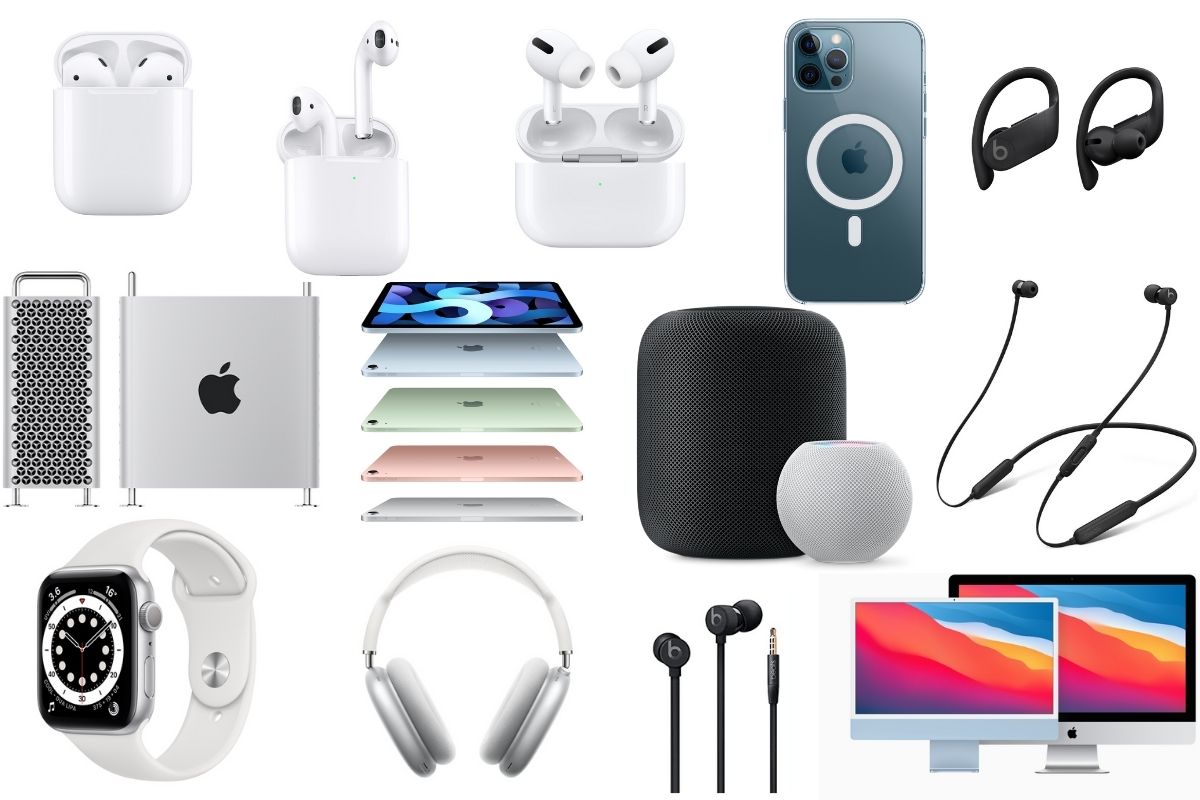
Beyond the MacBook lineup, Apple is expected to introduce a range of new devices that cater to different segments of the market. These include new iPad models with enhanced multitasking capabilities, aimed at both students and professionals. The iPad Pro, for instance, is rumored to feature a new Apple Pencil with advanced pressure sensitivity and tilt recognition, making it a powerful tool for creatives.
In the wearable category, Apple is set to unveil the next generation of Apple Watch, focusing on health and fitness features. The new Apple Watch Series 9 is expected to include advanced sensors for monitoring blood oxygen levels, sleep patterns, and even stress levels, positioning it as a comprehensive health companion.
Conclusion: The Broader Implications
The March 4 event is more than just a product launch; it's a strategic move by Apple to redefine its global presence. By hosting localized events, Apple can better tailor its products to meet the specific needs and preferences of different regions. This approach not only enhances customer satisfaction but also strengthens Apple's competitive edge in the global market.
The diversification of Apple's product portfolio is another key takeaway. By offering a range of devices at different price points and with varying features, Apple can cater to a broader audience, from students and young professionals to creatives and health enthusiasts. This strategy ensures that Apple remains relevant and competitive in an ever-evolving tech landscape.
In conclusion, Apple's March 4 event signals a new era of localized tech experiences and a more diverse product lineup. This strategic shift is not just about unveiling new devices; it's about creating a more inclusive and customer-centric approach to technology. As Apple continues to innovate and adapt, it solidifies its position as a leader in the tech industry, setting the stage for future growth and success.