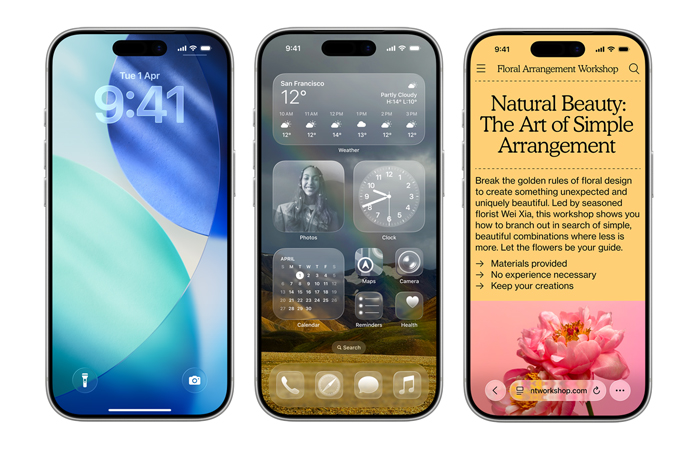
The iPhone 18 Pro: A Paradigm Shift in Tech Inclusivity
Introduction
The tech industry has long been a bastion of innovation, continually pushing the boundaries of what is possible. However, one area where it has often fallen short is inclusivity. The anticipated release of the iPhone 18 Pro is poised to change that, potentially revolutionizing the way we think about accessibility in technology. This analysis delves into the broader implications of such a shift, exploring how the iPhone 18 Pro could set a new standard for inclusivity in the tech industry.
Main Analysis
The Evolution of Accessibility in Tech
The concept of accessibility in technology is not new. Over the years, various companies have made efforts to incorporate features that cater to users with disabilities. For instance, Apple has been a pioneer in this field, introducing features like VoiceOver for the visually impaired and Switch Control for users with mobility challenges. However, these efforts have often been piecemeal, lacking a comprehensive approach that addresses the full spectrum of user needs.
The iPhone 18 Pro promises to change this narrative. By integrating advanced accessibility features as a core component of its design, Apple is sending a clear message: inclusivity is not an afterthought, but a fundamental aspect of modern technology. This shift is not just about adding a few new features; it's about rethinking the entire user experience to ensure that everyone can participate fully in the digital age.
The Economic and Social Impact
The potential impact of the iPhone 18 Pro extends far beyond the tech industry. According to the World Health Organization, approximately 15% of the world's population lives with some form of disability. This translates to over one billion people who could benefit from more inclusive technology. By making its products more accessible, Apple is not only expanding its market reach but also contributing to a more equitable society.
Economically, the benefits are substantial. A study by the Return on Disability Group estimates that the disability market represents an annual disposable income of $1.2 trillion. By tapping into this market, companies like Apple stand to gain significantly. Moreover, inclusive design often leads to better products for all users, as features designed for accessibility can enhance usability for everyone.
Regional Implications
The impact of the iPhone 18 Pro will vary by region, reflecting the diverse needs and challenges of different populations. In developed countries, where smartphone penetration is already high, the focus will likely be on enhancing the user experience for those with disabilities. For example, in the United States, where approximately 26% of adults live with some type of disability, the iPhone 18 Pro could provide new opportunities for independence and productivity.
In developing regions, the challenges are often more fundamental. Access to technology itself can be a barrier, let alone access to inclusive technology. However, the iPhone 18 Pro could still play a significant role. For instance, in countries like India, where smartphone usage is rapidly increasing, inclusive features could help bridge the digital divide, ensuring that no one is left behind as the country moves towards a more digitally connected future.
Examples of Inclusive Features
VoiceOver and Beyond
One of the standout features of the iPhone 18 Pro is expected to be an enhanced version of VoiceOver, Apple's screen reader technology. VoiceOver has long been a staple for visually impaired users, but the new iteration promises to be more intuitive and responsive. For instance, it could include advanced text-to-speech capabilities that mimic natural human speech, making it easier for users to navigate their devices.
Beyond VoiceOver, the iPhone 18 Pro is rumored to include new haptic feedback technologies that provide tactile cues for users with hearing impairments. This could revolutionize the way deaf and hard-of-hearing individuals interact with their devices, offering a more immersive and intuitive experience.
Switch Control and Augmentative Communication
For users with mobility challenges, the iPhone 18 Pro is set to introduce advanced Switch Control features. Switch Control allows users to interact with their devices using adaptive switches, making it possible for those with limited mobility to access a wide range of functionalities. The new iPhone could take this a step further by integrating augmentative communication tools, enabling users to express themselves more effectively through their devices.
These features are not just about making technology more accessible; they are about empowering users to live more independent and fulfilling lives. By providing tools that cater to a wide range of needs, the iPhone 18 Pro is setting a new standard for what inclusive technology can achieve.
Conclusion
The iPhone 18 Pro represents more than just a new product; it is a symbol of a shifting paradigm in the tech industry. As companies increasingly recognize the importance of inclusivity, we can expect to see more products designed with accessibility at their core. This is not just a moral imperative; it is a sound business strategy that stands to benefit both companies and consumers alike.
Looking ahead, the success of the iPhone 18 Pro could pave the way for a more inclusive digital future. As other companies follow Apple's lead, we can expect to see a proliferation of technologies that cater to the diverse needs of users around the world. This is not just about making technology more accessible; it is about creating a more equitable and inclusive society where everyone has the opportunity to participate fully in the digital age.
Practical Applications and Regional Impact
Education and Employment
The practical applications of the iPhone 18 Pro's inclusive features are vast. In the realm of education, for instance, these features could revolutionize the way students with disabilities learn. Tools like enhanced VoiceOver and augmentative communication could make it easier for students to access educational materials and participate in classroom activities, leveling the playing field and promoting equal opportunities.
In the workplace, the iPhone 18 Pro could open up new avenues for employment. For individuals with disabilities, inclusive technology can be a game-changer, enabling them to perform tasks that were previously out of reach. This not only benefits the individuals themselves but also contributes to a more diverse and productive workforce.
Healthcare and Daily Living
In healthcare, the iPhone 18 Pro's inclusive features could improve patient outcomes and quality of life. For example, haptic feedback technologies could be used to provide real-time health alerts for users with hearing impairments, ensuring that they receive critical information in a timely manner. Similarly, advanced Switch Control features could enable users with mobility challenges to manage their health more effectively, from monitoring vital signs to communicating with healthcare providers.
In daily living, the iPhone 18 Pro could enhance independence and autonomy. For users with visual impairments, enhanced VoiceOver could make it easier to navigate their environments, from using public transportation to shopping for groceries. For users with mobility challenges, augmentative communication tools could facilitate social interactions, reducing isolation and promoting social inclusion.
Final Thoughts
The iPhone 18 Pro is more than just a technological marvel; it is a testament to the power of inclusivity. By prioritizing accessibility, Apple is not only expanding its market reach but also contributing to a more equitable society. As we look to the future, the success of the iPhone 18 Pro could inspire other companies to follow suit, leading to a proliferation of inclusive technologies that cater to the diverse needs of users around the world.
In conclusion, the iPhone 18 Pro represents a significant step forward in the journey towards a more inclusive digital future. By embracing accessibility as a core component of its design, Apple is setting a new standard for what technology can achieve. This is not just about making products more usable; it is about creating a world where everyone has the opportunity to participate fully in the digital age, regardless of their abilities.