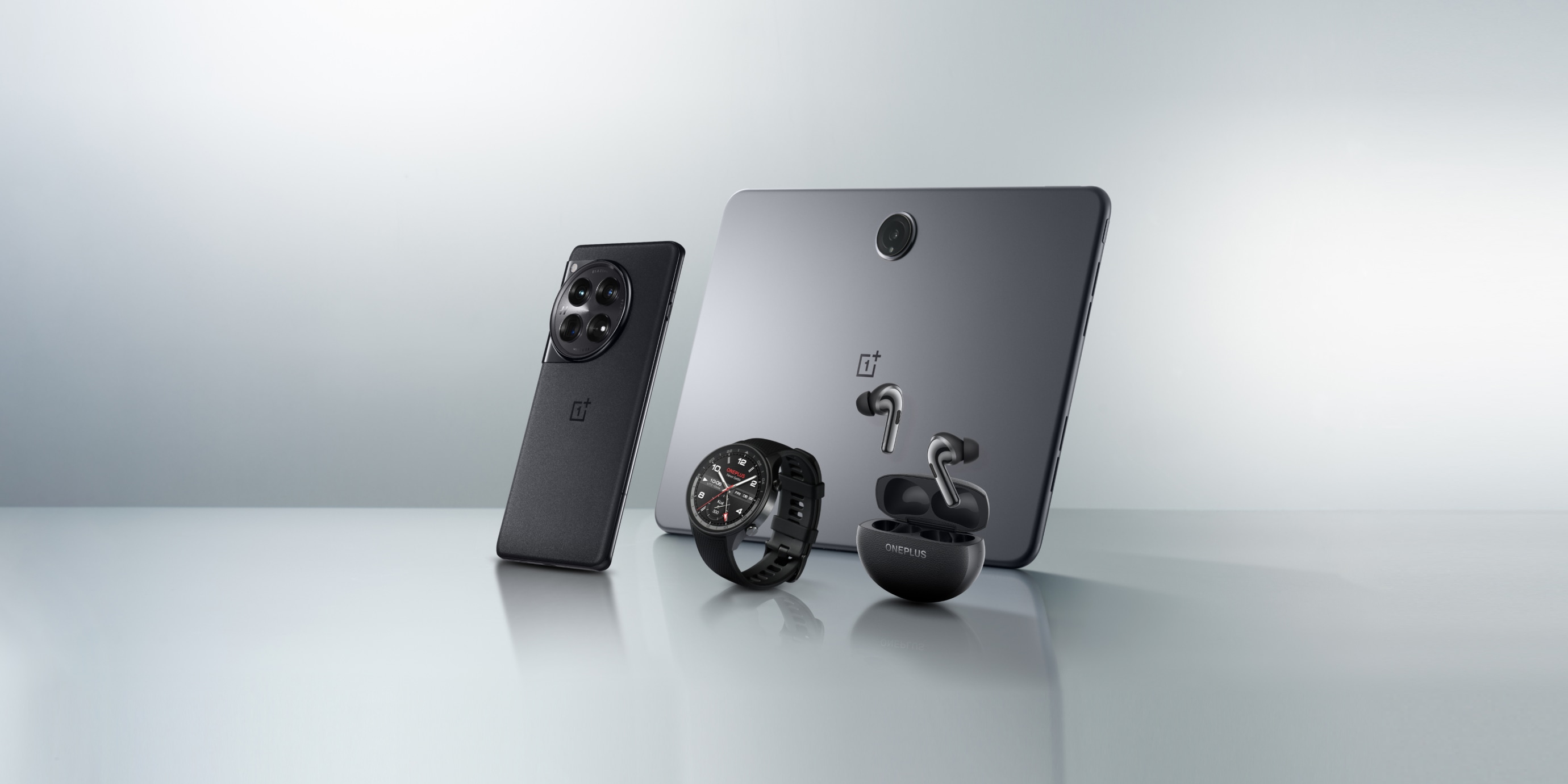
The Wearable Wars: How OnePlus Watch 4 Signals a Shift in Asia’s Smartwatch Ecosystem
By Connect Quest Artist | Technology & Market Analysis
The Smartwatch Market at a Crossroads
As global smartwatch shipments surpassed 150 million units in 2023 (up 12% YoY according to Counterpoint Research), the industry stands at a pivotal juncture where hardware innovation intersects with ecosystem lock-in strategies. The upcoming OnePlus Watch 4—leaked specifications of which reveal a calculated pivot toward health-centric features and cross-platform compatibility—represents more than just another wearable iteration. It embodies the aggressive maneuvering of Asian tech giants to challenge Apple’s 34% market dominance while navigating the complex terrain of regional consumer preferences and regulatory landscapes.
This analysis examines how OnePlus’s strategic positioning with its fourth-generation watch reflects broader trends in Asia’s wearable market: the convergence of fitness tracking with medical-grade health monitoring, the battle for developer mindshare in wearable apps, and the geopolitical undercurrents shaping technology adoption across the continent. The Watch 4’s rumored features—including advanced sleep apnea detection and blood glucose monitoring—aren’t merely technical upgrades but strategic responses to Asia’s aging populations and rising chronic disease burdens.
Asia’s Wearable Landscape: Growth Amidst Fragmentation
Key Market Data (2023):
- China accounts for 32% of global smartwatch shipments (IDC)
- India’s wearable market grew 47% YoY, fastest globally (Counterpoint)
- Southeast Asia’s smartwatch adoption lags at 18% penetration due to price sensitivity
- Health monitoring is the #1 purchase driver for 68% of Asian consumers (Nielsen)
The Three-Tier Market Structure
Asia’s wearable ecosystem operates across three distinct tiers, each presenting unique challenges and opportunities for OnePlus:
- Premium Segment (Apple/Garmin Dominance): In markets like Japan and South Korea, Apple Watch maintains >50% share among devices priced above $300. The Watch 4’s rumored $299 starting price positions it as a direct challenger, particularly with its alleged 100+ workout modes targeting fitness-obsessed urban professionals.
- Mid-Tier Battleground (Huawei/Xiaomi Stronghold): China’s domestic brands control 65% of the $150-$300 segment through aggressive localization. OnePlus’s oxygen saturation (SpO2) monitoring and stress tracking features appear designed to compete here, where health anxiety post-COVID remains elevated.
- Budget Segment (India/SEA Growth Engine): Below $150, Indian brands like Noise and Fire-Boltt captured 42% of 2023 sales. The Watch 4’s potential Lite variant could disrupt this space, leveraging OnePlus’s brand cachet among aspirational consumers.
[Market Share Distribution: Asia Pacific Smartwatch Vendors (2023)]
Note: Visual representation would show Apple (34%), Huawei (18%), Xiaomi (12%), Samsung (10%), Others (26%)
Decoding OnePlus’s Ecosystem Play
The Health Monitoring Arms Race
The Watch 4’s leaked health features—particularly its reported blood glucose trend monitoring (not medical-grade but directional) and sleep apnea detection with 93% claimed accuracy—reflect a calculated response to Asia’s demographic realities:
- China’s Diabetic Crisis: With 141 million diabetics (IDF 2023), the world’s largest diabetic population creates massive demand for non-invasive monitoring. Competitor Huawei’s TruSeen 5.0+ already offers similar features, making this a table-stakes capability.
- Japan’s Aging Society: 29% of Japan’s population is over 65, driving demand for fall detection and emergency SOS features—areas where Apple currently leads with its Watch Series 8’s crash detection.
- India’s Sleep Epidemic: A 2023 Philips survey found 72% of Indian urban professionals report poor sleep quality, creating fertile ground for the Watch 4’s rumored all-night SpO2 tracking and sleep stage analysis.
Case Study: Xiaomi’s Missteps in Health Tracking
Xiaomi’s Mi Watch Revolve Active (2021) faced regulatory hurdles in India when its SpO2 readings were challenged by health authorities for inconsistent accuracy. The incident highlights the compliance tightrope Asian wearables must walk—balancing aggressive health claims with medical device regulations that vary wildly across APAC markets. OnePlus’s decision to label its glucose monitoring as "trend tracking" rather than diagnostic appears a direct lesson from Xiaomi’s experience.
The Cross-Platform Gamble
Unlike Apple’s walled garden, the Watch 4’s rumored full Android/iOS compatibility represents a high-risk, high-reward strategy:
| Pros | Cons |
|---|---|
| Access to 1.2B Android users in Asia (Statista 2023) | Diluted user experience without deep OS integration |
| Potential to capture 28% of iPhone users in China who prefer local wearables (Newzoo) | Apple may restrict key iOS notifications (as with Fitbit) |
| Developer-friendly approach could attract local health app ecosystems | Fragmented app experience compared to watchOS |
This approach mirrors Oppo’s (OnePlus’s sister brand) strategy with its Watch 3 series, which saw 38% of its Chinese sales come from iPhone users—proving there’s demand for premium Android wearables among Apple phone owners in Asia.
Geopolitical and Regulatory Headwinds
China’s Data Localization Laws
The Watch 4’s health data collection intersects with China’s Personal Information Protection Law (PIPL), which mandates that health data must be stored on domestic servers. OnePlus’s parent company BBK Electronics already faced scrutiny in 2022 when its Realme subsidiary was found transferring Indian user data to Chinese servers. For the Watch 4, this means:
- Potential 6-12 month delays in international launches as data flows are restructured
- Additional $15-20 per unit compliance costs (Estimate: Counterpoint)
- Possible exclusion from government tenders in India and Vietnam
Southeast Asia’s 5G Synergy
The watch’s rumored eSIM support arrives as Southeast Asia’s 5G rollout accelerates:
5G Penetration in Key Markets (2023):
- Singapore: 85% coverage
- Thailand: 62% coverage (AIS/TrueMove)
- Indonesia: 38% coverage (Telkomsel)
- Vietnam: 22% coverage (Viettel)
The Watch 4’s standalone cellular capability could be a game-changer in Singapore and Thailand, where 5G wearable plans start at $8/month, but may face adoption barriers in Vietnam and the Philippines due to infrastructure gaps.
India’s PLI Incentives
India’s Production-Linked Incentive (PLI) scheme for wearables offers 4-6% cash incentives for local manufacturing. OnePlus’s decision to assemble the Watch 4 in its Greater Noida plant (alongside smartphones) could:
- Reduce landed costs by 12-15% through avoided import duties
- Qualify for $20-30M annual subsidies under PLI 2.0
- Mitigate supply chain risks from China-US tensions
However, local manufacturing requires 30% domestic value addition, which may force OnePlus to source lower-quality components for the Indian variant—potentially creating a two-tier product strategy.
How Competitors Will React
Huawei’s Counterplay
Huawei is expected to respond with its Watch Ultimate 2 (Q1 2025), likely featuring:
- HarmonyOS 4.0 with deeper health data integration
- Partnerships with 300+ Chinese hospitals for EHR syncing
- Under-display camera for video calls (targeting enterprise users)
Samsung’s Ecosystem Lock-in
Samsung’s response will likely focus on:
- Expanding Samsung Health partnerships with Asian insurers (e.g., AIA, Prudential)
- Leveraging Knox security for corporate wellness programs
- Aggressive bundling with Galaxy S24 series in India/Indonesia
Apple’s Services Play
Apple’s counterstrategy in Asia will probably emphasize:
- Expanding Apple Fitness+ with localized content (e.g., Bollywood workouts, K-pop dance)
- Deepening HealthKit integrations with Asian EHR systems
- Price adjustments for Apple Watch SE in emerging markets
The Psychology of Asian Wearable Adoption
Status Symbol vs. Health Utility
OnePlus’s challenge lies in navigating Asia’s dual wearable motivations:
[Consumer Motivation for Smartwatch Purchase (Asia Pacific 2023)]
Pie chart showing: Status/Social Signaling (35%), Health Monitoring (42%), Fitness Tracking (15%), Notifications (8%)
In Tier 1 Chinese cities (Beijing, Shanghai), 62% of smartwatch buyers cite status as a primary factor (McKinsey 2023), explaining why Apple maintains dominance despite premium pricing. Conversely, in India’s Tier 2 cities, 78% prioritize health features—creating an opening for OnePlus to position the Watch 4 as a "premium but practical" alternative.
The Replacement Cycle Paradox
Asian consumers replace smartwatches every 2.1 years on average (vs. 2.8 years globally), but:
- China: Fastest replacement cycle (1.8 years) due to aggressive trade-in programs
- Japan: Slowest (3.2 years) due to cultural emphasis on durability
- India: 2.5 years, but with 40% switching brands between purchases
This creates both opportunity and risk for OnePlus—the potential for rapid market penetration is high, but brand loyalty remains fragile without a compelling ecosystem.
Three Scenarios for OnePlus Watch 4’s Market Impact
Scenario 1: The Ecosystem Builder (30% probability)
Trigger: Successful integration with OnePlus Health platform and partnerships with Asian insurers (e.g., Ping An, AIA).
Outcome: Captures 12-15% market share in China/India within 18 months, becoming the #3 player behind Apple and Huawei.
Indicators:
- Developer adoption exceeds 5,000 apps in first year
- Enterprise wellness contracts with >500 Asian corporations
- Regulatory approvals for medical-grade features in 3+ markets
Scenario 2: The Niche Player (50% probability)
Trigger: Strong health features but weak app ecosystem leads to positioning as a "fitness-first" device.
Outcome: Achieves 6-8% market share, dominant among fitness enthusiasts but fails to challenge Apple/Huawei in general consumer market.
Indicators:
- Struggles to maintain >20% iOS user adoption
- Health data accuracy controversies emerge
- Price wars with Xiaomi/Realme in India
Scenario 3: The Commodity Trap (20% probability)
Trigger: Failure to differentiate leads to price-based competition.
Outcome: Margins compress below 15%, becomes another me-too Android wearable.
<