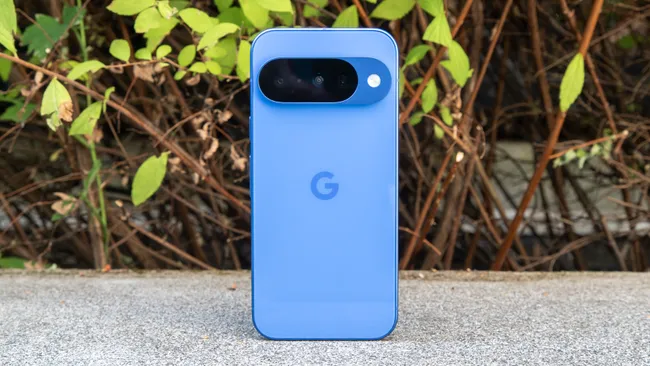
Google's Pixel 10a: A Study in Incremental Innovation
Introduction
The launch of the Google Pixel 10a signifies a pivotal moment in the tech giant's midrange smartphone strategy. Unlike its predecessors, which often boasted substantial hardware upgrades, the Pixel 10a focuses on incremental improvements and software enhancements. This shift is not merely a cost-cutting measure but a response to broader industry trends and economic pressures, particularly the escalating cost of memory components. For consumers, especially those in regions like Northeast India seeking affordable yet reliable smartphones, the Pixel 10a presents a compelling option that balances familiarity with innovation.
Main Analysis
The Evolution of Midrange Smartphones
The midrange smartphone market has long been a battleground for tech companies aiming to capture a broader consumer base. Over the years, this segment has seen significant advancements, from improved camera technology to more powerful processors. However, the pace of hardware innovation has slowed, partly due to the maturation of technology and partly due to economic constraints. The rising cost of memory components, exacerbated by global supply chain disruptions, has forced manufacturers to rethink their strategies.
Google's approach with the Pixel 10a is a case study in incremental innovation. Rather than introducing groundbreaking hardware features, Google has opted for subtle refinements and a greater emphasis on software. This strategy allows the company to maintain a competitive price point while still offering a device that meets the needs of budget-conscious consumers.
Software as the New Battleground
In the era of incremental hardware upgrades, software has emerged as the new battleground for smartphone manufacturers. The Pixel 10a exemplifies this trend, with Google leveraging its strengths in artificial intelligence and machine learning to enhance the user experience. The device comes equipped with the latest Android operating system, which includes a suite of new features designed to improve productivity and entertainment.
One of the standout software features is the enhanced camera capabilities. The Pixel 10a builds on Google's reputation for excellent smartphone photography, offering improved low-light performance and advanced image processing algorithms. These software enhancements allow the device to compete with more expensive models, providing users with high-quality photos and videos without the need for top-tier hardware.
Examples
Regional Impact: Northeast India
The Pixel 10a's focus on affordability and reliability makes it an attractive option for consumers in regions like Northeast India. This area has seen a surge in smartphone adoption, driven by increasing internet penetration and the growing demand for digital services. According to a report by the Internet and Mobile Association of India (IAMAI), the number of internet users in rural India is expected to reach 350 million by 2025, highlighting the potential market for budget-friendly smartphones.
For consumers in Northeast India, the Pixel 10a offers a blend of familiar features and new capabilities. The device's durable design, with its Gorilla Glass 7i protection, is well-suited to the region's varied climatic conditions. Additionally, the improved battery life and charging speeds address a common pain point for users in areas with unreliable power supply.
Practical Applications
The Pixel 10a's software enhancements have practical applications that can significantly improve the user experience. For instance, the device's advanced camera features can be particularly useful for small business owners looking to create high-quality content for social media marketing. The improved low-light performance allows users to capture clear images in challenging lighting conditions, while the image processing algorithms ensure that photos and videos are of professional quality.
Moreover, the Pixel 10a's productivity features, such as the enhanced Google Assistant and improved multitasking capabilities, can benefit students and professionals alike. The device's integration with Google's ecosystem of services, including Gmail, Google Docs, and Google Meet, makes it a versatile tool for both work and study. For students in Northeast India, the Pixel 10a can serve as a valuable educational resource, providing access to online learning platforms and digital textbooks.
Conclusion
The Google Pixel 10a represents a strategic shift in the midrange smartphone market, emphasizing incremental hardware upgrades and significant software enhancements. This approach not only addresses the economic challenges faced by the industry but also caters to the evolving needs of consumers. For regions like Northeast India, the Pixel 10a offers a reliable and affordable option that can drive digital inclusion and economic growth.
As the smartphone market continues to evolve, it is likely that other manufacturers will follow Google's lead, focusing on software innovation to differentiate their products. This trend underscores the importance of software in the modern tech landscape, where hardware alone is no longer enough to stay competitive. For consumers, this shift promises a future where smartphones are not just tools for communication but powerful devices that enhance every aspect of daily life.