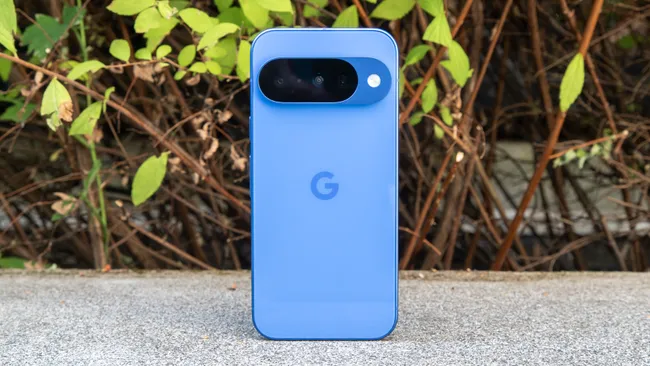
Google Pixel 10a: A Paradigm Shift in Smartphone Design and Performance
Introduction
The smartphone industry has witnessed a rapid evolution over the past decade, with each new release promising to outdo its predecessors in terms of design, performance, and user experience. Google, a titan in the tech industry, has consistently pushed the boundaries of innovation with its Pixel series. The recently announced Google Pixel 10a is no exception, poised to redefine the standards of smartphone design and performance. This analysis delves into the broader implications of the Pixel 10a's innovative features, exploring how it could shape the future of the smartphone market and its impact on regional economies and consumer behavior.
Main Analysis
The Evolution of Smartphone Design
The Google Pixel 10a introduces a revolutionary bumpless design, a significant departure from the traditional camera bump seen in most smartphones. This design innovation is not merely aesthetic; it addresses a long-standing issue of comfort and ergonomics. The bumpless design provides a sleeker, more comfortable grip, enhancing the overall user experience. This shift could influence other manufacturers to rethink their design philosophies, potentially leading to a new era of ergonomic smartphone designs.
Historically, smartphone design has evolved from bulky, brick-like devices to sleek, thin profiles. The introduction of the camera bump was a necessary evil to accommodate advanced camera technology. However, the Pixel 10a's bumpless design suggests that technological advancements have reached a point where functionality and aesthetics can coexist harmoniously. This could have broader implications for the industry, pushing manufacturers to invest more in research and development to achieve similar design feats.
Performance and Efficiency: The Tensor G4 Chip
The Google Pixel 10a is rumored to feature the Tensor G4 chip, a significant upgrade from its predecessors. This new chip promises enhanced processing power and efficiency, making the Pixel 10a a formidable competitor in the market. The Tensor G4 chip is designed to handle complex tasks with ease, from high-end gaming to advanced AI applications. This could attract a wider range of users, including professionals who rely on their smartphones for work-related tasks.
The importance of a powerful processor in a smartphone cannot be overstated. With the increasing demand for AI-driven applications and high-performance gaming, a robust processor is essential. The Tensor G4 chip's efficiency could also have environmental implications, as more efficient processors consume less energy, contributing to longer battery life and reduced carbon footprint. This aligns with the growing global trend towards sustainability and energy efficiency in technology.
Regional Impact and Consumer Behavior
The launch of the Google Pixel 10a could have significant regional impacts, particularly in markets where Google has a strong presence. For instance, in the United States, where Google's ecosystem of services is deeply integrated into daily life, the Pixel 10a could see high adoption rates. This could drive economic growth in the tech sector, creating jobs and stimulating innovation.
In emerging markets like India and Southeast Asia, the Pixel 10a's advanced features could attract tech-savvy consumers looking for high-performance devices at competitive prices. Google's strategy of offering premium features at mid-range prices could disrupt the market, forcing competitors to reevaluate their pricing strategies. This could lead to a more competitive market, benefiting consumers with better value for money.
Consumer behavior is also likely to be influenced by the Pixel 10a's innovative features. The bumpless design and powerful Tensor G4 chip could set new expectations for smartphone design and performance, driving demand for similar features in future devices. This could prompt other manufacturers to innovate, leading to a cycle of continuous improvement in the smartphone industry.
Examples and Case Studies
The Rise of Ergonomic Design
The importance of ergonomic design in technology is exemplified by the success of products like the Apple iPhone. Apple's focus on user experience and ergonomics has been a key factor in its market dominance. The Pixel 10a's bumpless design could follow a similar trajectory, appealing to users who prioritize comfort and aesthetics. For instance, the iPhone's sleek design and intuitive user interface have set a benchmark for the industry, driving other manufacturers to improve their design standards.
A real-world example of the impact of ergonomic design can be seen in the gaming industry. Gaming peripherals, such as ergonomic keyboards and mice, have become increasingly popular due to their ability to enhance user comfort and performance. The Pixel 10a's bumpless design could have a similar effect in the smartphone market, attracting users who spend long hours on their devices and value ergonomic features.
The Role of Powerful Processors in AI and Gaming
The Tensor G4 chip's advanced processing capabilities could open up new possibilities for AI applications and gaming. For instance, AI-driven features like real-time language translation and advanced photo editing tools could become more accessible and efficient. In the gaming sector, the powerful processor could support high-end games with complex graphics and real-time multiplayer features, enhancing the overall gaming experience.
A case study of the impact of powerful processors can be seen in the success of gaming smartphones like the ASUS ROG Phone series. These devices, equipped with high-performance processors, have gained a dedicated following among gamers due to their ability to handle demanding games with ease. The Pixel 10a's Tensor G4 chip could attract a similar demographic, positioning it as a strong contender in the gaming smartphone market.
Conclusion
The Google Pixel 10a represents a significant leap forward in smartphone design and performance. Its bumpless design and powerful Tensor G4 chip set new benchmarks for the industry, influencing consumer expectations and driving innovation. The broader implications of these features extend beyond the smartphone market, impacting regional economies, consumer behavior, and environmental sustainability.
As the tech industry continues to evolve, the Pixel 10a serves as a testament to Google's commitment to innovation and user experience. Its impact on the market is likely to be profound, shaping the future of smartphone design and performance. For consumers, the Pixel 10a offers a glimpse into what the future holds, promising a new era of ergonomic, high-performance devices that cater to a wide range of needs and preferences.
In conclusion, the Google Pixel 10a is more than just a new smartphone; it is a catalyst for change in the tech industry. Its innovative features and powerful performance set a new standard for smartphones, driving competition and innovation. As the market evolves, the Pixel 10a's impact will be felt across various sectors, from design and manufacturing to consumer behavior and regional economies. The future of smartphones looks bright, and the Pixel 10a is leading the way.