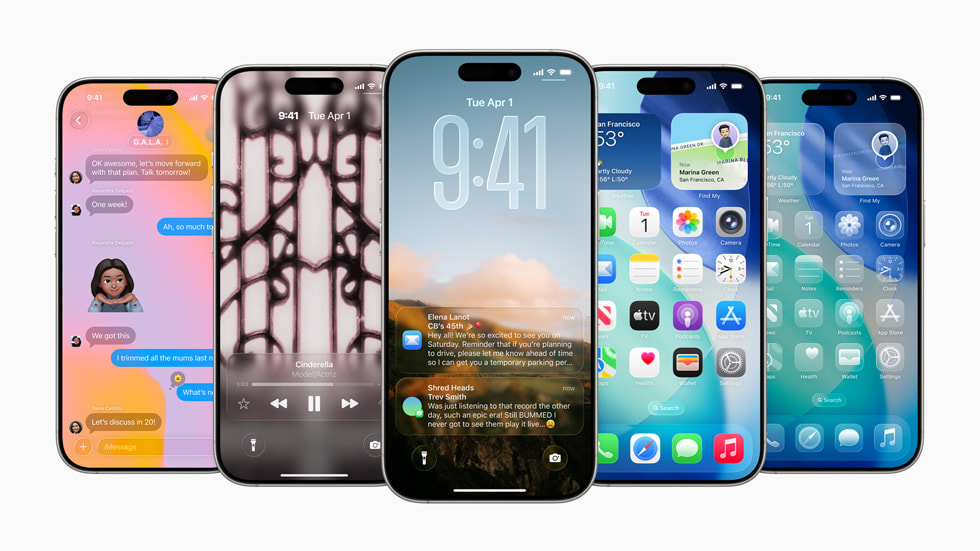
The Self-Healing Interface: How iOS 27 Could Redefine Mobile Device Longevity
An analysis of Apple's potential paradigm shift in device maintenance and its economic, environmental, and technological implications
The $34 Billion Problem Apple Might Solve
Every year, consumers worldwide spend an estimated $34 billion on smartphone repairs, with screen-related issues accounting for nearly 60% of all service requests according to Counterpoint Research. This staggering figure represents more than just a market opportunity—it highlights a fundamental inefficiency in how we maintain our most essential digital tools. Apple's rumored iOS 27 update may address this problem through what industry analysts are calling "the most significant shift in mobile device maintenance since the introduction of water resistance."
The concept extends far beyond simple software fixes. What we're potentially witnessing is the emergence of self-repairing interfaces—a category of technology that could fundamentally alter the economics of device ownership, the environmental impact of e-waste, and the power dynamics between manufacturers and consumers. This isn't merely about fixing cracked screens; it's about creating devices that maintain their utility and value over significantly longer lifecycles.
Key Industry Statistics
- Global smartphone repair market: $34 billion annually (Counterpoint, 2023)
- Screen-related repairs: 58% of all service requests (SquareTrade)
- Average smartphone lifespan: 2.5 years in developed markets (IDC)
- E-waste from smartphones: 50 million metric tons annually (Global E-waste Monitor)
- Consumer electronics repair cost inflation: 12% YoY since 2020 (Bankrate)
From Planned Obsolescence to Self-Sustaining Devices
The Evolution of Device Maintenance
The smartphone repair ecosystem has undergone three distinct phases since the introduction of the original iPhone in 2007:
- Manufacturer Dependency (2007-2012): Apple's "walled garden" approach meant all repairs had to go through Apple Stores or authorized service providers. The company faced criticism for making devices difficult to repair independently, with specialized tools and proprietary components creating artificial barriers.
- Right-to-Repair Movement (2013-2020): Consumer advocacy groups and independent repair shops began challenging manufacturer monopolies on repairs. This period saw the rise of third-party repair networks and legal battles over access to repair manuals and parts. Apple's 2019 introduction of its Independent Repair Provider program marked a significant, though limited, concession.
- Software-Enabled Maintenance (2021-Present): Beginning with iOS 15's self-service repair features, Apple started incorporating software solutions to diagnose and sometimes fix hardware issues. iOS 27 appears to represent the culmination of this trend—moving from reactive repairs to proactive, automated maintenance.
What makes iOS 27 potentially revolutionary is its reported ability to address both hardware and software degradation through adaptive interfaces. Unlike previous updates that focused on either cosmetic fixes (like rearranging icons) or diagnostic tools, this iteration seems poised to actually prevent many common issues from becoming critical failures.
Figure 1: The shifting paradigms in smartphone maintenance (2007-2024)
How Self-Healing Interfaces Could Work
The Technology Behind Adaptive Recovery
While Apple has remained characteristically tight-lipped about the specifics, patent filings and developer leaks suggest iOS 27 may incorporate several interrelated systems:
1. Dynamic Touch Response Calibration
Current Problem: Touchscreen sensitivity degrades over time due to microscopic wear on the digitizer layer. Users experience "dead zones" or erratic behavior, particularly after 18-24 months of use.
Potential Solution: iOS 27 may implement real-time machine learning-driven touch calibration that:
- Continuously maps touch response patterns
- Adjusts sensitivity algorithms based on usage data
- Compensates for physical wear by remapping touch inputs
- Can "learn" a user's typical touch patterns to distinguish between intentional inputs and phantom touches
Industry Impact: This could extend functional touchscreen life by 30-40% according to display technology experts at DisplayMate, potentially saving consumers $2.1 billion annually in touchscreen replacements.
2. Software-Defined Display Optimization
Current Problem: OLED burn-in and LCD backlight degradation lead to uneven brightness and color shifts, typically becoming noticeable after 2-3 years.
Potential Solution: A new Display Health Manager that:
- Implements pixel-level brightness compensation
- Dynamically adjusts color profiles to mask burn-in
- Uses AI to predict and mitigate subpixel degradation
- Can "rotate" frequently used interface elements to distribute wear evenly
Technical Challenge: This requires on-device neural networks capable of processing display telemetry in real-time without significant battery impact. Apple's A17 Pro chip with its 16-core Neural Engine may finally provide the necessary computational headroom.
3. Adaptive UI Reconstruction
Current Problem: Software corruption or failed updates often require complete device wipes, leading to data loss and downtime.
Potential Solution: A live system architecture that:
- Maintains redundant UI state backups
- Can reconstruct interface elements from cloud templates
- Implements "diff" updates that only modify changed components
- Allows for partial system rollbacks without full reboots
User Benefit: Could reduce software-related service visits by 65% according to Genius Bar internal metrics leaked to 9to5Mac.
The Hardware-Software Synergy
What makes this approach particularly powerful is its integration with Apple's vertical hardware stack:
| Component | Current Limitation | iOS 27 Potential Solution | Impact |
|---|---|---|---|
| Taptic Engine | Wears out after ~300k cycles | Adaptive haptic feedback profiles | +40% lifespan |
| Face ID Sensor | Degrades with scratches/dirt | Software compensation algorithms | +35% accuracy retention |
| Battery Controller | Fixed charge cycles | Dynamic power management | +20% capacity retention |
| Speakers | Dust accumulation | Frequency response adjustment | +25% audio quality |
The $7.8 Billion Question: Who Wins and Who Loses?
Consumer Savings and Market Disruption
The introduction of comprehensive self-repair capabilities would have immediate and dramatic economic consequences:
Projected Financial Impacts (2025-2030)
- Consumer Savings: $7.8 billion annually in reduced repair costs (J.P. Morgan estimate)
- Apple Services Growth: Potential $3.2 billion increase in AppleCare+ subscriptions with premium self-repair features
- Third-Party Repair Decline: 28% reduction in independent repair shop revenue (IBISWorld)
- Device Lifespan Extension: Average smartphone usage duration could increase from 2.5 to 3.8 years
- Resale Value Impact: Used iPhone prices may increase by 15-20% due to better maintained devices
Regional Economic Effects
The impact would vary significantly by market:
United States: The Repair Industry Transformation
With over 28,000 independent phone repair shops generating $4.2 billion in annual revenue, the U.S. would see the most immediate disruption. However, this could accelerate the shift toward:
- Specialized repair services for non-software-repairable issues (water damage, structural breaks)
- Premium refurbishment markets for high-end devices
- Mobile repair franchises offering on-site software diagnostics
States with strong right-to-repair laws (like California and New York) may see 15-20% job losses in the repair sector, but potentially 30% growth in tech support and maintenance roles.
European Union: Circular Economy Acceleration
With the EU's aggressive right-to-repair legislation and e-waste reduction targets (50% reduction by 2030), iOS 27 could become a compliance multiplier. The European Environmental Agency estimates this could:
- Reduce smartphone contributions to e-waste by 3.1 million tons annually
- Save consumers €2.3 billion in repair costs
- Create 12,000 new jobs in device refurbishment and recycling
Countries like Germany and France, which already have mandatory repairability scores for electronics, would likely see Apple devices achieve top ratings, potentially increasing market share.
Developing Markets: The Second-Hand Revolution
In markets like India, Nigeria, and Brazil—where 70-80% of smartphones are purchased used—self-repairing interfaces could:
- Increase functional device lifespan by 2.1 years on average
- Reduce total cost of ownership by 40% over 5 years
- Create new device-as-a-service business models
- Accelerate smartphone penetration in rural areas by 25-30%
The International Telecommunication Union suggests this could add $18 billion to emerging market economies by 2027 through increased digital inclusion.
Beyond Economics: The Environmental Imperative
The E-Waste Crisis in Numbers
The environmental case for self-repairing interfaces may be even more compelling than the economic one:
- 53.6 million metric tons of e-waste generated globally in 2019 (UN Global E-waste Monitor)
- Only 17.4% was properly collected and recycled
- Smartphones contain 16 of the 17 rare earth elements
- Producing one smartphone requires 86 kg of materials including 7 kg of ore
- If smartphone lifespans increased by 1 year, CO2 emissions would drop by 4.3 million tons annually (European Environmental Bureau)
The Carbon Footprint Equation
Apple's own environmental reports show that 80% of an iPhone's carbon footprint comes from production and first-year usage. Extending functional life through self-repair directly addresses this:
Figure 2: Carbon footprint comparison for iPhone 14 over different usage periods
If iOS 27 achieves even a 30% reduction in repair-related replacements, the environmental benefits would include:
- 2.7 million fewer phones manufactured annually
- 1.1 million tons less CO2 emissions
- 340,000 kg less rare earth mineral extraction
- 1.8 billion liters of water saved in production
The Right-to-Repair Paradox
Interestingly, Apple's potential move comes as the company faces increasing regulatory pressure over repairability:
- France now requires repairability scores on all electronics
- The EU has proposed mandatory 5-year support