Apple's Leadership Transition: Implications for Global Tech and Regional Markets
Introduction
The tech industry is on the cusp of a significant shift as Apple, one of the world's most influential companies, prepares for a leadership transition. Tim Cook, who has been at the helm since 2011, will step down in September 2026, passing the baton to John Ternus, a veteran in hardware engineering. This change comes at a critical juncture for Apple, which has grown into a $3 trillion giant under Cook's leadership. The transition raises questions about the future direction of the company and its impact on global tech trends and regional markets, particularly in areas like Northeast India, where Apple's ecosystem has become integral to digital entrepreneurship.
Main Analysis
The Legacy of Tim Cook
Tim Cook's tenure at Apple has been marked by unprecedented growth and diversification. When he took over from Steve Jobs in 2011, Apple was already a dominant player in the tech industry. However, under Cook's leadership, the company has expanded its reach into new sectors such as wearable technology and digital payments. This diversification has been a key factor in Apple's transformation into a $3 trillion behemoth. Cook's focus on services, which now generate over $100 billion in revenue, has been particularly noteworthy. This strategic pivot has not only bolstered Apple's financial performance but also insulated the company from the volatility of the hardware market.
Cook's leadership has also been characterized by a strong emphasis on corporate social responsibility. Under his watch, Apple has made significant strides in environmental sustainability and supply chain ethics. The company has committed to becoming carbon neutral by 2030 and has implemented robust policies to ensure fair labor practices in its supply chain. These initiatives have enhanced Apple's brand reputation and resonated with a growing segment of consumers who prioritize ethical considerations in their purchasing decisions.
The Ascension of John Ternus
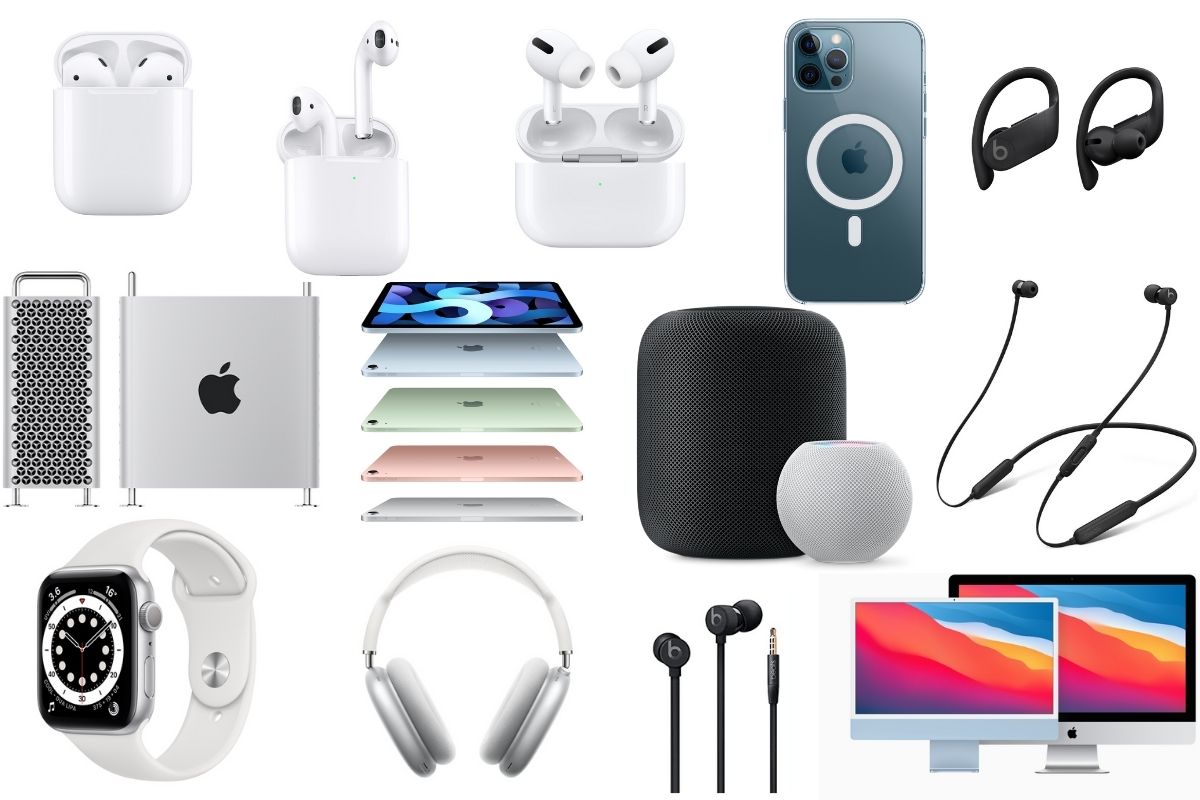
John Ternus, the incoming CEO, brings a different set of strengths to the table. With a career spanning over 25 years in product design and engineering, Ternus is poised to lead Apple into a new era of hardware innovation. His appointment signals a strategic shift for the company, which has historically balanced hardware and software developments. Ternus's expertise is evident in some of Apple's most iconic devices, including the iPad and Mac lines. His role in redesigning the iPad Pro, for instance, has been instrumental in aligning Apple's tablets with professional workflows, a move that has expanded the device's utility beyond consumer markets.
Ternus's focus on hardware innovation is likely to have far-reaching implications for the tech industry. As Apple continues to push the boundaries of what is possible with hardware, competitors will be compelled to innovate in response. This dynamic could spur a new wave of technological advancements, benefiting consumers and driving growth across the sector. Furthermore, Ternus's engineering background suggests a renewed emphasis on product quality and user experience, which could further cement Apple's reputation for excellence in design and functionality.
Examples and Regional Impact
Global Tech Trends
The leadership transition at Apple is expected to influence global tech trends in several ways. Firstly, the increased focus on hardware innovation could accelerate the development of new technologies such as augmented reality (AR) and virtual reality (VR). Apple has already made significant investments in AR, and under Ternus's leadership, these efforts are likely to intensify. The potential applications of AR and VR are vast, ranging from education and healthcare to entertainment and remote work. As Apple leads the charge in these areas, other tech companies are likely to follow suit, driving a broader adoption of these technologies.
Secondly, the transition could impact the competitive landscape in the Asian market, where Apple faces increasing competition from local players like Huawei and Samsung. Ternus's emphasis on hardware innovation could help Apple maintain its edge in this highly competitive market. However, the company will also need to navigate regulatory pressures and supply chain challenges, which have become more pronounced in recent years. Apple's ability to manage these issues will be crucial in determining its success in the Asian market.
Regional Impact: Northeast India
For regions like Northeast India, the leadership transition at Apple could have significant implications. Apple's ecosystem, including iPhones and developer tools, has quietly become a backbone for digital entrepreneurship in the region. The transition could signal shifts in product accessibility and pricing strategies, which could affect local entrepreneurs and consumers. For instance, if Apple increases its focus on high-end hardware, it could make its products less accessible to price-sensitive markets like Northeast India. Conversely, if the company adopts a more aggressive pricing strategy to compete with local players, it could open up new opportunities for digital entrepreneurship in the region.
Moreover, the transition could have implications for local job markets tied to Apple's global operations. As Apple continues to expand its manufacturing and supply chain operations, it could create new job opportunities in regions like Northeast India. However, the company will need to navigate local regulatory environments and labor market dynamics to fully realize this potential. Overall, the leadership transition at Apple presents both opportunities and challenges for regions like Northeast India, underscoring the interconnected nature of the global tech industry.
Conclusion
The upcoming leadership transition at Apple marks a pivotal moment for the company and the global tech industry. As Tim Cook steps down, he leaves behind a legacy of unprecedented growth and diversification. His successor, John Ternus, brings a wealth of experience in hardware engineering, signaling a strategic shift for the company. The transition is expected to influence global tech trends, particularly in areas like AR and VR, and could have significant implications for regional markets like Northeast India. As Apple navigates this transition, its ability to innovate and adapt will be crucial in determining its future success and impact on the broader tech landscape.