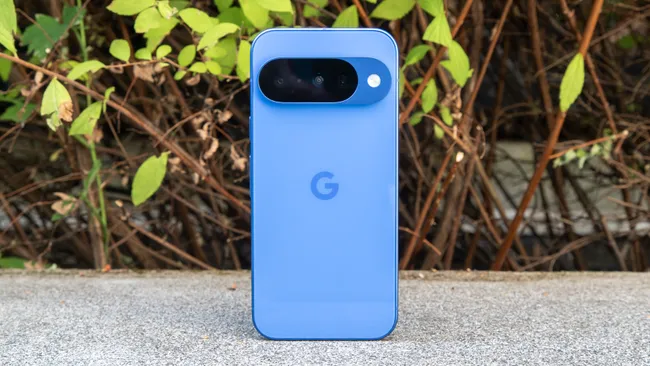
The AI Revolution: How Adaptive Hardware is Transforming the Smartphone Landscape
In the rapidly evolving world of technology, the smartphone industry has consistently been at the forefront of innovation. The introduction of AI-powered adaptive hardware is set to redefine the boundaries of what smartphones can achieve. This analysis delves into the broader implications of this technological shift, using the anticipated Google Pixel 11 as a case study to explore how AI integration could revolutionize the smartphone experience.
Introduction: The Evolution of Smartphone Technology
The smartphone has come a long way since its inception. From the early days of the iPhone and Android devices, the focus has primarily been on improving processing power, display quality, and camera capabilities. However, the integration of artificial intelligence (AI) is poised to take smartphone innovation to the next level. AI-powered adaptive hardware promises to create devices that can learn, adapt, and optimize their performance based on user behavior and environmental conditions.
Main Analysis: The Role of AI in Adaptive Hardware
AI-powered adaptive hardware represents a significant leap forward in smartphone technology. Traditional smartphones rely on pre-programmed algorithms and static hardware configurations. In contrast, adaptive hardware can dynamically adjust its settings and performance based on real-time data and user interactions. This capability is made possible by the integration of machine learning algorithms that can analyze vast amounts of data and make predictive adjustments.
One of the key advantages of AI-powered adaptive hardware is its ability to optimize battery life. By learning from user behavior, the hardware can allocate resources more efficiently, reducing power consumption during periods of low activity and maximizing performance during high-demand tasks. This dynamic resource allocation can result in significant improvements in battery life, a critical factor for users who rely on their smartphones for extended periods.
Another area where AI-powered adaptive hardware excels is in camera technology. Modern smartphones are equipped with advanced camera systems that can capture high-quality images and videos. However, the integration of AI can take this a step further by enabling real-time image processing and enhancement. For example, AI algorithms can analyze the scene being captured and automatically adjust settings such as exposure, focus, and color balance to produce the best possible image. This level of automation and optimization can make professional-quality photography accessible to everyday users.
Examples: Google Pixel 11 and Beyond
The upcoming Google Pixel 11 is expected to be a pioneer in the realm of AI-powered adaptive hardware. Google has long been at the forefront of AI research and development, and the Pixel series has consistently showcased the company's advancements in this field. The Pixel 11 is rumored to feature a range of AI-driven enhancements, including advanced camera capabilities, improved battery management, and personalized user experiences.
One of the standout features of the Pixel 11 is likely to be its camera system. Building on the success of previous Pixel models, the Pixel 11 is expected to incorporate AI-powered image processing that can adapt to various lighting conditions and subject movements. This adaptability can result in sharper, more vibrant images and videos, even in challenging environments. For instance, the AI algorithms can detect low-light conditions and automatically adjust the camera settings to capture brighter, clearer images without the need for manual intervention.
Battery management is another area where the Pixel 11 is set to shine. By leveraging AI, the device can learn from the user's daily routines and optimize battery usage accordingly. For example, if the user typically checks social media apps during their commute, the AI can allocate more resources to these apps during that time, ensuring a smoother experience. Conversely, during periods of low activity, such as overnight, the AI can reduce power consumption to conserve battery life. This dynamic adjustment can lead to longer battery life and a more reliable user experience.
Beyond the Pixel 11, other smartphone manufacturers are also exploring the potential of AI-powered adaptive hardware. Companies like Apple, Samsung, and Huawei are investing heavily in AI research and development, aiming to integrate similar technologies into their future devices. This competitive landscape is driving rapid advancements in the field, with each company striving to outdo the other in terms of innovation and user experience.
Conclusion: The Future of Smartphone Innovation
The integration of AI-powered adaptive hardware represents a significant milestone in the evolution of smartphone technology. By enabling devices to learn, adapt, and optimize their performance based on real-time data, AI is set to redefine the boundaries of what smartphones can achieve. The anticipated Google Pixel 11 serves as a compelling example of this technological shift, showcasing the potential benefits of AI integration in areas such as camera technology and battery management.
As the smartphone industry continues to evolve, the role of AI is only set to grow. With advancements in machine learning algorithms and hardware capabilities, future devices are likely to become even more intelligent and adaptable. This trend has broader implications for the technology industry as a whole, as AI-powered adaptive hardware could be applied to a wide range of devices and applications, from wearable technology to smart home systems.
For consumers, the benefits of AI-powered adaptive hardware are clear. Enhanced battery life, improved camera capabilities, and personalized user experiences are just a few of the advantages that this technology can offer. As smartphones become increasingly integrated into our daily lives, the ability to adapt and optimize their performance based on individual needs and preferences will become ever more valuable.
In conclusion, the AI revolution in smartphone technology is well underway, and the introduction of adaptive hardware is set to accelerate this trend. The Google Pixel 11, with its anticipated AI-driven enhancements, serves as a compelling case study for the potential of this technology. As the industry continues to innovate, the future of smartphone technology looks brighter and more intelligent than ever before.