Apple's Leadership Transition: Global Implications and Regional Impact
Introduction
The announcement of Tim Cook's transition from CEO to Executive Chairman at Apple, effective September 2026, marks a significant turning point for the tech giant. This shift not only signifies the end of an era but also heralds a new chapter filled with uncertainty and potential. As the most valuable company globally, Apple's leadership change sends ripples through global markets, supply chains, and consumer expectations. This analysis delves into the broader implications of this transition, focusing on the strategic priorities, innovation trajectories, and the impact on regions like North East India.
Main Analysis: The Legacy of Tim Cook and the Future Trajectory
Tim Cook's 15-year tenure at Apple has been nothing short of transformative. Under his leadership, the company's revenue tripled, its market capitalization surged past $3 trillion, and its products became integral to the daily lives of over a billion people worldwide. Cook's emphasis on vertical integration—designing proprietary chips, controlling the supply chain, and ensuring seamless hardware-software synergy—has been a cornerstone of Apple's success.
The transition to John Ternus as CEO and Johny Srouji as Chief Hardware Officer indicates a continuation of this strategy. Ternus, a 25-year Apple veteran with extensive experience in hardware engineering, and Srouji, known for his innovative chip designs, are poised to drive Apple's next phase of growth. Their appointments suggest that Apple will double down on its strengths in hardware innovation, particularly in wearables and AI-driven devices.
Examples: Innovation in Hardware and AI
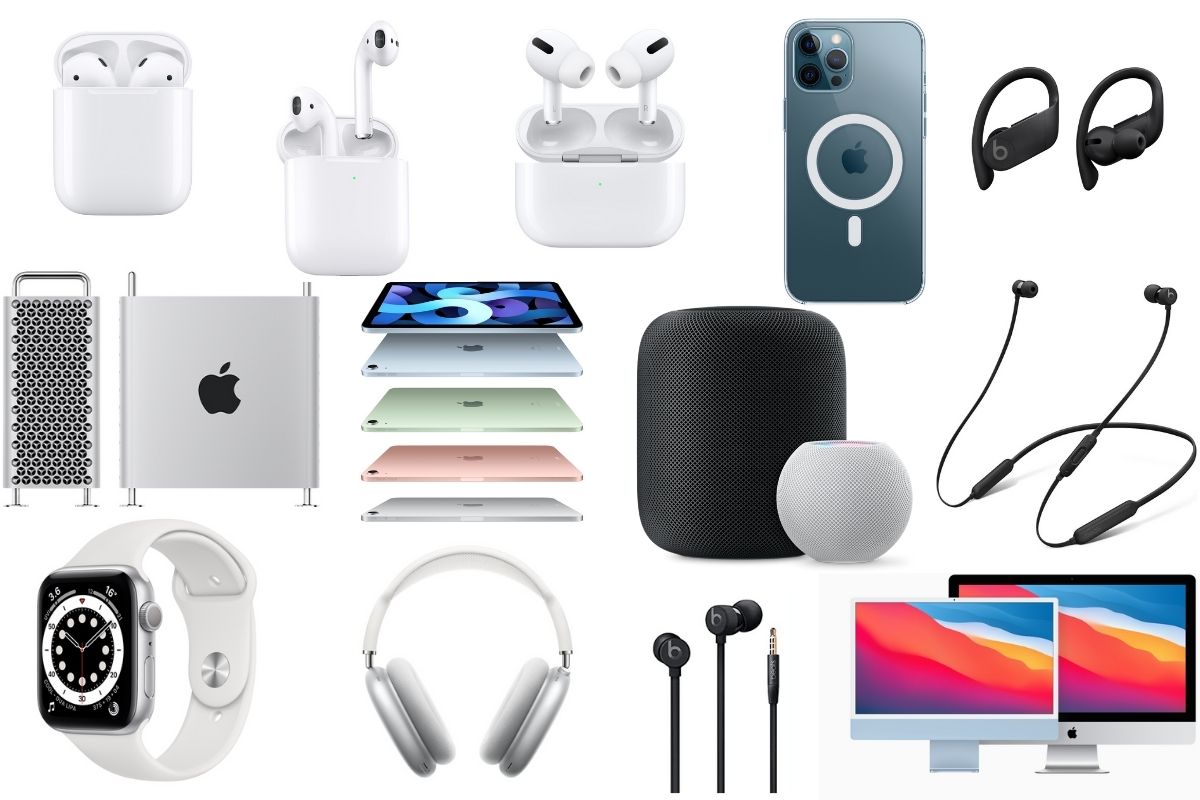
Apple's focus on wearables and AI-driven devices is evident in its recent product launches. The Apple Watch, for instance, has evolved from a luxury accessory to a critical health monitoring tool, with features like ECG and blood oxygen tracking. The AirPods, once a simple wireless earbud, now incorporate spatial audio and advanced noise-cancellation technologies. These innovations highlight Apple's commitment to integrating cutting-edge technology into everyday products.
In the realm of AI, Apple's investments in machine learning and neural engines have enhanced the capabilities of its devices. The A15 Bionic chip, for example, powers the iPhone 13 series with advanced computational photography and augmented reality features. These advancements are not just about technological prowess but also about creating a seamless user experience that sets Apple apart from its competitors.
Regional Impact: North East India and Beyond
For regions like North East India, where digital literacy and smartphone penetration are on the rise, Apple's leadership transition holds particular significance. The region has seen a steady growth in Apple's ecosystem, especially among young professionals and creatives. However, infrastructure gaps and economic disparities present unique challenges.
Apple's next chapter could either deepen its accessibility in these regions or reinforce its premium positioning. The company's focus on vertical integration and hardware innovation could lead to more affordable product lines, making high-quality technology accessible to a broader audience. Alternatively, Apple might continue to cater to the high-end market, leveraging its brand prestige and technological superiority.
The impact of this transition extends beyond North East India. Global supply chains, which have been meticulously cultivated under Cook's leadership, will need to adapt to the new strategic priorities. Suppliers and manufacturers will have to align with Apple's continued emphasis on sustainability and ethical sourcing, which could drive industry-wide changes in production practices.
Conclusion
Tim Cook's transition from CEO to Executive Chairman at Apple is more than just a leadership change; it is a pivotal moment that will shape the future of technology and consumer electronics. The appointments of John Ternus and Johny Srouji signal a continued focus on hardware innovation and vertical integration, which could have far-reaching implications for global markets and regional economies.
For North East India and similar regions, the transition presents both opportunities and challenges. The potential for more accessible technology could bridge digital divides, while the reinforcement of premium positioning could widen economic disparities. As Apple embarks on this new journey, the world watches with anticipation, eager to see how the tech giant will navigate the complexities of the modern digital landscape.