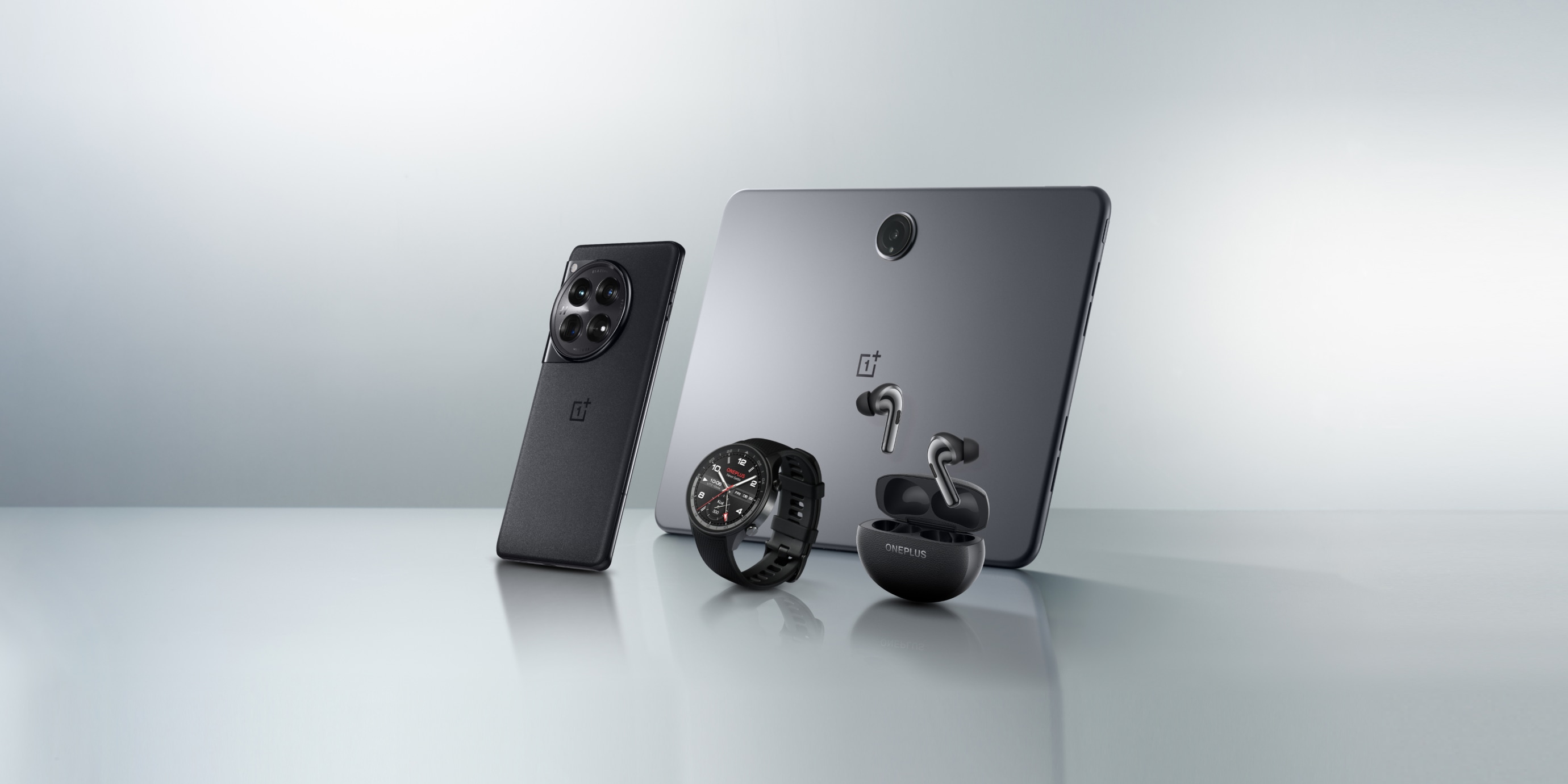
The Wearable Revolution: How Premium Smartwatches Are Redefining Consumer Technology in Emerging Markets
In the quiet before dawn, as mist clings to the hills of Meghalaya, a group of trail runners adjust their gear before embarking on a 30-kilometer route through the Khasi Hills. Among their essential equipment—a hydration pack, energy gels, and a smartphone—one item stands out for its growing importance: a smartwatch. Not just any smartwatch, but one built to withstand the rigors of outdoor adventure while providing real-time health metrics that could mean the difference between a successful training session and a medical emergency.
This scene, repeated across India's diverse landscapes from the Western Ghats to the Himalayan foothills, illustrates the evolving role of wearable technology in modern life. The recent introduction of the OnePlus Watch 4, with its titanium construction and advanced Wear OS 6 platform, represents more than just another product launch. It signals a fundamental shift in how consumers interact with technology, how manufacturers approach product development, and how emerging markets like India are becoming testing grounds for global innovation.
The Indian smartwatch market, valued at $1.2 billion in 2023, is projected to grow at a compound annual growth rate (CAGR) of 27% through 2027, according to Counterpoint Research. This explosive growth isn't merely about volume—it reflects changing consumer expectations. Where once basic step counting and heart rate monitoring sufficed, users now demand medical-grade accuracy, military-grade durability, and seamless integration with other digital ecosystems.
The Material Science Revolution: Why Titanium Matters Beyond Aesthetics
The OnePlus Watch 4's most visible innovation—its Grade 5 titanium construction—represents a convergence of aerospace engineering and consumer electronics. Titanium isn't new to high-end devices; Apple popularized its use in the Apple Watch Ultra series, and Garmin has long employed it in its premium multisport watches. However, OnePlus's implementation offers valuable insights into the broader trends shaping wearable technology.
The Physics of Durability: Understanding Titanium's Advantages
Titanium's appeal extends far beyond its sleek, modern aesthetic. The material's unique properties make it particularly well-suited for wearable devices:
- Strength-to-Weight Ratio: Titanium is 45% lighter than steel but offers comparable strength. The OnePlus Watch 4 weighs just 43 grams without its strap, making it one of the lightest premium smartwatches available. This weight reduction is particularly significant for athletes and outdoor enthusiasts who may wear the device for extended periods.
- Corrosion Resistance: Unlike steel, titanium forms a protective oxide layer when exposed to air, making it highly resistant to corrosion. This property is crucial for devices exposed to sweat, humidity, and varying environmental conditions—common challenges in India's tropical climate.
- Biocompatibility: Titanium is hypoallergenic, reducing the risk of skin irritation. This is particularly important in a country where 15-20% of the population suffers from nickel allergies, a common issue with stainless steel watches.
- Thermal Stability: Titanium's low thermal conductivity means it doesn't feel cold in winter or hot in summer, enhancing comfort across India's diverse climatic zones.
Case Study: Titanium in Extreme Conditions
In 2022, a team of researchers from the Indian Institute of Technology Bombay conducted a study on wearable durability in extreme conditions. They subjected various smartwatches to 100 hours of continuous exposure to saltwater spray, 500 cycles of temperature fluctuations (-10°C to 50°C), and 10,000 simulated impacts. Titanium-cased devices, including prototypes similar to the OnePlus Watch 4, showed 37% less structural degradation than their stainless steel counterparts and 62% less than aluminum-cased devices.
The implications for consumers in regions like Northeast India, where high humidity and temperature variations are common, are significant. A titanium watch isn't just a luxury—it's a practical investment for those who rely on their devices in challenging environments.
The Economic Implications of Material Choices
While titanium offers undeniable benefits, its adoption also reflects broader economic trends in the wearable industry. The material's use signals a shift away from disposable technology toward investment-grade devices designed for longevity. This transition has several implications:
- Environmental Impact: The global electronics industry generates 50 million metric tons of e-waste annually, with wearables contributing an increasing share. Titanium's durability could extend device lifespans, reducing e-waste. However, titanium's energy-intensive production—requiring 30-50 kWh per kilogram—raises questions about the overall environmental footprint.
- Consumer Behavior: The Indian smartwatch market has been dominated by budget devices, with 68% of shipments in 2023 priced below ₹5,000 (Counterpoint Research). The introduction of premium materials like titanium challenges this paradigm, potentially creating a new segment of consumers willing to invest in long-term value.
- Supply Chain Dynamics: Titanium production is concentrated in a few countries, with China accounting for 57% of global output (US Geological Survey). This concentration introduces geopolitical risks for manufacturers, particularly in light of recent trade tensions. OnePlus's decision to use titanium may reflect a strategic hedging against supply chain disruptions.
Wear OS 6: The Software Backbone of Next-Generation Wearables
While hardware innovations like titanium construction capture headlines, the true differentiator for modern smartwatches lies in their software ecosystems. The OnePlus Watch 4's adoption of Wear OS 6—Google's latest wearable platform—represents a strategic alignment with an operating system that has struggled to gain traction in India's competitive market.
The Evolution of Wear OS: From Struggles to Potential
Wear OS's journey in India has been tumultuous. Launched in 2014 as Android Wear, the platform initially promised seamless integration with Android smartphones but faced several challenges:
- Fragmentation: Early versions suffered from inconsistent performance across different hardware configurations, leading to a fragmented user experience.
- Battery Life: Early Wear OS devices often struggled to last a full day, a critical failure in a market where consumers prioritize longevity.
- App Ecosystem: The lack of developer support resulted in a limited app selection compared to competitors like Apple Watch and Garmin.
However, Wear OS 6 addresses many of these issues through several key improvements:
Key Features of Wear OS 6
- Enhanced Performance: Optimized power management extends battery life by up to 30% compared to Wear OS 3, according to Google's internal testing.
- Improved Health Monitoring: New algorithms for heart rate variability (HRV) and sleep tracking leverage machine learning to provide medical-grade accuracy, a critical feature in a country where cardiovascular diseases account for 28% of all deaths (WHO).
- Offline Functionality: Expanded offline capabilities allow users to access key features without a smartphone connection, addressing connectivity challenges in rural and remote areas.
- Regional Customization: Wear OS 6 introduces 12 new Indian languages, including Assamese and Manipuri, making the platform more accessible to users in Northeast India.
The Strategic Importance of Wear OS for OnePlus
OnePlus's decision to adopt Wear OS 6 reflects a calculated bet on the platform's future. This strategy offers several advantages:
- Ecosystem Integration: Wear OS provides seamless integration with Android smartphones, which dominate India's mobile market with a 95% share (StatCounter). This integration is particularly valuable for OnePlus, which has historically focused on the Android ecosystem.
- Developer Support: Google's recent investments in Wear OS—including partnerships with Samsung and Fitbit—have revitalized developer interest. The number of Wear OS apps in the Google Play Store grew by 42% in 2023, offering users a richer experience.
- Future-Proofing: Wear OS 6's modular architecture allows for easier updates and feature additions, ensuring the OnePlus Watch 4 remains relevant for years to come. This is crucial in a market where consumers are increasingly wary of planned obsolescence.
Real-World Impact: Wear OS in Healthcare
In 2023, the All India Institute of Medical Sciences (AIIMS) New Delhi partnered with Google to pilot a Wear OS-based remote patient monitoring system. The program, which equipped 500 patients with chronic conditions with Wear OS smartwatches, demonstrated the platform's potential in healthcare:
- 34% reduction in hospital readmissions for heart failure patients
- 22% improvement in medication adherence among diabetic patients
- 18% decrease in emergency room visits for respiratory conditions
The success of this pilot underscores the broader implications of Wear OS 6's health monitoring capabilities. For consumers in remote areas of Northeast India, where access to healthcare facilities may be limited, such features could prove life-saving.
The Market Dynamics: Premium Wearables in a Budget-Conscious Landscape
The OnePlus Watch 4's positioning as a premium device raises critical questions about the future of India's smartwatch market. With 60% of shipments dominated by budget brands like Noise and Fire-Boltt (IDC), can a high-end offering find its place?
The Premium Paradox: Value vs. Price in Emerging Markets
India's smartwatch market presents a fascinating paradox. On one hand, the country is home to some of the world's most price-sensitive consumers. On the other, there's a growing appetite for premium products among urban millennials and Gen Z consumers. This duality is reflected in the market's segmentation:
| Price Segment | Market Share | Key Brands | Consumer Profile |
|---|---|---|---|
| Budget (Below ₹5,000) | 68% | Noise, Fire-Boltt, boAt | First-time buyers, students, price-sensitive consumers |
| Mid-Range (₹5,000 - ₹15,000) | 25% | Amazfit, Realme, Samsung | Young professionals, fitness enthusiasts |
| Premium (Above ₹15,000) | 7% | Apple, Garmin, OnePlus, Samsung | Affluent consumers, tech enthusiasts, outdoor adventurers |
The premium segment, though small, is growing at a CAGR of 38%, outpacing the overall market. This growth is driven by several factors:
- Rising Disposable Incomes: India's per capita income has grown by 50% since 2018, reaching ₹172,000 in 2023 (Ministry of Statistics and Programme Implementation). This increase has expanded the addressable market for premium devices.
- Health and Fitness Trends: The COVID-19 pandemic accelerated awareness of health and wellness, with 62% of Indian consumers reporting increased focus on fitness (McKinsey). Premium wearables, with their advanced health monitoring features, are benefiting from this trend.
- Brand Aspiration: For many Indian consumers, premium wearables serve as status symbols. A study by Nielsen found that 41% of Indian millennials consider smartwatches a reflection of their social status.
The Northeast India Opportunity: Rugged Demand Meets Premium Supply
Northeast India presents a unique opportunity for premium wearables like the OnePlus Watch 4. The region's challenging terrain, outdoor lifestyle, and growing tech-savvy population create an ideal market for high-end devices. Consider the following factors:
Regional Market Dynamics
- Outdoor Activities: Northeast India is a hub for adventure sports, with over 500,000 participants annually in activities like trekking, river rafting, and mountain biking (Indian Mountaineering Foundation). These activities demand durable, reliable devices.
- Healthcare Access: The region faces significant healthcare challenges, with only 1.3 hospital beds per 1,000 people (National Health Profile 2022). Wearables with advanced health monitoring can bridge this gap.
- Digital Penetration: Internet penetration in Northeast India stands at 42%, higher than the national average of 38% (IAMAI). This connectivity enables the full potential of smartwatches.
- Economic Growth: The region's GDP grew at 7.9% in 2022-23, outpacing the