Samsung's AI Chip Ambition: A Game-Changer for North East India
Samsung's Leap into In-House GPU Development
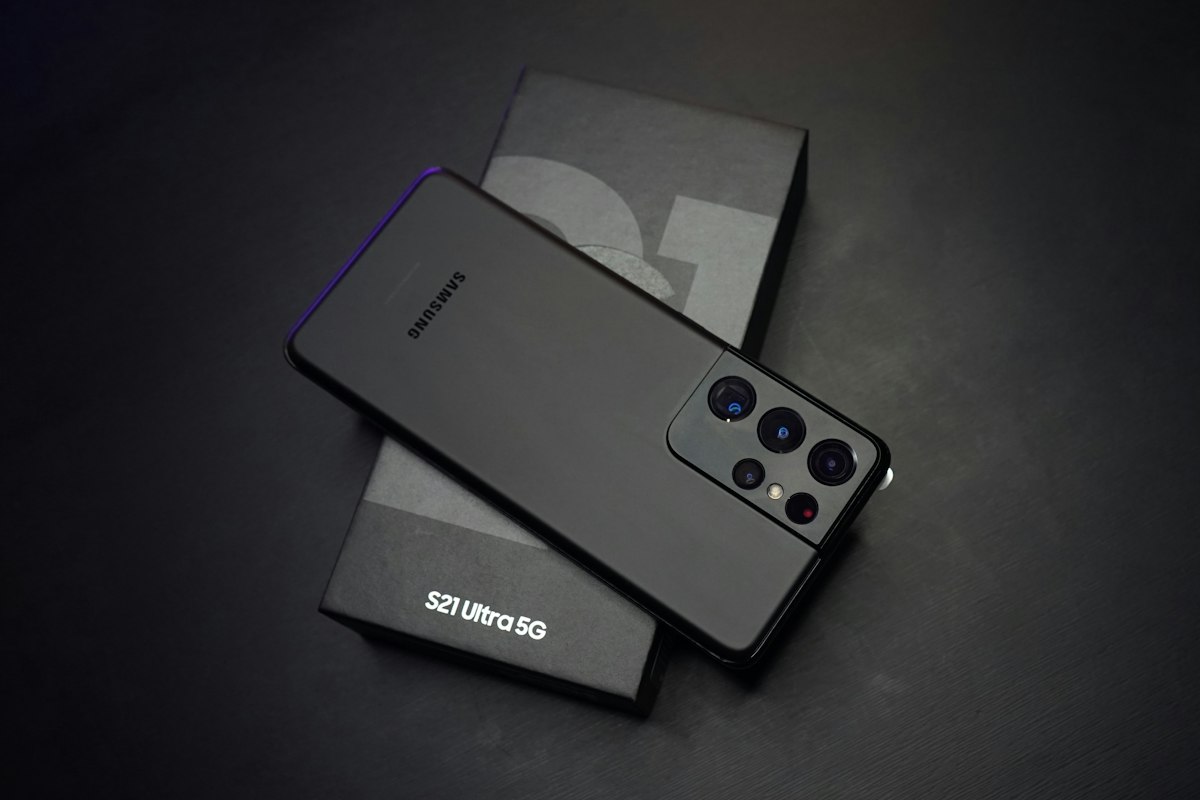
In a significant shift, South Korean tech giant Samsung is reportedly planning to launch its first fully in-house designed GPU by 2027. Known as the Exynos 2800, this chip is expected to power future Samsung smartphones, marking a departure from the company's reliance on external partners for mobile graphics.
From Partner GPUs to Proprietary AI Engines
Until now, Samsung has been using GPUs based on partners' technology, such as AMD for the upcoming Exynos 2600. The Exynos 2800, however, will be a significant departure, as it will feature a graphics unit built on Samsung's own architecture. This move places Samsung in an elite group of companies capable of designing their own graphics hardware.
The AI Landscape and Samsung's Strategic Move
The timing of this move is strategic, given the growing importance of AI. GPUs are no longer just for gaming or image processing; they are the engines driving on-device AI. From generating images and enhancing videos in real-time to running complex language models, a phone's GPU plays a crucial role. By designing its own GPU, Samsung aims to optimize AI features for its devices, potentially improving battery life, reducing overheating, and enhancing overall performance.
Implications for the North East Region and India
The development of in-house GPU technology could have significant implications for the tech industry in North East India and the broader Indian context. With improved AI capabilities, Samsung devices could offer enhanced user experiences, potentially boosting the company's market share in India. Moreover, if Samsung successfully brings this technology to various devices beyond smartphones, it could stimulate the growth of related industries in the region.
Looking Ahead: Samsung's AI Chip Dominance
Samsung's ambition does not stop at smartphones. The company aims to apply this proprietary GPU technology to a wide range of devices, including smart glasses, self-driving cars, and humanoid robots. To ensure the project's success, Samsung has been aggressively poaching top talent from competitors. If the Exynos 2800 materializes in 2027, Samsung could establish itself as a dominant player in the AI chip market, controlling its own silicon destiny.