WEBDEV
Analysis: The Future of Backend Engineering: Predictions for the Next Decade
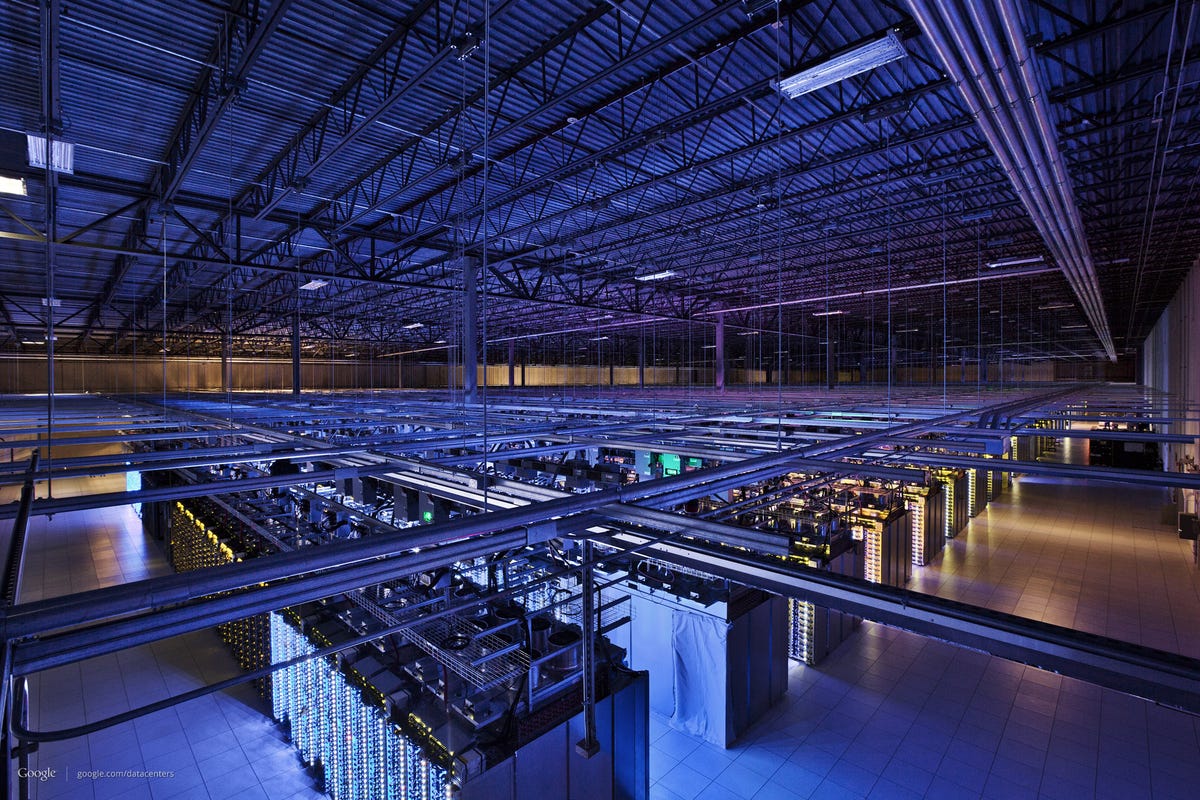 Image: Stock - Server
The Future of Backend Engineering: A Decade of Reinvention Introduction Backend engineering is entering one of the most transformative periods in its history. Once defined primarily by server logic, database queries, and API design, the discipline is now being reshaped by global-scale digital demands, AI driven automation, and the decentralization of computing power. Over the next decade, backend systems will evolve from static, server bound architectures into intelligent, distributed ecosystems capable of real time decision making and self optimization. This shift is not theoretical. It is already visible in enterprise adoption patterns, cloud native tooling, and the explosive growth of data intensive applications. As organizations across Europe, North America, and Asia accelerate digital modernization, backend engineering will become a strategic differentiator impacting everything from regional tech employment to national infrastructure resilience. Main Analysis 1. AI Integrated Backends Become the Norm Artificial intelligence is no longer an optional enhancement; it is becoming a foundational layer of backend architecture. Gartner has projected that by 2025, roughly 70% of enterprises will embed AI into operational workflows, particularly in observability, anomaly detection, and automated scaling. This trend is already visible in platforms such as Datadog, New Relic, and Dynatrace, which use machine learning to reduce incident resolution times by up to 40%. Over the next decade, AI will expand beyond monitoring into: Predictive resource allocation, where systems forecast traffic surges and pre provision compute resources. Automated code remediation, with AI tools identifying and patching vulnerabilities before deployment. Intelligent API orchestration, dynamically routing requests based on latency, cost, or user behavior. For regions like Lombardy home to Italy s fastest growing digital services sector AI driven backend automation could significantly reduce operational overhead for mid sized enterprises, enabling them to compete with global cloud native companies. 2. Edge Computing Redefines System Architecture The rise of IoT, autonomous vehicles, and smart manufacturing is pushing computation closer to the user. According to IDC, global spending on edge computing is expected to surpass $317 billion by 2026, more than doubling from 2022 levels. This shift will fundamentally alter backend engineering: Microservices will extend to the edge, enabling low latency processing for applications like telemedicine or industrial robotics. Data pipelines will become hybrid, blending on device inference with cloud based aggregation. Regional infrastructure will matter more, as latency sensitive applications depend on local data centers and 5G networks. Northern Italy, with its concentration of manufacturing and logistics hubs, is poised to benefit from edge enabled automation. Factories in Milan, Brescia, and Bergamo are already adopting sensor driven systems that require millisecond level responsiveness something only edge optimized backends can deliver. 3. The Rise of Real Time Data Ecosystems Backend systems are shifting from batch based processing to continuous data streaming. Apache Kafka, Redpanda, and Pulsar have become essential tools for companies managing high velocity data. Confluent reported that more than 80% of Fortune 100 companies now rely on Kafka for mission critical workloads. In the next decade, real time backends will power: Fraud detection systems capable of analyzing thousands of transactions per second. Live personalization engines for e commerce and media platforms. Smart city infrastructure, including traffic optimization and energy grid balancing. European municipalities are already experimenting with real time data orchestration. Milan s smart mobility initiatives, for example, use continuous sensor data to adjust traffic flows, requiring backend systems that can process millions of events daily. 4. Serverless and Event Driven Architectures Dominate Serverless computing is experiencing rapid adoption due to its cost efficiency and scalability. AWS Lambda, Google Cloud Functions, and Azure Functions have grown by double digits annually, with AWS reporting trillions of Lambda invocations per month. Over the next decade: Event driven design will become the default, reducing infrastructure management burdens. Cold start latency will shrink, making serverless viable for more real time applications. Regional cloud providers will emerge, offering localized serverless platforms to comply with data sovereignty laws. In the EU, where GDPR and national data regulations shape infrastructure decisions, localized serverless platforms will play a crucial role. Italy s push for sovereign cloud initiatives will likely accelerate this trend. 5. Backend Security Becomes Hyper Automated With cyberattacks increasing by 38% globally in 2022 (according to Check Point Research), backend security is shifting toward automation and zero trust principles. Over the next decade: Continuous security scanning will be embedded directly into CI/CD pipelines. AI driven threat detection will identify anomalies in real time. Confidential computing will protect data even during processing. Regions with strong manufacturing and financial sectors such as Lombardy will face heightened pressure to adopt automated security frameworks to protect sensitive industrial and financial data. Examples of Emerging Applications Healthcare: Real time patient monitoring systems using edge processed vitals and cloud based analytics. Retail: AI driven inventory systems predicting stock shortages with 90% accuracy. Transportation: Backend systems coordinating autonomous vehicle fleets with sub 10 millisecond latency. Energy: Smart grid platforms balancing renewable energy inputs using predictive algorithms. These examples illustrate how backend engineering is becoming inseparable from national infrastructure and economic competitiveness. Conclusion The next decade will redefine backend engineering as a discipline that blends AI, distributed computing, real time data processing, and automated security. The backend engineer of 2035 will operate in a world where