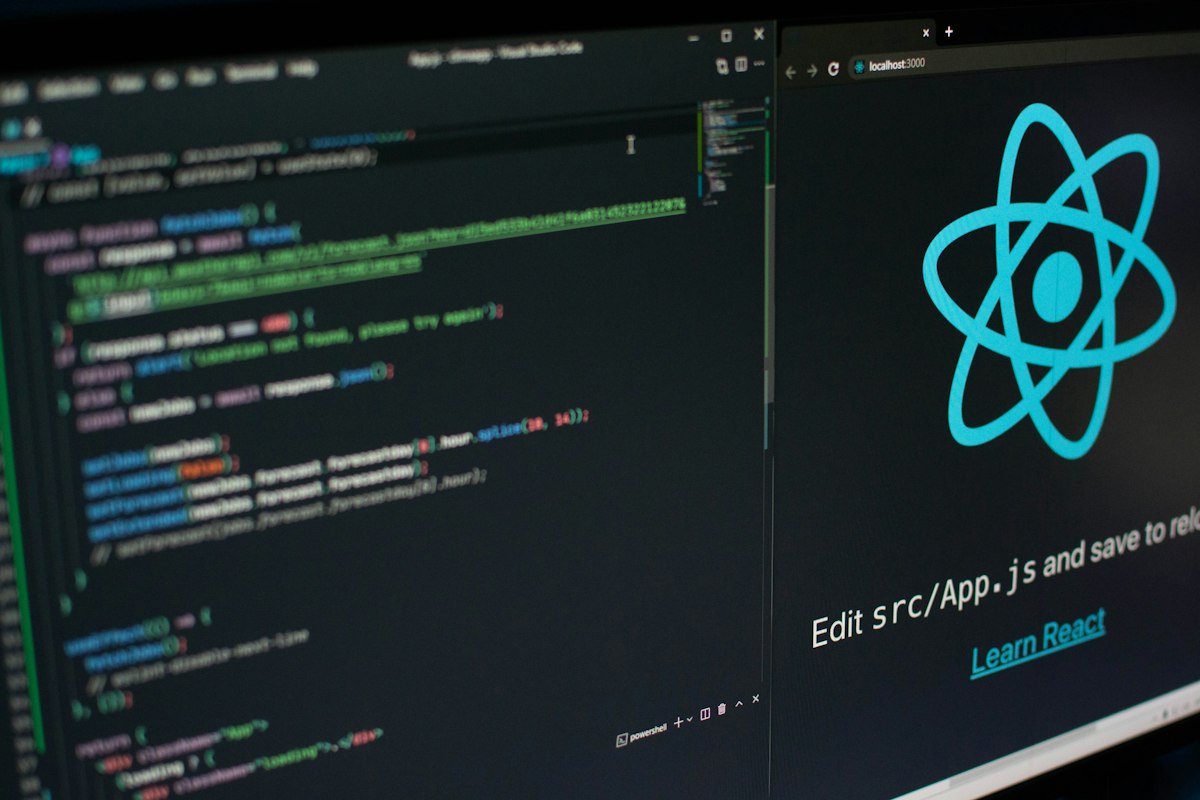
Mastering React: Insights for North East Developers
The Evolving React Landscape: Server Components, Suspense, and Concurrent Features
In the rapidly advancing world of React, the era of class components has given way to server-side magic and concurrency. These terms aren't just buzzwords; they're game-changers for performance and user experience (UX).
React Server Components (RSC)
RSCs allow developers to run components on the server, fetch data there, and stream to the client. This approach eliminates client-side waterfalls, resulting in faster load times and smaller bundles.
Suspense
Suspense simplifies handling async operations like data fetching with fallbacks. By wrapping components, React "suspends" rendering until the data is ready.
Interview Deep Dives and Career Tips
Interview Questions
- Explain RSCs vs. Client Components. (Answer: RSCs for static/data-heavy; client for interactive. Highlight zero-bundle size for RSCs.)
- How does Suspense improve UX in data-heavy apps? (Discuss waterfalls vs. concurrent loading; mention
useTransitionfor debouncing.) - What's concurrency in React 18? (Non-blocking renders, priority queues demo with a slow component not freezing the UI.)
Life Tip
Experiment with Next.js 13+ for RSCs. Building a small app can impress recruiters and showcase your proficiency with modern React stacks.
State Management Libraries: Beyond useState
While local state is sufficient for small apps, scaling up requires libraries for global, predictable state.
Comparisons
- Library: Boilerplate, Performance, Learning Curve, Best For
- Redux: High (actions, reducers) - Large teams, debuggable history
- Zustand: Low - Easy, medium apps, quick setup
- Recoil: Medium - Great for selectors, moderate apps with derived state
- MobX: Low - Reactive auto-optimizes, easy if OOP fan, dynamic, mutable state
Reflections and the Path Ahead
With this comprehensive guide, North East developers are now equipped to navigate the vast React ecosystem, from basics to advanced concepts. As you continue to build, break, and iterate, remember that the journey to becoming a React powerhouse is a marathon, not a sprint.